Small businesses in New York City face security challenges that traditional locks cannot handle on their own. Employee turnover, shared office spaces, after-hours deliveries, and multiple entry points create gaps that a standard key-and-lock setup was never built to manage.
An access control system in NYC gives business owners the ability to control who enters their space, when they enter, and which areas they can access. For small businesses operating on tight margins, this level of control is not a luxury. It is a practical necessity.
The Security Risks Small Businesses Face in NYC
Small businesses are targeted more often than large corporations when it comes to break-ins, internal theft, and unauthorized access. According to the U.S. Small Business Administration, small businesses account for over 40% of all property crimes in the country. Many of these incidents involve unauthorized entry through doors that were left unlocked or accessed with copied keys.
In NYC, where businesses often share buildings, floors, and even hallways with other tenants, controlling who walks through your door becomes harder with physical keys alone. Employees lose keys, former staff keep copies, and there is no record of who entered and when.
An access control system in NYC solves these problems by replacing physical keys with credentials that can be tracked, assigned, and revoked in seconds.
Also Read:
How Access Control Systems Work for Small Businesses
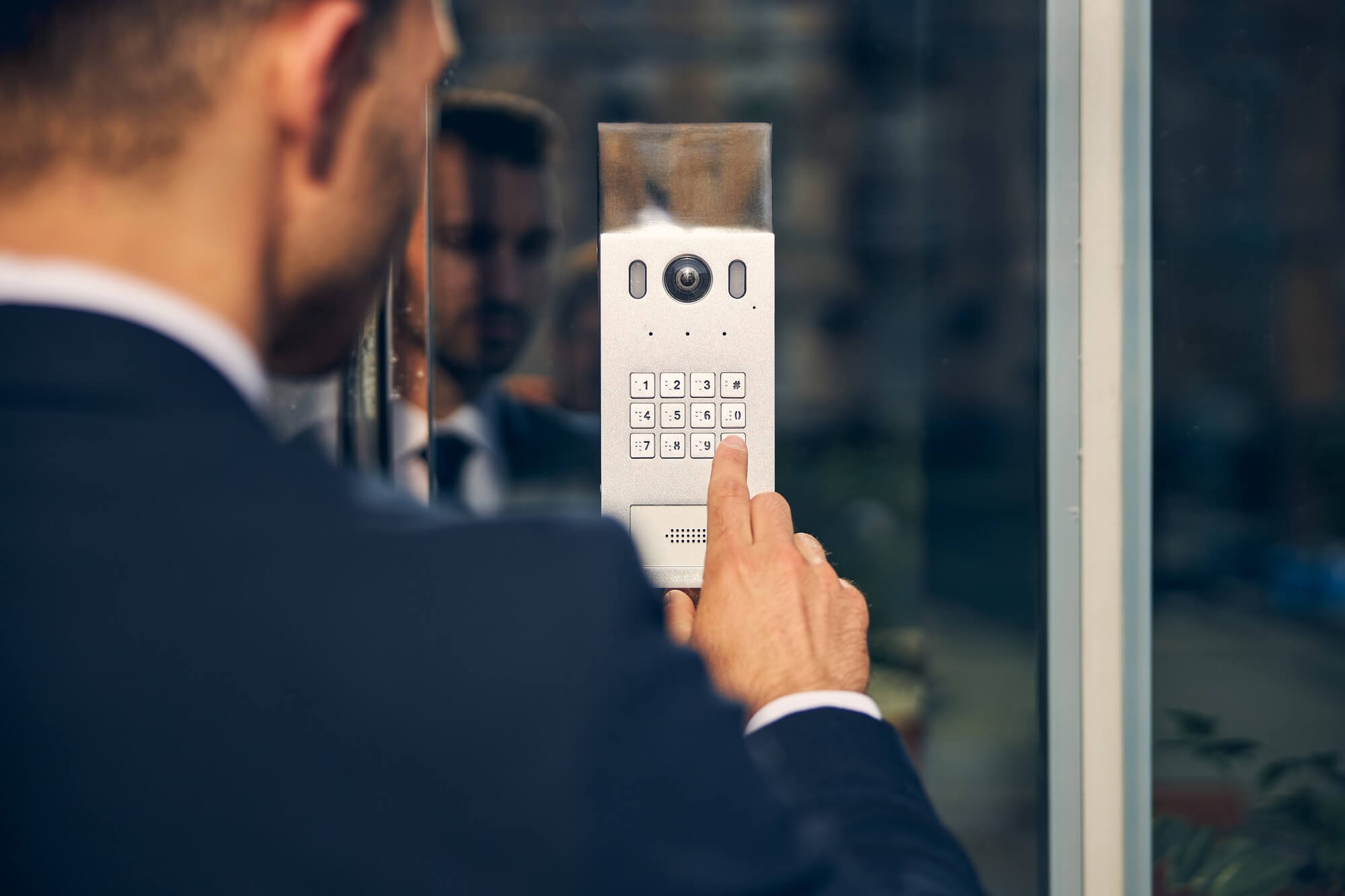
An access control system manages entry to your business through electronic credentials instead of traditional keys. Depending on the system, access is granted through key cards, fobs, PIN codes, mobile apps, or biometric scanners like fingerprint readers.
Key Components of an Access Control Setup
- Electronic locks on doors that release when a valid credential is presented
- A control panel that processes access requests and stores data
- Card readers or keypads mounted at entry points
- Management software that allows the business owner to add or remove users, set schedules, and view access logs
For a small retail store, a single-door system may be enough. For a business with a stockroom, an office area, and a main entrance, a multi-door setup allows different access levels for different employees.
Benefits of Access Control for Small Businesses in NYC
Installing an access control system in NYC provides more than just door security. It gives small business owners visibility and control over their space in ways that keys cannot match.
Track Who Enters and When
Every time someone uses their credentials to enter, the system logs the date, time, and identity. If inventory goes missing or an incident occurs after hours, you have a record. This audit trail protects both the business and the employees.
Control Employee Access by Role and Schedule
Not every employee needs access to every room or during every hour. Access control lets you assign permissions based on role. A part-time cashier does not need access to the supply room. A cleaning crew that comes at 9 PM does not need daytime access. You set the rules, and the system enforces them.
Remove Access Instantly When an Employee Leaves
With physical keys, losing an employee means either collecting the key and hoping no copies were made or rekeying the lock. With access control, you deactivate their credential from the system in seconds. No rekeying. No risk of unauthorized copies.
This alone saves small businesses hundreds of dollars per year in lock replacement and rekeying costs tied to employee turnover.
Integrate With Other Security Systems
Many access control systems connect with security cameras, alarm systems, and intercoms. When someone badges in at the front door, the camera records who it is. If someone attempts entry without credentials, the alarm triggers. This layered approach strengthens your overall security without requiring separate management for each system.
Types of Access Control Systems for NYC Small Businesses
The right system depends on your business size, number of entry points, and how many employees need access.
- Standalone systems work for single-door setups and are the most affordable option for small shops and offices
- Cloud-based systems allow remote management through a phone or laptop, which is useful for business owners who are not on-site every day
- Biometric systems use fingerprints or facial recognition and are suited for businesses that handle sensitive data or high-value inventory
- Keyless entry systems combine PIN codes and mobile access for businesses that want to eliminate physical credentials altogether
A commercial locksmith who handles access control can assess your space and recommend the setup that matches your needs and budget.
Read More:
What It Costs and Why It Pays for Itself
A basic single-door access control system starts at around $500 to $1,500 including hardware and installation. Multi-door systems for larger spaces range from $2,000 to $5,000. Cloud-based systems may include a monthly subscription for software access.
These numbers may seem high for a small business. But compare them to the cost of a break-in, stolen inventory, or an insurance claim from unauthorized access. The FBI’s Uniform Crime Reporting program reports that the average loss from a commercial burglary in the U.S. exceeds $2,500. For many small businesses, one incident costs more than the system itself.
Access control also reduces insurance premiums for many commercial properties, as insurers offer discounts for electronic security systems.
Alto Locksmith & Security Manhattan Installs Access Control Systems in NYC
At Alto Locksmith & Security Manhattan, the team installs and configures access control systems in NYC setups for small businesses across Manhattan. From single-door card readers to multi-zone systems with cloud management, the focus is on giving business owners full control over who enters their space.
A lost key or an unlocked door is all it takes for one incident to set your business back. Contact Alto Locksmith & Security Manhattan today and take control of your business security before a gap becomes a loss.