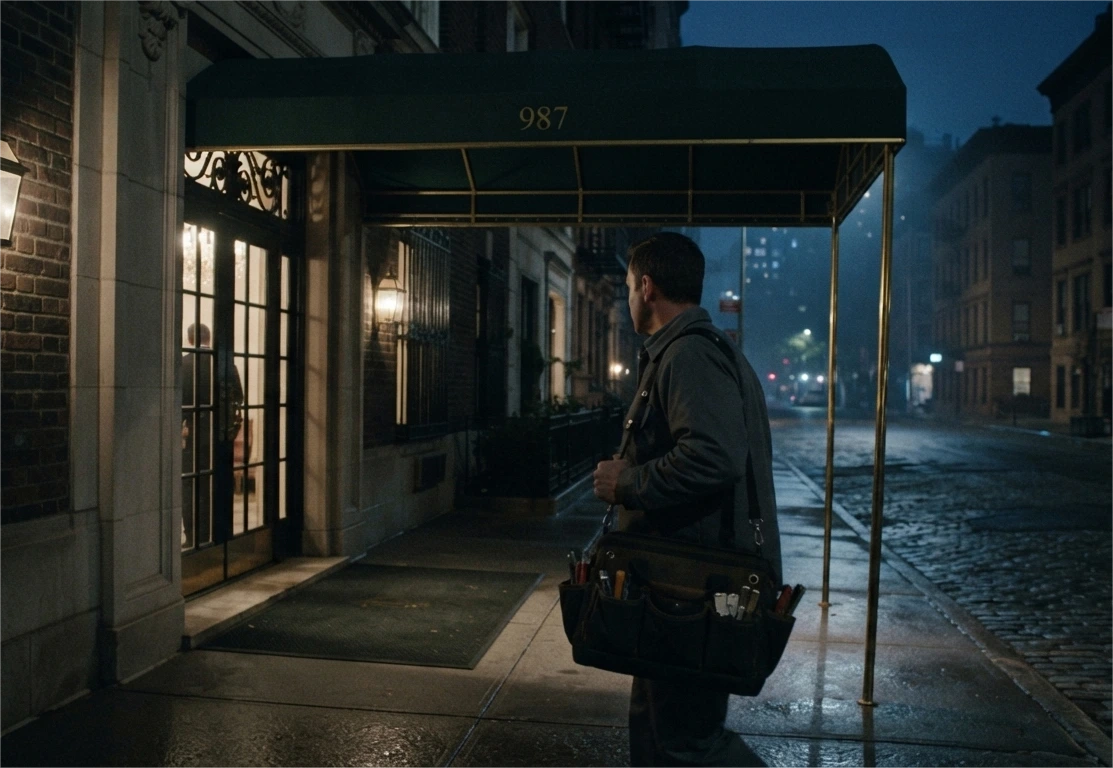
It is past midnight; you are standing in a quiet co-op hallway on East 78th Street, and your key will not turn. The doorman’s shift changed hours ago, the managing office is closed, and the one spare key is with a friend who stopped answering. This is the exact moment a 24-hour locksmith in the Upper East Side earns its keep. This guide walks you through how fast help arrives, how building access works, and what the bill should look like when the clock reads 2 AM.
Fast Locksmith Response for Upper East Side Lockouts
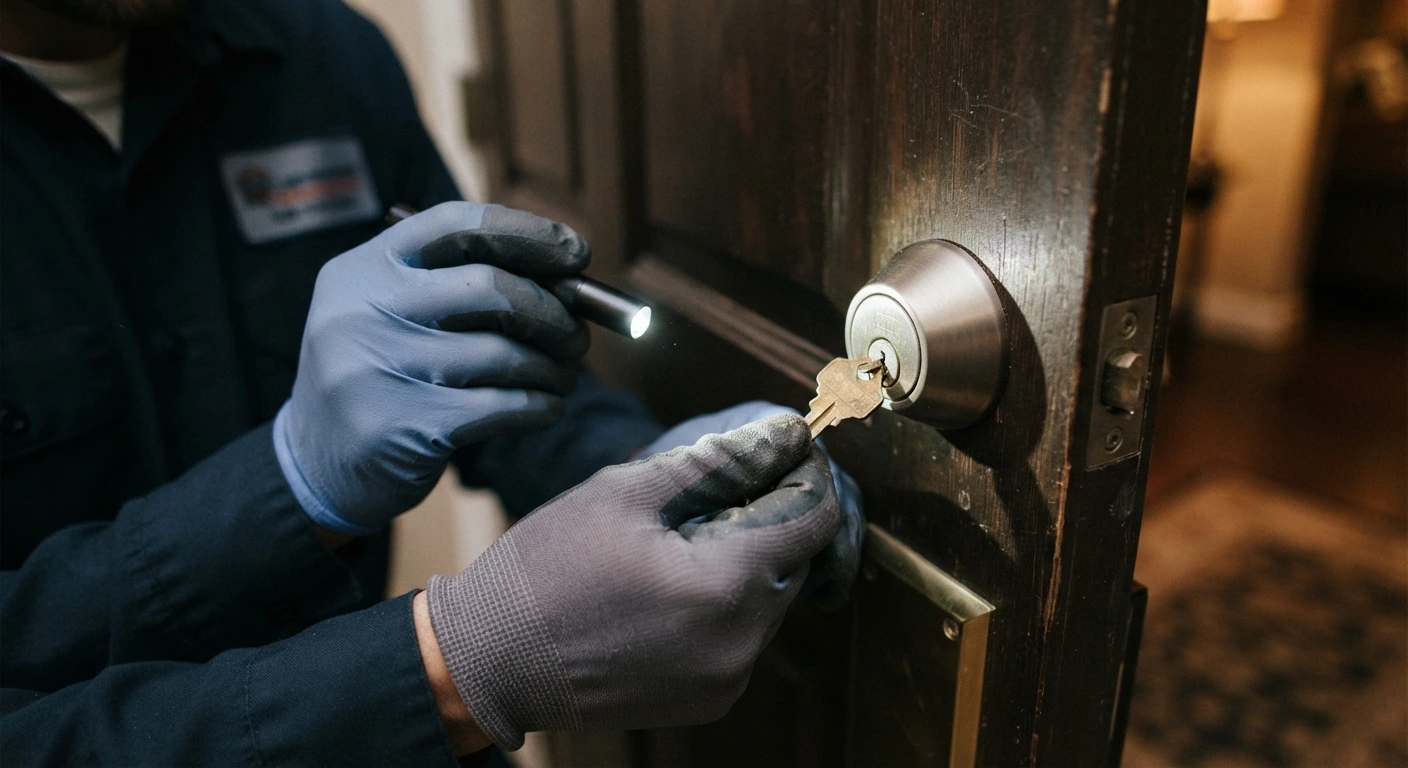
Speed is the whole point of an after-hours call, and the Upper East Side has one thing working in your favor. The neighborhood sits dense and central, so a mobile technician on standby covers the grid from the 60s to the 90s without a long haul. Most lockout calls across Manhattan reach a customer within minutes, and a technician tends to arrive at the door in the 30- to 45-minute range once the address and lock are confirmed. A 24-hour locksmith in the Upper East Side works from a van stocked for the job, so the tools that open your door travel with the person, not from a shop across town.
The clock moves the moment you call. A dispatcher confirms the building, the floor, the lock type, and what went wrong, then sends the closest technician with the right kit. That short conversation saves time on arrival, because the person shows up ready for a pre-war mortise lock or a modern smart deadbolt rather than guessing at the door.
What Can Add Minutes to Your ETA
A few things stretch the wait, and knowing them helps you set expectations on a bad night:
- Cross-town traffic during a weekday rush or a snow event slows every van, even a close one.
- A high-floor walk-up with no working elevator adds a climb once the technician is inside the building.
- A building that needs the doorman or super to clear a visitor first can hold the technician in the lobby until access is granted.
Even with these, a UES call rarely turns into a long night. The density that makes parking hard also keeps a technician close, which is the trade every New Yorker knows well.
What Upper East Side Residents Should Know Before Calling a Locksmith
This is where the Upper East Side stands apart from a suburb, and where a random cheap ad fails you. Most UES homes sit inside co-op and condo buildings with doormen, managing agents, and house rules, so opening the apartment door is only half the task. The technician has to get past the front desk first, and a serious locksmith knows how that works.
A doorman at a building will ask who the visitor is and which unit they are here for. When you place the call yourself and let the desk know a technician is on the way, the lobby clears them without fuss. In a building with no overnight doorman, the super or the managing agent sometimes holds access to common areas, so a quick heads-up to the building’s emergency line keeps the path open. A licensed technician also protects you and the building, since a co-op board cares who works on its doors, and a licensed job leaves a clean record.
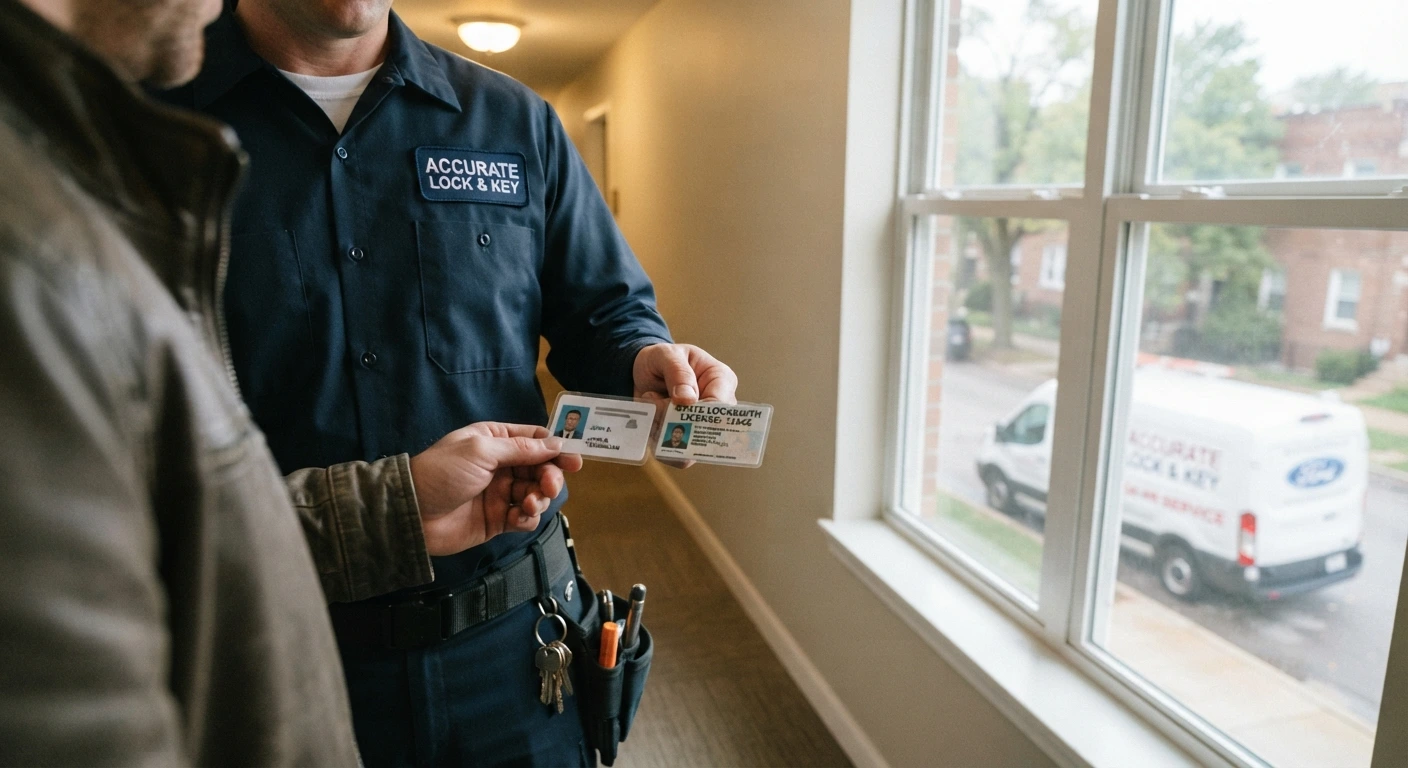
There is one rule no honest locksmith skips. Before a door opens, you show that the apartment is yours. This step stops a stranger from talking their way into someone’s home, and it is the reason a real company asks for it. An apartment lockout on the UES moves fast once you can prove you live there, so keep the following within reach.
What Proof Do You Need to Show for Co-op Access
Proof of residency sounds heavy, yet it is simple in practice. Any of these usually settles it:
- A photo ID with the building address, or a photo ID plus a piece of mail sent to the unit.
- A lease, a co-op share document, or a maintenance statement with your name and apartment.
- A doorman, super, or managing agent who confirms you as the resident of that unit.
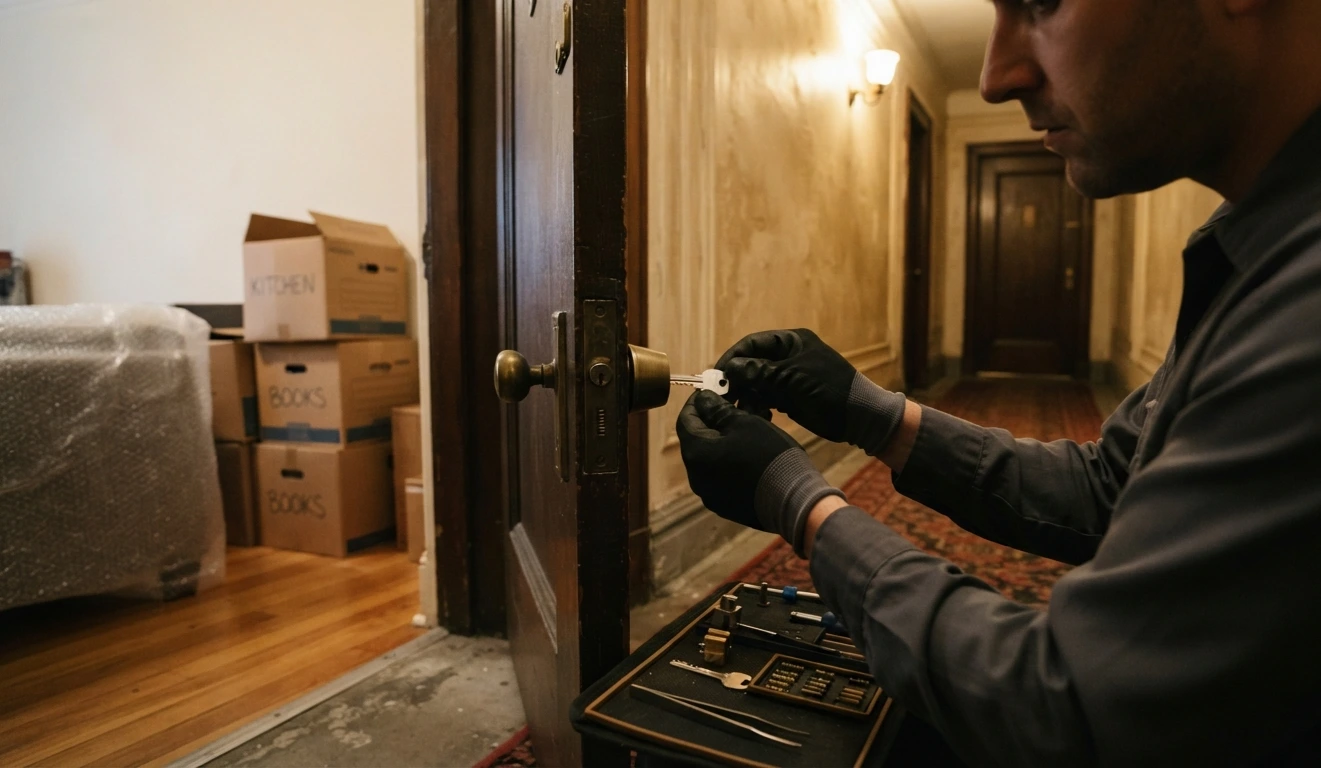
Older UES buildings bring a second wrinkle. Pre-war doors often carry mortise locks and stacked deadbolts that a general handyman fumbles, and forcing one damages a heavy vintage door that costs a fortune to replace. A technician who works these buildings opens the lock by picking or decoding first, so the door and the frame stay whole.
What After-Hours Locksmith Pricing Looks Like on the Upper East Side
Money is the part that makes people nervous at 2 AM, and for good reason. The locksmith trade has a scam corner, where an online ad promises a rock-bottom price, then the person at the door demands triple and drills a lock that never needed it. A trustworthy 24-hour locksmith in the Upper East Side quotes the full price on the phone before anyone drives out, and holds that number when they arrive.
Here is a realistic guide to what common UES jobs run, so you can judge a quote against something fair:
- A standard lockout falls around $85 to $150, depending on the lock and the hour.
- Lock rekeying runs about $50 to $150 per lock, which resets who holds working keys.
- High-security and smart locks start near $150 per lock and climb with the hardware.
- A car lockout or a new car key lands around $75 to $200 based on the vehicle.
One point matters more than any single number. A fair company holds one rate around the clock, with no surprise surcharge tacked on for a night, a weekend, or a holiday. When a caller hears a low figure on the phone and a higher one at the door, that gap is the warning, not the lock. A lock rekeying after a roommate moves out or a set of keys goes missing is a planned job, so ask for the full price and the parts included before the work starts.
Should You Pay More for a Midnight Call?
You will find that a reputable locksmith does not punish you for the hour. The rate for a 2 AM lockout matches the rate for a 2 PM one, because the flat pricing is the promise that keeps customers calling back. If a quote balloons after dark, treat it as a reason to hang up and dial a licensed company instead. The saved money is never worth a drilled lock or a padded invoice.
The Lockouts We Answer Most on the Upper East Side
The calls fall into a few familiar shapes, and each one has a clean fix that does not wreck your door. A 24-hour locksmith in the Upper East Side hears these most:
- Locked out of a co-op or condo after a door swung shut with the keys still inside.
- Half a key left in the hand after the old one snapped inside a stiff pre-war lock.
- A single set of keys was lost on the way home, with no spare anywhere in the apartment.
- A tenant or roommate moved out, and the unit needs new keys before the next person arrives.
- A storefront or office on Madison or Lexington that will not lock at closing, or will not open at dawn.
- A door forced during an overnight break-in that no longer shuts or secures.
- A smart lock or keypad that glitched and shut a resident or staff member out of their own space.
Each of these has a same-night answer. A lockout opens with picks or a decode, a snapped key comes out with an extractor and gets recut, and a forced door gets secured first, then fitted with a stronger lock so the next attempt meets a harder target. Business owners on the UES lean on the same overnight call to reopen before the first customer, since a shut storefront bleeds money by the hour.
Why a Licensed Locksmith Protects You After Dark
The person you let touch your locks at midnight has real power over your home and your safety, so the license behind them is not a formality. In New York City, a locksmith works under the rules of the Department of Consumer and Worker Protection, which calls for a background check and proof of skill before anyone earns the trade license. You can read the city’s own locksmith licensing requirements to see what a legitimate operator must meet.
That license carries weight for three reasons that matter at your door:
- A background-checked technician is someone a co-op board and a resident can trust inside the building.
- Insured work means you are covered if a job does not go as planned, rather than being left holding the loss.
- Non-destructive entry comes first, so a licensed technician treats drilling as a last resort, not an easy upsell.
The scam operators skip all of this. They run no license, drill locks that pick open in a minute, and vanish before you notice the damage. Choosing a licensed company is the difference between a clean fix and a repair bill that dwarfs the original lockout. On the Upper East Side, where doors are heavy, buildings are strict, and hardware is expensive, that difference lands hard.
When a Lockout Turns Into a Security Upgrade
A late-night call often reveals a bigger issue than the shut door. A lock that jams once tends to jam again, a key that snapped was already worn thin, and a break-in exposes a weak point someone found before you did. The overnight visit is a chance to close that gap while the technician is already there.
Common upgrades that grow out of an emergency call include swapping a tired builder-grade deadbolt for a pick-resistant high-security lock, rekeying every door to one fresh key after a move, or moving a doorman-building apartment to a smart lock so a lost key never strands you again. None of these forces you into a hard sell. A straight locksmith lays out the option, quotes it plainly, and lets you decide whether to handle it that night or book it for daylight. The goal is a door that stops giving you trouble, not a longer invoice.
Locked Out on the Upper East Side? Get a Technician Moving Now
Every minute you stand in a cold hallway or outside a dark storefront is a minute the problem grows, and a rushed choice from a random ad can turn one bad night into a drilled lock and a padded bill. The fix is one honest call to a licensed team that quotes the price up front, reaches you fast, and opens the door without wrecking it.
We are Alto Locksmith & Security, a licensed and insured 24-hour team, serving the Upper East Side for over a decade with a 4.9 rating across more than 360 reviews. Our technicians handle co-op and condo lockouts, pre-war mortise locks, rekeys, high-security and smart lock work, storefront and office doors, and car lockouts, with one flat rate that holds through nights, weekends, and holidays. From the first call to the open door, you know the price and the person on the way.
Waiting in that hallway only makes the night longer and the risk higher. Reach out to us now, tell us your building and your lock, and a technician can be at your Upper East Side door, often within 30 to 45 minutes, to get you back inside where you belong.