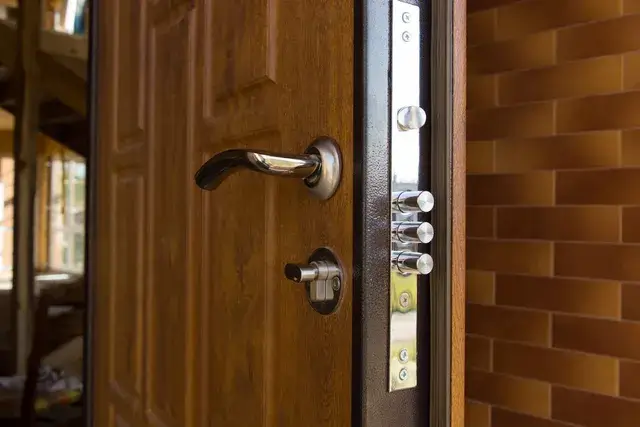
That lock on your office door right now? There’s a good chance it’s not doing much to stop anyone who really wants to get in.
Most business owners take locks for granted for no good reason until something goes wrong. Maybe someone breaks in. Maybe a key goes missing, and you’re left wondering who still has a copy. Or maybe you just read about another retail theft in the neighborhood, and now you have lost confidence in that old, deadbolt serving your commercial property for years.
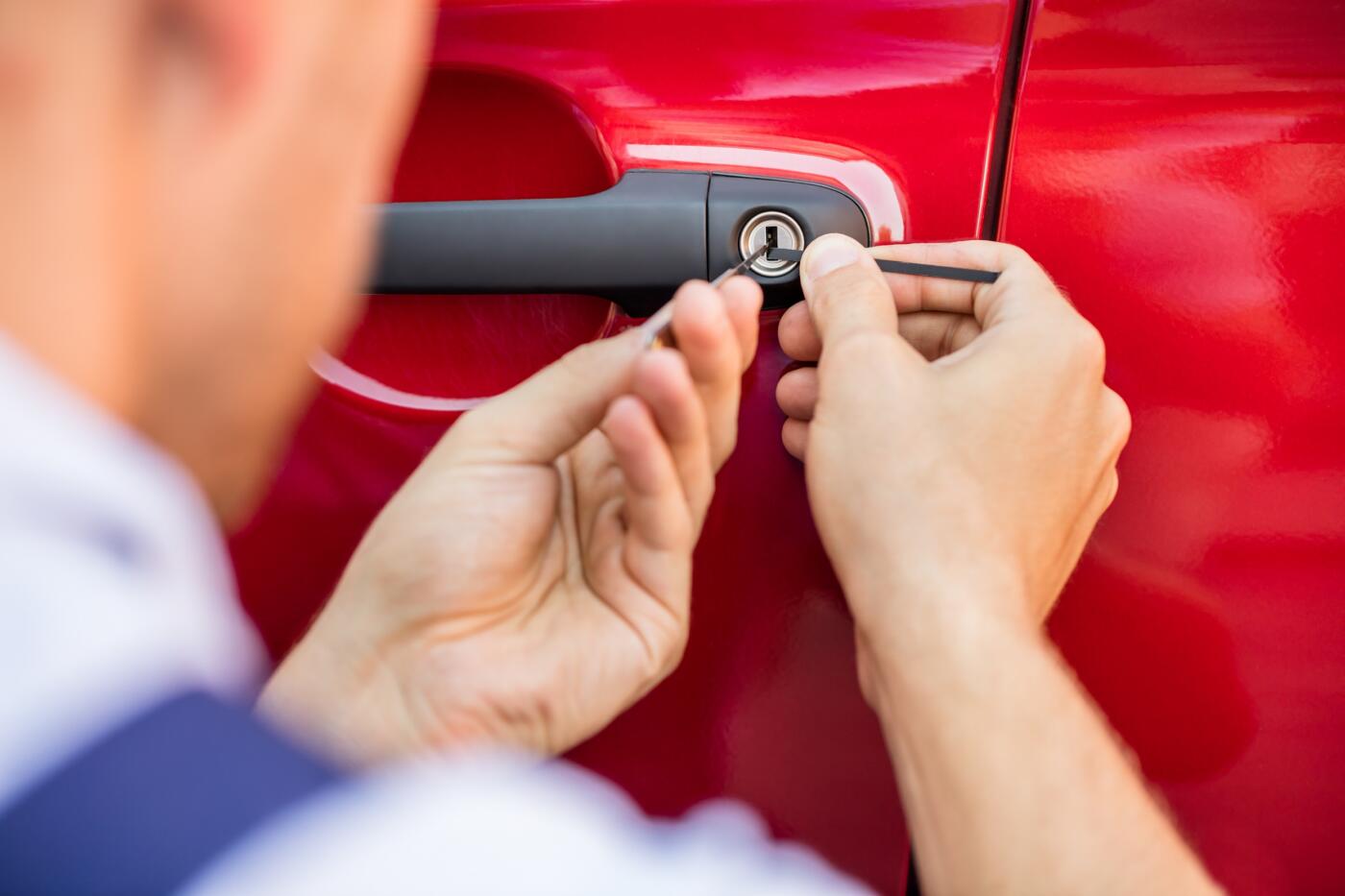
Standard locks from the hardware store are basically suggestions. A determined person with the right tools can get through most of them in under a minute. That’s not a scare tactic. That’s just reality.
But you shouldn’t feel scared because high security locks in Manhattan have come a long way. And once you understand what makes a lock “high-security,” you can make smart choices that genuinely protect your business, your inventory, and your people.
What Is a High-Security Lock?
You might be thinking, what separates a high-security lock from the one you picked up at the hardware store last year?
It comes down to three things: how hard it is to pick, how well it stands up to physical attacks, and who can copy the keys.
A high-security lock is built to resist picking. The internal mechanisms are designed so that standard lock picks just don’t work. They’re also drill-resistant, which means someone can’t just power through the cylinder with a cordless drill. These locks also have restricted key systems. That means nobody can walk into a key shop and make a copy. You need authorization from the manufacturer or a certified locksmith.
Brands like Medeco, Mul-T-Lock, and Abloy have built their reputations on these features. When locksmiths talk about high-security locks, these are usually the names that come up first.
Now, the lock industry is changing fast. About 81% of locksmiths say electronic access control is going to reshape what they offer in the coming years. That includes smart locks, keypad systems, and biometric options. But even with all that new technology, the basics still matter.
- Pick resistance
- Drill resistance
- Key control
Those three things are still the foundation of any lock worth trusting with your business. The difference between a regular lock and a high-security one isn’t always obvious from the outside. They might look similar. But the engineering inside? That’s where the gap shows up. And it’s a gap that could mean the difference between a break-in attempt that fails and one that doesn’t.
Why Do Offices and Businesses Need High-Security Locks?
You’ve probably seen the HEADLINES.
“Smash-and-grab thefts”
“Retail crime spikes”
“Break-ins at small shops that were just trying to make it through another month”
And if you run a business in New York, you’ve felt it too. That little voice in the back of your head when you lock up at night. Did I check the back door? Is that lock even working right anymore?
Let’s look at the numbers for a second. The property crime rate in NYC sits around 1,954 incidents per 100,000 people. That’s not a small figure. And when you ask New Yorkers how they feel about it, 74% say they view crime as a “very serious” problem. Three out of four people. That’s not paranoia. That’s a shared experience.
Retail theft jumped 44% between 2021 and 2022. Things have stabilized a bit since then, and burglaries actually dropped 5.7% in 2024. But “better than last year” doesn’t mean the problem went away. It just means the worst of the spike has calmed down. Business owners are still dealing with the aftermath and the anxiety that comes with it.
New York State has about 2.2 million small businesses. That’s 99.8% of all businesses in the state. These aren’t big corporations with security teams and surveillance rooms. These are shops, restaurants, offices, and service businesses run by regular people. Together, they employ 4.1 million workers. That’s nearly half of everyone working in the state.
When a small business gets broken into, it’s not just about the stolen cash register or the damaged door. It’s the lost revenue while you’re closed for repairs. It’s the insurance headache. It’s the way your employees feel when they come back to work the next day. It’s the customers who heard about it and now wonder if your place is safe.
That’s why the commercial security market is growing so fast. The segment for business security upgrades is expanding at about 25% per year. Business owners aren’t waiting around anymore; they’re getting proactive. A high-security lock is your first line of defense. It’s the thing that buys you time, triggers the alarm, and often stops the attempt before it even gets started.
You’ve worked too hard to build what you have. Your business deserves a lock that works as hard as you do.
Read More:
What Are the Main Types of High-Security Locks for Commercial Use?
Not all high-security locks work the same way. The right choice depends on how your space operates, who needs access, and what level of protection you need.
Commercial customers make up about 35% of the locksmith market. Deadbolts still dominate, holding 45.7% of the smart lock market revenue. But lever handle systems are catching up fast, growing at 15.6% per year due to ADA compliance requirements.
What Is a High-Security Deadbolt Lock?
The deadbolt is the workhorse of commercial security. A solid metal bolt extends into the door frame, and unlike a spring latch, you can’t slip it with a credit card.
High-security deadbolts add drill-resistant housings, pick-proof pin systems, and hardened steel components. No batteries to die. No software to glitch. Solid construction that works day after day. For back doors and storage rooms, a high-security deadbolt is hard to beat.
What Is an Electronic Keypad Lock?
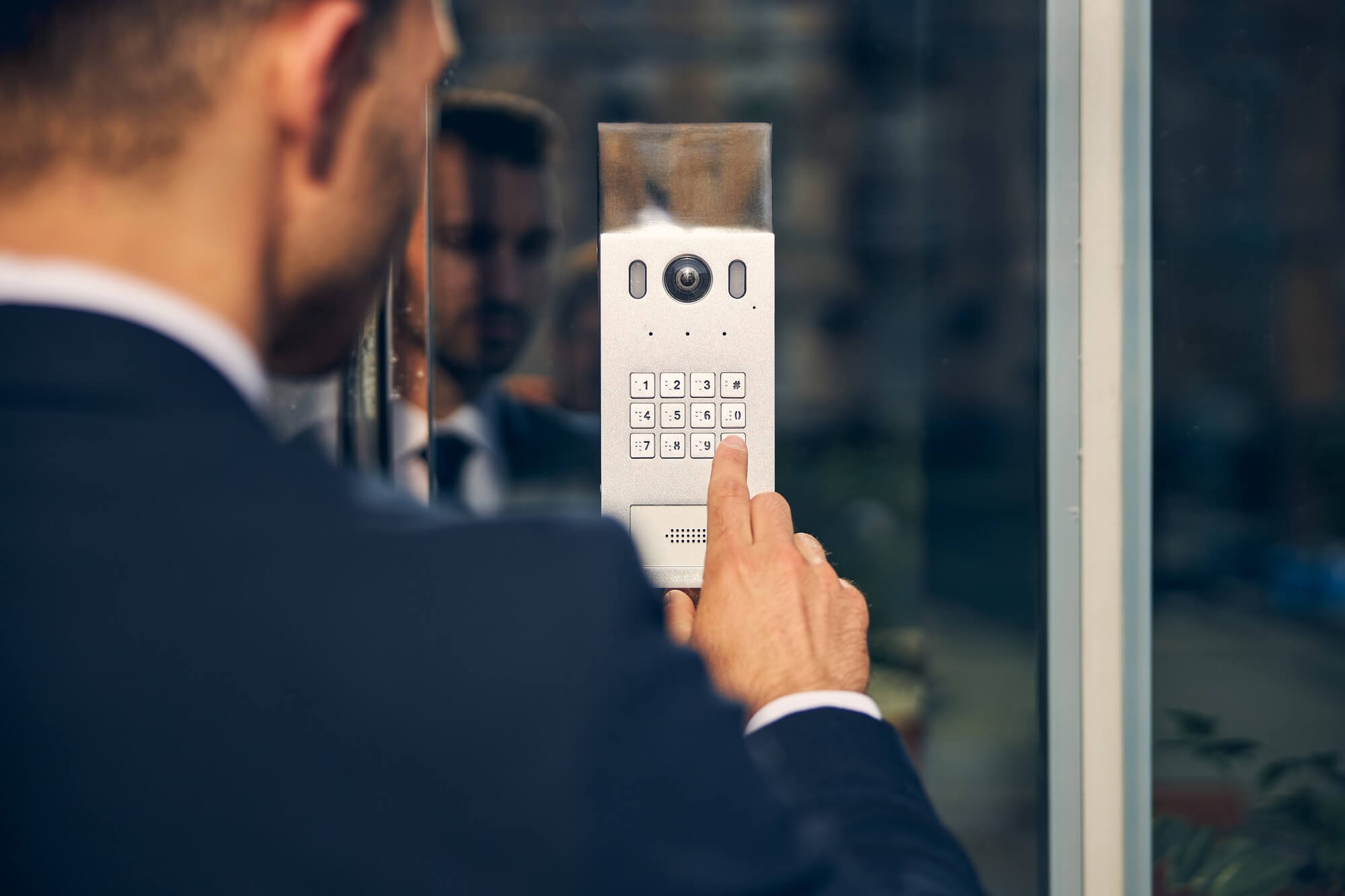
We have noticed multiple business owners track down a former employee to get their key back. Keypad locks solve that. Punch in a code instead of using a key. When someone leaves, just change the code.
This segment grabbed 42.7% of the smart lock market revenue in 2024. These locks are popular for businesses that give access to cleaning crews, maintenance workers, or delivery drivers. Hand out temporary codes that expire automatically.
What Is a Smart Lock for Businesses?
Smart locks let you lock and unlock doors from your phone, check activity logs, and integrate with cameras and alarms. For businesses with multiple locations, they offer control that wasn’t possible a few years ago.
The global smart lock market hit $2.77 billion in 2024 and should reach $8.14 billion by 2030. The US market alone sits at $887.6 million, growing at 16.1% annually. Bluetooth connectivity holds 62.3% of the market.
What Is a Biometric Lock?
Biometric locks use fingerprints or facial recognition. You can’t forget your fingerprint at home or lend it to someone else. This segment is growing at 17.7% per year. The big selling point is the audit trail. Every entry gets logged with a timestamp and identity. Perfect for server rooms, executive offices, or anywhere holding sensitive materials.
What Is an Access Control System Lock?
Access control systems manage who can enter which doors and when. Different employees get different access levels. The receptionist doesn’t need the same access as the IT director.
These systems integrate with property management software. Add or remove users from a dashboard. Set schedules so doors only unlock during business hours. For corporate offices with dozens of employees, access control is pretty much a requirement now.
What Is a Mortise Lock?
Mortise locks sit inside a pocket cut into the door. You see them in older office buildings and hotels. They’re built for heavy use and handle thousands of cycles without wearing out.
They also work with master key systems. A property manager carries one key for every door, while employees have keys for their specific spaces only. Installation requires a professional, but a quality mortise lock will outlast almost anything else.
What Features Should You Look for in a High-Security Office Lock?
Here are the essential features to evaluate:
Anti-Pick and Anti-Drill Ratings:
Anti-pick and anti-drill ratings measure a lock’s resistance to two of the most common forced entry techniques used by intruders. You should understand these ratings because they indicate how well your office lock will perform against skilled attackers.
High-security locks achieve pick resistance through specialized pin designs, including spool pins, serrated pins, and sidebar mechanisms that make manipulation extremely difficult. These features create multiple shear lines that must be aligned simultaneously, a task that defeats standard picking tools and techniques.
Drill resistance comes from hardened steel inserts, anti-drill pins, and reinforced housings that destroy drill bits before they can compromise the lock cylinder. Military-grade protection options incorporate tungsten carbide inserts and case-hardened steel components that provide maximum resistance against power tool attacks.
When evaluating anti-pick and anti-drill capabilities, look for locks that have been independently tested and rated by organizations like UL (Underwriters Laboratories) or that carry certifications from manufacturers known for high-security products such as Medeco, Mul-T-Lock, and Abloy.
What Is Key Control and Why Does It Matter?
Key control refers to a system of policies and physical restrictions that ensure only authorized personnel can possess or duplicate keys to your business. You should prioritize key control because it eliminates one of the most significant security vulnerabilities in commercial properties: unauthorized key copies circulating without your knowledge.
Restricted key systems use patented keyways that cannot be duplicated at standard hardware stores or key kiosks. High-security keys from manufacturers like Medeco and Mul-T-Lock require proper authorization, signature verification, and sometimes a security card before a locksmith can cut a duplicate. This creates an auditable chain of custody for every key in circulation.
Property managers overseeing 10 to 200 or more units benefit significantly from master key hierarchy systems. These configurations allow building staff to access common areas and individual units with a single master key while tenants retain keys that only open their specific doors. The hierarchy can include multiple levels-grand master, master, sub-master, and keys-organized to match your management structure and access requirements.
What Is ANSI/BHMA Security Grades?
ANSI/BHMA security grades are standardized ratings established by the American National Standards Institute and the Builders Hardware Manufacturers Association that classify locks based on durability, security level, and intended use. You can use these grades to quickly assess whether a lock meets commercial requirements.
|
Grade |
Security Level | Cycle Testing | Best Application |
|
Grade 1 |
Highest | 800,000+ cycles | Commercial buildings, high-traffic entrances, offices with valuable assets |
| Grade 2 | Medium | 400,000+ cycles |
Light commercial use, upscale residential, interior office doors |
| Grade 3 | Basic | 200,000+ cycles |
Residential properties only, not recommended for business use |
Commercial properties should use Grade 1 locks for maximum protection on all exterior doors and any interior doors securing sensitive areas. The 800,000-cycle rating means the lock has been tested to withstand heavy daily use for years without mechanical failure.
Grade 2 locks may be acceptable for interior office doors with moderate traffic, but they should never serve as primary security for business entrances. Grade 3 locks lack the durability and security features necessary for commercial applications and should be avoided entirely in office environments.
UL 437 Certification:
UL 437 certification is an independent security standard issued by Underwriters Laboratories that verifies a lock’s resistance to physical attack methods including picking, drilling, sawing, prying, and key bumping. You should look for this certification when your business needs to protect valuable assets, sensitive documents, or restricted areas.
The UL 437 testing protocol subjects locks to attack simulations using professional tools and techniques for specified time periods. To earn certification, a lock must resist these attacks without allowing entry. The standard also evaluates key control features, cylinder construction, and overall build quality.
Locks carrying UL 437 certification typically incorporate hardened steel components, anti-drill plates, pick-resistant pin configurations, and reinforced strike plates. This certification appears on products from premium manufacturers and represents a meaningful security investment above standard commercial-grade hardware.
How Important Is Bump Resistance?
Bump resistance is critically important because bump key attacks represent one of the easiest and most common methods for bypassing standard pin tumbler locks. You cannot consider a lock truly secure for commercial use unless it specifically addresses this vulnerability.
Bump keys are specially cut keys that, when inserted into a lock and struck with a tool, cause the pins to momentarily jump to the shear line and allow the cylinder to turn. Standard locks offer virtually no protection against this technique, and bump keys for common keyways are widely available online. Locks with UL 437 certification or those from high-security brands like Medeco, Mul-T-Lock, and Abloy have been designed and tested to resist bump key attacks.
What Access Logging Features Should Businesses Consider?
You should consider access logging features that provide visibility into who enters your business, when they enter, and which areas they access. With 33.2 million small businesses operating across the United States as of 2023, many are now adopting smart lock systems specifically for these audit trail capabilities.
Here are the key access logging features to evaluate:
- Timestamped entry records: Automatic logging of every unlock event with date and time information
- User identification: Individual credentials (codes, cards, or smartphone authentication) that identify which person accessed each door
- Failed attempt tracking: Records of unsuccessful entry attempts that may indicate security threats
- Real-time alerts: Instant notifications sent to managers when specific doors are accessed or when unusual activity occurs
- Historical reporting: Searchable databases of past access events for security investigations or compliance documentation
- After-hours monitoring: Special tracking and alerts for access outside normal business hours
- Integration with security systems: Compatibility with cameras, alarms, and building management software for unified security oversight
- Cloud backup: Secure off-site storage of access logs that cannot be deleted or tampered with locally
These features prove especially valuable for businesses with multiple employees, sensitive areas requiring restricted access, or compliance requirements for mandating access documentation. The ability to review exactly who was present at any given time strengthens both security and operational accountability.
What Are the Top High-Security Lock Brands for Businesses?
Selecting a high-security lock brand requires understanding each manufacturer’s strengths and specializations. Major industry players include ASSA ABLOY, Allegion, Schlage, Yale, and Kwikset, with premium options from Medeco, Mul-T-Lock, and Abloy commanding the high-security market.
Commercial buyers typically conduct research-intensive evaluations before purchasing, comparing features, warranty terms, and local service availability. Brand reputation matters significantly, businesses value manufacturers known for expertise, durability, and professional-grade construction.
How Do Top High-Security Lock Brands Compare?
|
Brand |
Key Technology | Best Application |
|
Medeco |
Restricted/patented keys, pick and drill resistant | High-security commercial entrances |
|
Mul-T-Lock |
Multi-layer key technology, telescopic pins | Master key systems, multi-tenant buildings |
| Abloy | Disc-detainer mechanism, Finnish engineering |
Institutional, government, maximum security |
| Schlage Primus | Patented side-bar, Matter-over-Thread smart integration |
Offices blending mechanical and smart systems |
| Kwikset SmartKey | User re-keyable without locksmith |
Budget-conscious small businesses |
Professional installation for smart lock systems typically costs $150 to $400 or more per lock, while standard lock rekeying runs $50 to $150 per lock. Businesses investing in premium brands can expect average transaction values between $300 and $1,500 depending on the scope of installation.
Also Read:
How Do High-Security Locks Compare to Standard Commercial Locks?
|
Feature |
Standard Locks | High-Security Locks |
|
Pick Resistance |
Low | High |
|
Drill Resistance |
Low | High |
|
Key Control |
None | Restricted |
| ANSI Grade | 2-3 |
1 |
| Remote Access | No |
Available |
| Audit Trail | No |
Available |
| Price Range | $50-$150 |
$150-$800 |
Standard hardware store locks offer minimal protection against determined intruders. High-security options meet ANSI/BHMA Grade 1 standards with key control systems preventing unauthorized duplication. The higher initial investment is offset by fewer security incidents and reduced long-term costs.
Frequently Asked Questions
Can High-Security Locks Be Rekeyed?
Yes, rekeying is a cost-effective alternative to full lock replacement. The process changes internal pins so old keys no longer work while keeping existing hardware. Property managers frequently rekey between tenant move-ins to maintain security affordably.
Are Smart Locks as Secure as Traditional High-Security Locks?
Modern smart locks combine electronic convenience with physical security features. Quality models include hardened construction and anti-pick mechanisms alongside Bluetooth, Wi-Fi, or Z-Wave connectivity. Biometric options add fingerprint authentication for enhanced protection.
Do High-Security Locks Work with Master Key Systems?
Yes, high-security brands like Medeco and Mul-T-Lock offer full master key compatibility. These systems enable different access levels—employees access designated areas while management holds keys opening multiple doors throughout the property.
Are High-Security Locks Insurance-Approved?
Many commercial policies require specific security standards. UL-listed and ANSI Grade 1-rated locks typically meet these requirements. A professional security consultation identifies which options satisfy your insurer and may reduce premiums.
Protect Your Business Today with Our High Security Locks
Your office deserves more than a hardware store lock. At Alto Locksmith & Security, we’ve helped hundreds of Manhattan businesses upgrade to high-security systems that work great!
Get a free security assessment, we’ll evaluate your current locks and recommend the right solution for your space and budget.
Call or Schedule Online Licensed & insured. Same-day service available across NYC.