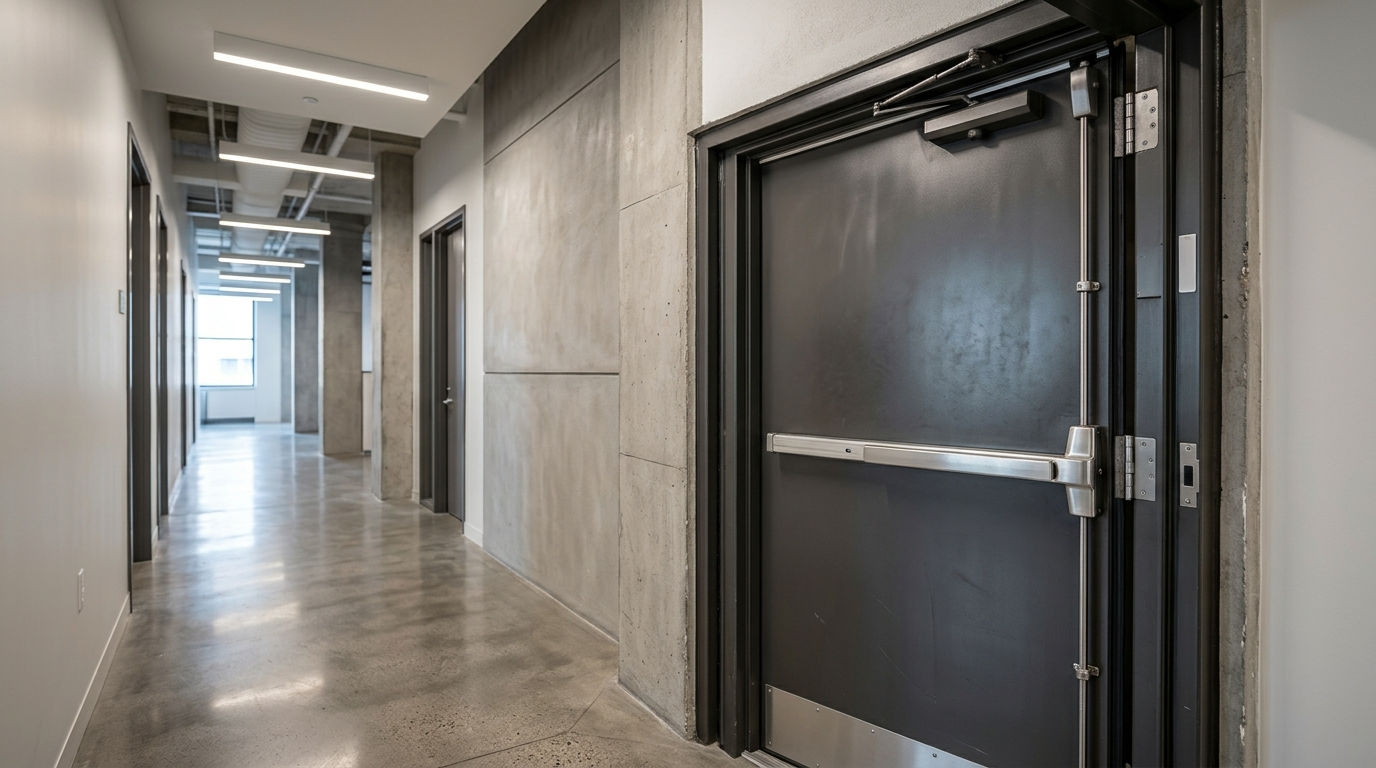


NYC Compliance & Construction | FDNY Fire Doors
Fix Fire Door Violations in NYC Before the Deadline
A fire door that won’t close on its own or latch properly is one of the most common violations in NYC buildings, and it comes with a short deadline. Whether the notice came from HPD or the FDNY, the clock starts the day it arrives, and an unrepaired door can bring repeat inspections, penalties, and city repair charges. Alto Locksmith & Security repairs, replaces, and adjusts the hardware that keeps fire doors working, from closers and latches to panic bars and exit devices. We fix the door, test it, and give you the itemized paperwork you need to certify the correction.
- Licensed & Insured
- COI on Request
- 24/7 Emergency Service
- All Five Boroughs
What Our FDNY & HPD Inspectors Check on Every Fire Door
A fire-rated door only protects a building when every part of it does its job. Most of these checks mirror the self-closing door test HPD tells owners to perform, which is exactly how inspectors judge a door on the spot.
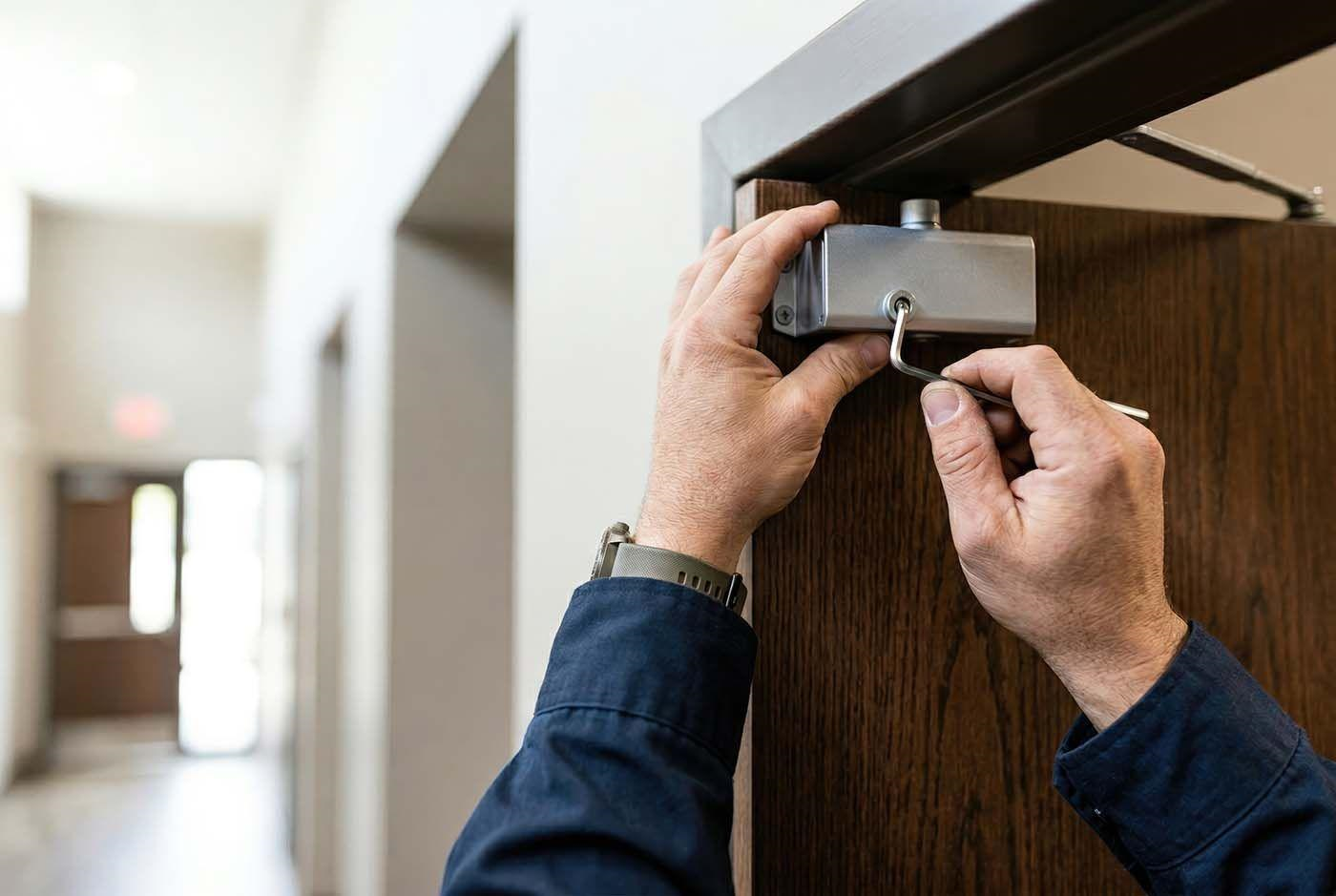
The NYC Fire Door Rules & Laws Building Owners Need to Know
Two city agencies and one national standard shape most fire door rules in New York City.
HPD and the Self-Closing Door Law
In residential buildings, apartment doors and public hallway doors must swing closed and latch by themselves. When an inspector finds a door that won’t self-close, seal, or latch, HPD issues a Class C immediately hazardous violation. The owner has 14 days to correct it and must certify the correction, after which HPD reinspects. Doors left unrepaired can lead to emergency repair charges and civil penalties, and under Local Law 71 of 2022, HPD proactively inspects every self-closing door in 300 apartment buildings each year.
You can read further details on HPD’s self-closing door page.
The FDNY and the NYC Fire Code
The NYC Fire Code requires fire doors to be kept in good working order following NFPA 80, never blocked, and never modified. When the FDNY issues a summons, it includes an order to correct the condition and file a notarized Certificate of Correction with proof such as bills and receipts.
First offenders who correct the door and certify on time are excused from the OATH hearing, with no penalty imposed, according to the FDNY Certificate of Correction form.
Annual Fire Door Inspection
NFPA 80, the standard the Fire Code follows for fire door maintenance, calls for every fire door assembly to be inspected and tested at least once a year. A regular fire door inspection catches worn closers, failing latches, and missing labels before a city inspector does.
Egress Door Compliance
Exit doors carry their own rules. A door on the way out of a building or apartment has to open from the inside without a key, and electric locks on exit routes need to release when the power fails. Double-cylinder deadbolts on exit doors are one of the most common problems found during inspections.
Common FDNY Door Violations in NYC We Fix
Most fire door violations come down to a short list of hardware problems, and each one has a clear fix.
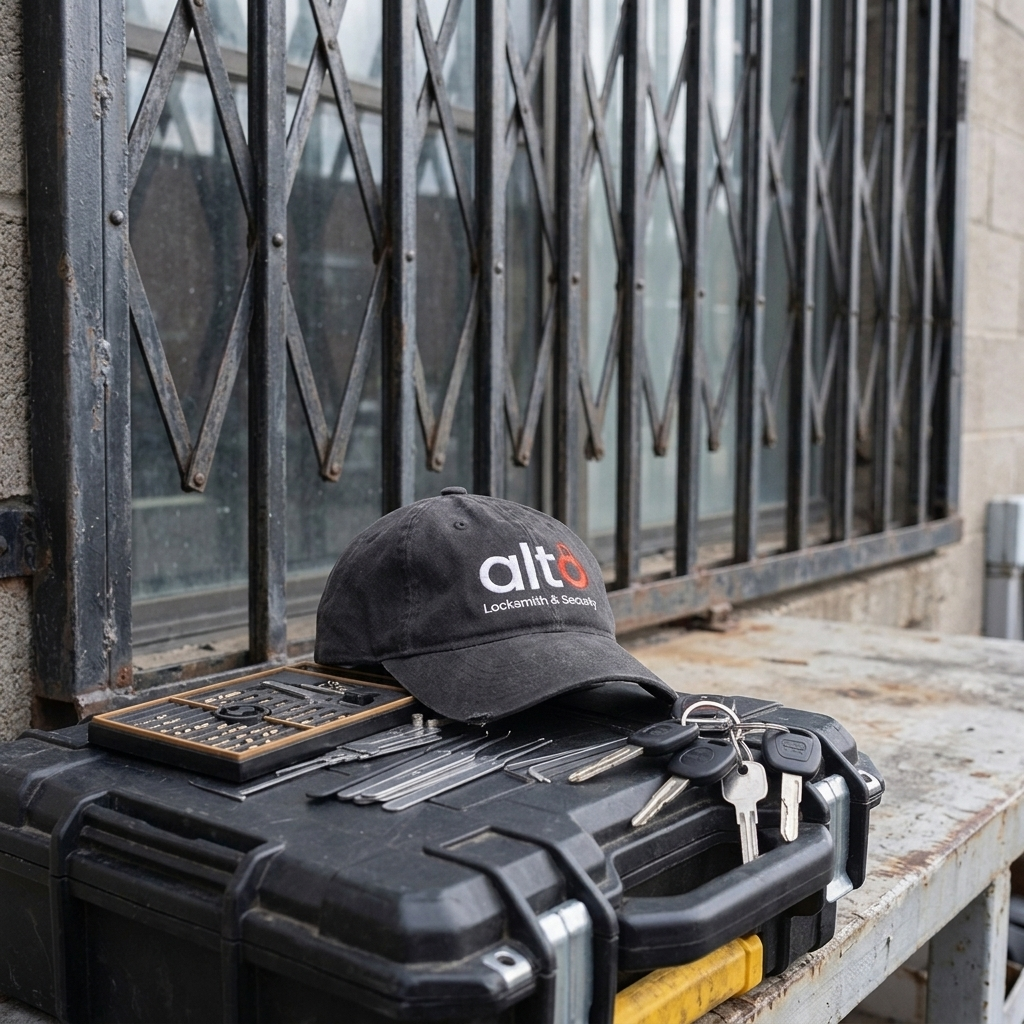

Every Fire Door Repair Service From One Team
Each service below restores what a fire door has to do in an emergency: close, latch, and stay shut.
Self-Closing Fire Door Repair
Apartment and hallway doors that drift open or stop short of the frame are one of the first things an HPD inspector notices. Left alone, one weak closer can turn into a building-wide violation report. Our self-closing fire door repair in NYC adjusts or replaces closers, hinges, and latches until each door swings shut and latches on its own. Tenants stay protected, and the door is ready for the next test.
Fire Door Closer Installation
Closers wear out with daily use, and a cheap replacement can fail quickly on a busy stairwell door. A closer that isn’t sized for the door either slams hard or never quite closes. Each replacement is a commercial-grade closer matched to the door’s size and fire rating, with the closing and latching speed set before we leave. That ends the slamming and the half-shut gaps on your busiest doors.
Latch, Strike & Hinge Repair
Sometimes the closer works fine, and the door still fails because the latch misses the strike by a fraction of an inch. Sagging hinges and worn latches often cause these near misses. Alto Locksmith & Security realigns the door, replaces worn latches and strikes, and swaps loose hinges for fire-rated ones. Once the door latches positively again, the violation can be cleared.
Panic Bars & Fire Exit Hardware
Exit doors in restaurants, offices, and stairwells need hardware that opens with one push and still holds the door shut during a fire. Not every panic bar is rated for fire doors, and the wrong device can fail an inspection. Every panic bar and exit device we install, or repair is listed for fire-rated doors and matched to NYC fire code. People get out with one push, and the door still holds shut against a fire
Fire Rated Door Installation
When a fire door is warped, rusted through, or missing its label, repair stops being an option, and swapping in an unrated door only creates a new violation. We provide fire-rated door installation in NYC by replacing damaged doors with labeled assemblies and fire-rated hardware, sized to the existing frame wherever possible. The opening is protected again, and the paperwork matches the door.
Egress Door Upgrades
A deadbolt that needs a key on the inside, or an electric lock that stays locked when the power goes out, can trap people during a fire. These problems are easy to miss and serious to leave in place. Replacing them with single-motion exit hardware, single-cylinder deadbolts, and fail-safe releases is the core of our egress door compliance work in NYC. Everyone inside can get out quickly, and the door still locks from outside.
Commercial Fire Door Inspection Service in NYC
The easiest violation to deal with is the one that never gets written.
Our commercial fire door inspection service in NYC walks every fire door in your building and tests it the way an inspector would. You get a written list of every door that needs work, what’s wrong with it, and a price to fix it, with many repairs handled during the same visit.
What We Check on Every Door
If your insurer or building management needs a formal NFPA 80 inspection report, let us know when you book, and we’ll explain what’s included.
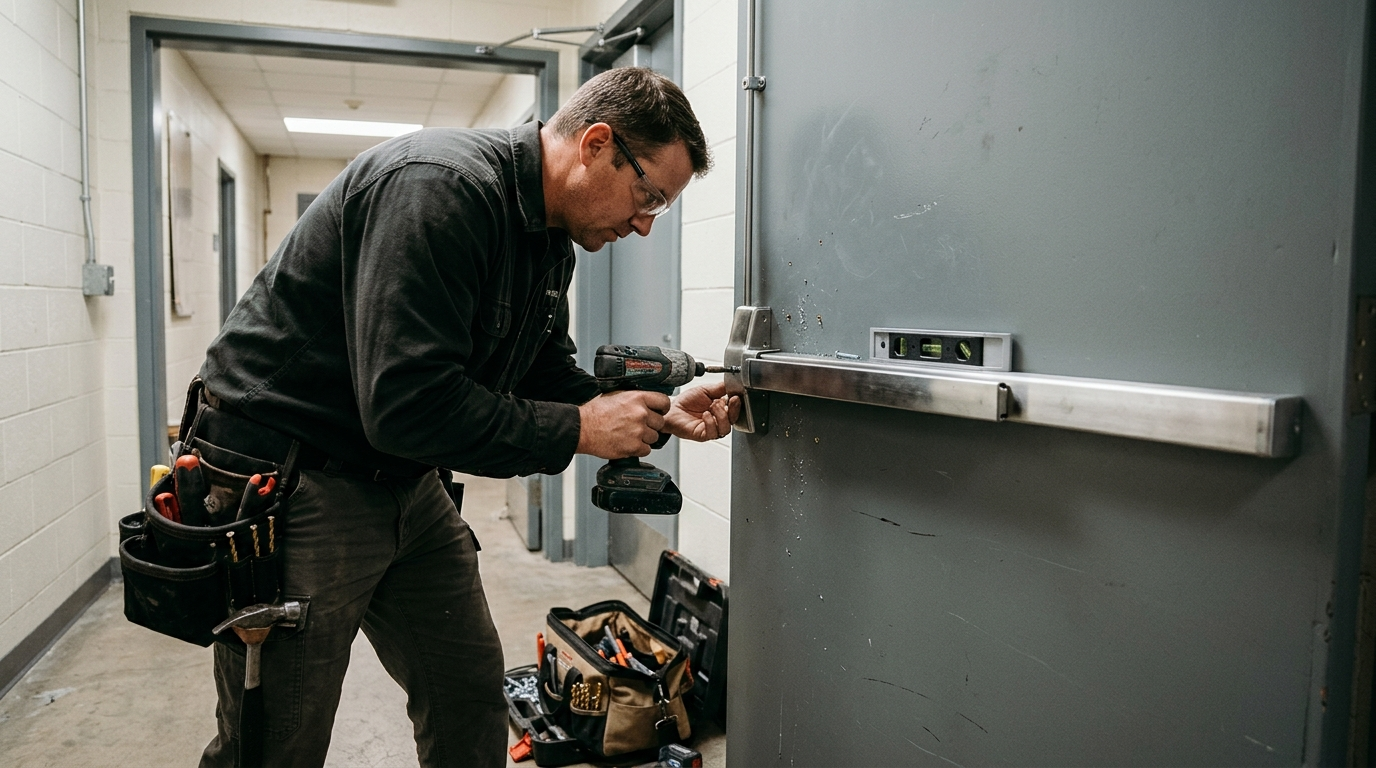
Our FDNY Fire Door Violation Correction Process in NYC
A violation isn’t closed until the door is fixed and the correction is certified, and we help with both.
Our job is to make the door compliant and give you clear proof of the work. The certification itself is filed by the building owner or their representative, and the FDNY requires it to be notarized.
A 14-Day Deadline Goes Faster Than You Think
The sooner a fire door is fixed, the simpler the violation is to close. Call us or send us your notice. Our team will repair the door, test it, and hand you the documents you need to certify the correction.
Frequently Asked Questions
What is an FDNY door violation in NYC?
It’s a citation for a fire door that doesn’t meet code, most often because it won’t close on its own, won’t latch, is propped open, or has the wrong hardware. Violations can come from the FDNY or, in residential buildings, from HPD during an inspection.
How long do I have to fix a fire door violation?
For HPD self-closing door violations, the owner has 14 days to correct the door and must certify the correction. FDNY summonses list a compliance date on the notice, and first offenders who fix the door and certify before that date can avoid the hearing and the penalty.
Can you fix a fire door violation the same day?
In many cases, yes. Closer adjustments, latch and strike repairs, and hinge replacements are usually finished in one visit. Full door replacements take longer, since the door has to be sized and ordered.
Do you provide paperwork for the Certificate of Correction?
Yes, you get an itemized invoice listing each door and the work completed, along with before and after photos. Those documents support the certification you file with HPD or the FDNY.
Who files the Certificate of Correction?
The building owner or an authorized representative, such as a managing agent or expediter, files it. FDNY certifications must be notarized and submitted with proof of the work.
How often do fire doors need to be inspected?
NFPA 80, the standard the NYC Fire Code follows for fire doors, calls for fire door assemblies to be inspected and tested at least once a year. Many owners also check self-closing doors more often between inspections, as HPD recommends.
Can I put any lock on a fire door?
No, fire door assemblies can’t be modified with hardware that isn’t rated for them. Locks, closers, and exit devices on a fire door need to be approved for fire-rated use, or the door can lose its rating and trigger a violation
Is it legal to prop a fire door open?
No, wedges, kick-down stops, and taped latches all stop the door from closing in a fire, and inspectors cite them. If a door needs to stay open during the day, talk to us about compliant options before adding anything to it.
Do you install fire-rated doors?
Yes, when a door can’t be repaired, we replace it with a labeled fire-rated door and matching fire-rated hardware, sized to the existing frame wherever possible.
What does your fire door inspection include?
We test each door’s closing, latching, gaps, hinges, closer, labels, and exit hardware, then give you a written list of doors that need work, with prices. Many fixes can be made during the same visit.