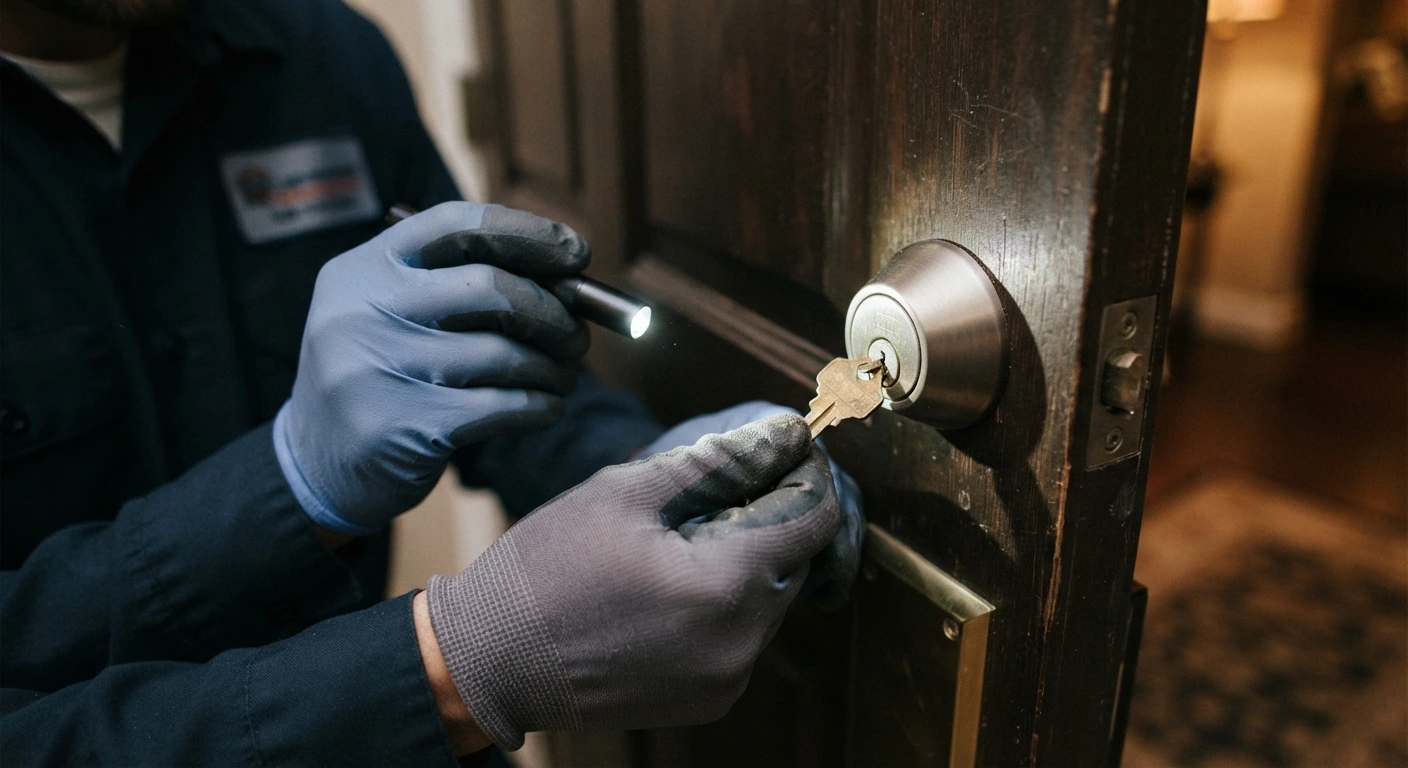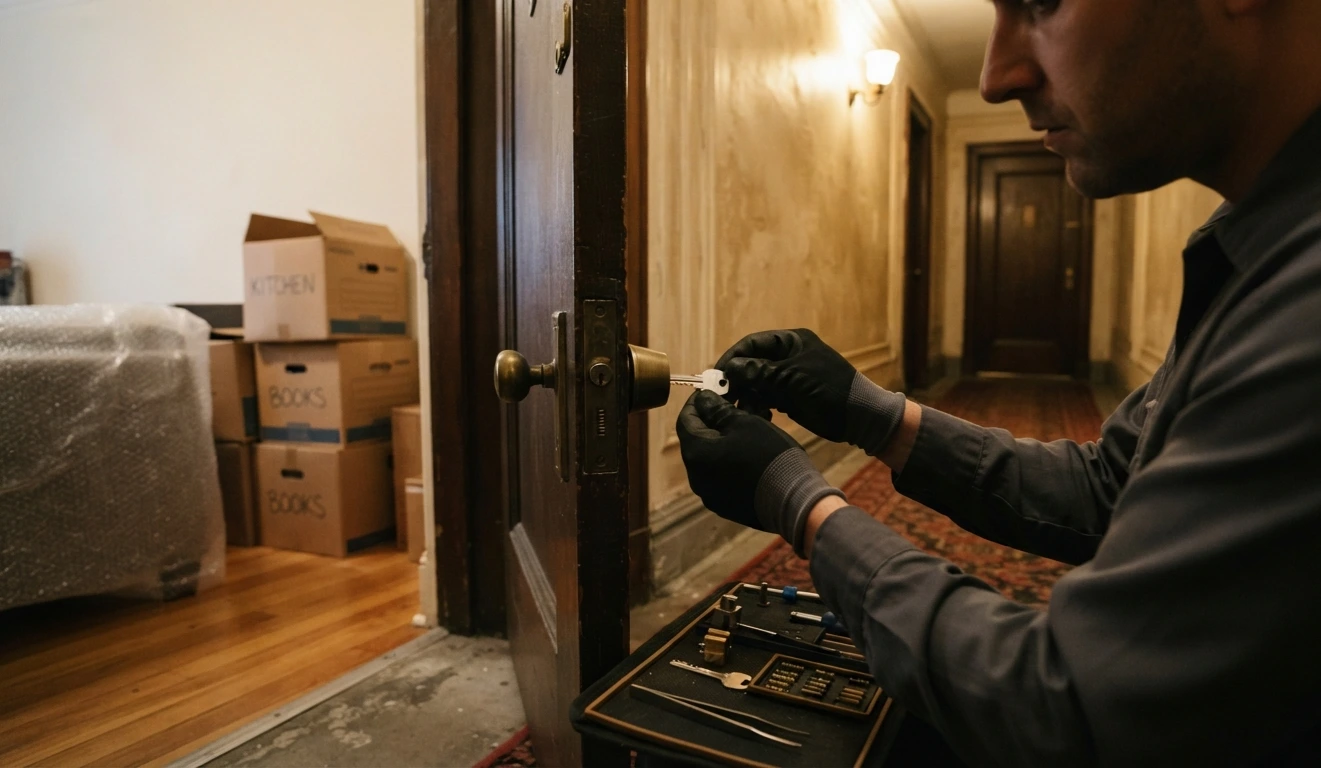
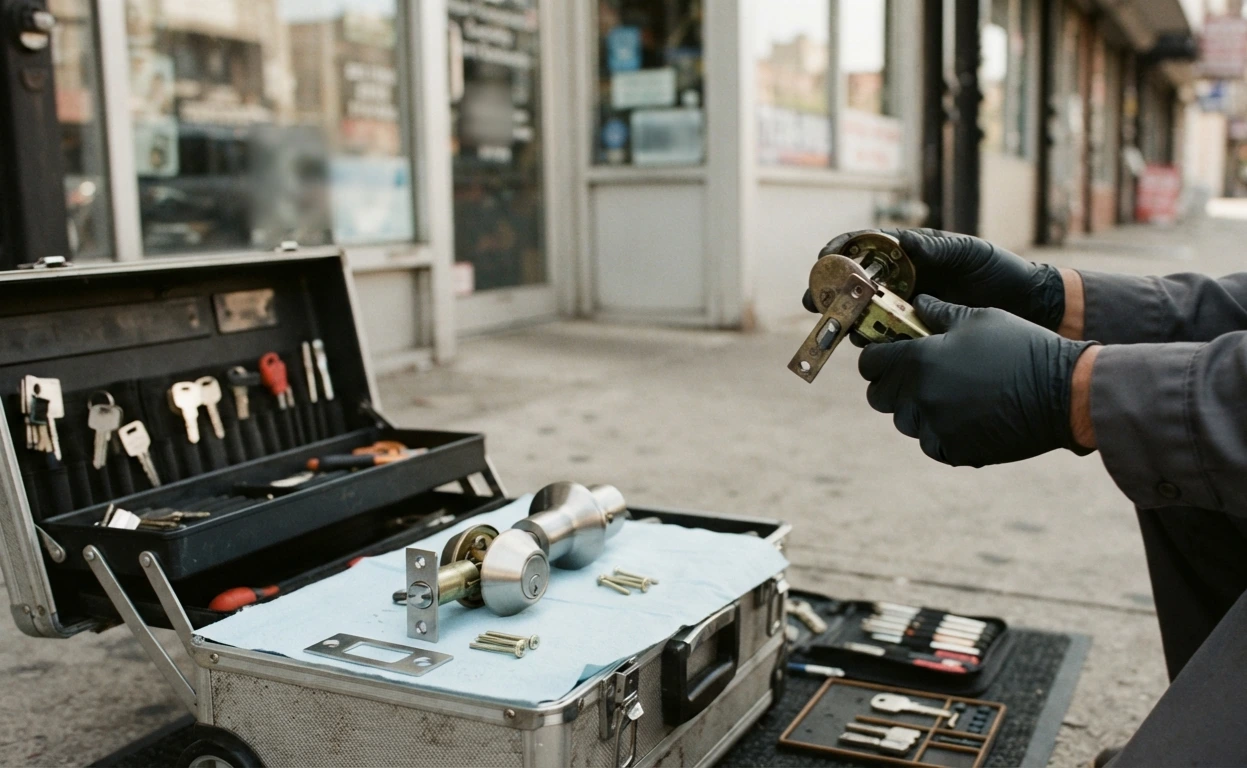
The choice of commercial lock repair vs replacement comes down to three things: the age of the lock, its grade, and how it failed. A solid, high-grade lock with a small fault is worth fixing. A lock that is worn out, outdated, or damaged past a safe repair should be replaced. This guide shows you how to read that line so your business door stays secure without wasting money.
Repair or Replace? The Smarter Choice for Business Locks
Repair means fixing the hardware you already have. A locksmith re-pins a worn cylinder, swaps a broken spring, or adjusts a strike plate so the bolt seats again. Replacement means removing the old lockset and fitting a new one. Both restore a working door, but they solve different problems, and picking the wrong one costs you either way. Repair a lock that should be replaced, and you pay twice when it fails again. Replace a lock that only needed a small fix, and you spend more than the door required.
For a business, the stakes are higher than at home. A commercial entrance can cycle hundreds of times a day, so the hardware wears faster, and the cost of a failure is measured in lost trading hours, not just a service fee. That is why the commercial lock repair vs replacement question deserves a clear answer before the technician starts, not a guess in the middle of a busy morning.
When Repairing a Commercial Lock Is the Smart Call
Repair is the right move more often than people expect, and it saves both money and downtime. You should lean toward a fix when the following are true:
- The lock is a solid, high-grade unit that has served well and simply developed a small fault.
- The problem is a worn cylinder that can be re-pinned, a tired latch spring, or a strike plate knocked out of line.
- The hardware was installed within the last few years and parts are still available.
- Only the key control changed, such as a staff member leaving, which a rekey solves without new hardware.
- The door itself is sound, and the fault sits in one part rather than the whole assembly.
In these cases, a repair returns the door to full use for a fraction of the cost of replacement. A quick rekey after a staff change, for example, blocks every old key without touching the lock body, and it takes less than an hour per door.
When Replacement Beats Repair for a Business Door
Replacement earns its cost when a lock has reached the end of its working life or no longer protects the building. Choose new hardware when you notice these patterns:
- The same lock has failed more than once, which means the fix is temporary at best.
- Parts are discontinued, so the hardware cannot be serviced to a reliable standard.
- The lock is a light, home-grade unit fitted to a door that sees heavy commercial traffic.
- Someone attempted a break-in, and the cylinder or bolt took damage during the try.
- The business needs a security upgrade, such as restricted keys or better forced-entry resistance.
When replacement is the answer, the lock installation in NYC should match the door to the right grade of hardware, so you are not back in the same spot next season. This is also the moment to fix key control for good by moving to a restricted keyway that stops anyone copying your keys at a corner kiosk.
How Lock Grade Decides Repair or Replacement
The clearest way to settle the commercial lock repair vs replacement question is to look at the lock’s grade. The American National Standards Institute and the Builders Hardware Manufacturers Association test door hardware and sort it into three grades under the ANSI/BHMA A156 standard. Grade 1 is the top level, built for high-traffic commercial doors and tested to around 800,000 cycles, along with strike and torque tests that copy forced entry. Grade 2 is mid-tier, suited to lighter commercial and residential use. Grade 3 is home-grade and is not strong enough for most business doors.
This matters for your decision in a direct way. A Grade 1 lockset with a minor fault is worth repairing, because the body was made to last through heavy use. A Grade 3 lock fitted to a storefront was never built for that load, so replacing it with Grade 1 hardware fixes the real problem instead of patching a part that will fail again. Many building codes require Grade 1 hardware on commercial and institutional doors, and non-compliant locks can fail an inspection or affect an insurance claim after a break-in. Checking the grade first tells you whether you are protecting a good lock or propping up a weak one.
How Worn Locks Create Safety, Security, and Business Risks
A sticky cylinder or a bolt that catches feels like a small thing, so many owners leave it and hope it holds. The problem grows quietly. A worn lock strands staff outside at opening time, jams during a rush, or gives way under a determined push at night. Faulty commercial door locks also carry a code and safety weight, since exit devices and panic hardware must open on one push during an emergency. A lock left to fail becomes a liability, not just an inconvenience.
There is a money side too. A planned repair or replacement on your schedule costs far less than an after-hours emergency callout when the door finally quits. The early decision keeps you in control of both the timing and the price. The longer a failing lock stays on the door, the more it costs you when it goes.
Landlords and mixed-use buildings
Property managers and landlords face this choice across many doors at once, from a ground-floor retail space to the apartments above it. Tenant turnover, shared entrances, and mixed commercial and residential use all raise the stakes on key control. For these buildings, a master key system paired with the right grade of hardware often settles the repair or replacement question across the whole property in one plan, rather than door by door.
Choose the Right Lock Solution with a Licensed Locksmith
You can settle most cases with a short mental check. Ask how the lock failed, whether the hardware is a commercial-grade lock worth keeping, and whether parts are still made for it. When the answer points to a single small fault on a solid, serviceable lock, repair it. When the lock is worn out, under-grade, damaged, or obsolete, replace it and match the new hardware to the traffic the door actually sees. A licensed locksmith can make that call in minutes and give you the cost of each path before any work begins, so the choice stays yours.
Common Questions on Commercial Lock Repair vs Replacement
Is it cheaper to repair or replace a commercial lock? Repair is usually cheaper when the lock is a solid commercial grade with a single small fault, such as a worn cylinder or a loose strike. Replacement costs more up front but works out cheaper over time when the lock is worn out, under-grade, or failing again and again.
How do I know if my business lock needs replacing? Replace the lock when it has failed more than once, when parts are no longer made for it, when it is a light home-grade unit on a high-traffic door, or when it took damage during a break-in attempt. Each of these means a repair will only buy a little time.
What lock grade should a commercial door use? Grade 1 under the ANSI/BHMA A156 standard is the benchmark for commercial and high-traffic doors, since it passes the toughest cycle, strike, and torque tests. Grade 2 suits lighter commercial use, while Grade 3 is home-grade and too weak for most business entrances.
Can a locksmith rekey a commercial lock instead of replacing it? Yes. When the lock body is sound and you only need to block old keys after a staff change or a move, a rekey resets the pins to a new key without new hardware. It is faster and cheaper than a full replacement.
Does a failing commercial lock affect insurance or code compliance? It can. Many building codes require certified Grade 1 hardware on commercial doors, and exit devices must open on one push during an emergency. Non-compliant or failed hardware can lead to a failed inspection or complicate an insurance claim after an incident.
Fix the Right Lock Before It Costs You a Trading Day
A failing business lock rarely gives much warning before it strands your staff or shuts your doors during trading hours, and the choice between commercial lock repair vs replacement is far cheaper to make on your own schedule than during an emergency. The smart move is to have a licensed locksmith assess the door now, while it still turns, and give you the cost of each path. We’re a licensed team serving businesses across Manhattan and the wider city, on call 24 hours a day, and ready to advise on the fix that protects both your building and your budget. This is exactly what our guide to choosing the right commercial locksmith walks through in more depth. When a commercial lock starts to give trouble, reach out to Alto Locksmith & Security before it fails on the worst possible day.