Your first night in a new apartment has a specific sound. Footsteps in the hallway, the elevator settling, a door closing two floors down. Somewhere in that quiet, most people ask themselves the same question while lying in bed. Who else can open this door?
The answer for almost every move-in is yes, change the locks, and do it in the first week. Booking a residential locksmith in NYC before you finish unpacking closes an access gap that nobody else in the process is responsible for closing. Your landlord is not required to change the locks between tenants, your broker will not raise it, and your building super has no reason to bring it up.
This guide covers what a new tenant or buyer actually needs to handle, which doors get missed, and what the work costs across the city.
How Many Working Keys Existed Before You Moved In
Sit down and count. The previous tenant held a set for the length of their lease, and hardware store copies cost a few dollars with no record kept anywhere. Over three or four years, that tenant may have cut keys for a partner, a roommate, a dog walker, a house cleaner, a family member visiting from out of town, and a friend who watered the plants during a vacation.
Add the people who came through during the turnover. The listing broker used a key for every showing. The super holds one. Painters and floor crews often keep a key for the duration of the job. Movers handling the outgoing tenant had access to an open door for hours.
Ten working keys for a single apartment door is a normal figure, not a high one. None of those keys stop working on the day your lease starts, because a key does not know who lives behind the door. The lock only reads the cuts on the metal.
The part that unsettles most new tenants is the missing paper trail. You cannot call anyone and get a list. You cannot check a log. The only way to bring that number down to a known figure is to reset the lock, and that is a straightforward visit for any apartment locksmith in NYC.
Every Door in Your Building That Takes a Key, Not Just the Front One
New York apartments come with more access points than a house does, and new tenants secure the main door while leaving four others untouched.
- Apartment entry door. The main lock, and usually a deadbolt plus a spring latch on the same door.
- Mailbox lock. Old tenants keep mailbox keys constantly, and your bank statements, cards, and tax documents land there. Anyone facing a jammed or keyless box can get mailbox lockout help and a fresh cylinder in the same visit.
- Building entry key or fob. Management controls this one, and you should ask whether the outgoing tenant returned every fob and whether the old fob was deactivated in the system.
- Storage cage or basement locker. Usually a padlock you supply yourself, and the previous tenant’s padlock sometimes stays on the door.
- Bike room, laundry room, and package room. These often run on the same building key, so ask management how many were issued for your unit.
- Roof or terrace access. Some walk-ups still use a keyed roof door shared across the building.
- Interior doors on a shared lease. Roommate bedroom locks change hands between tenancies with no reset at all.
Booking one visit that covers the apartment door and the mailbox costs far less than two separate calls, so list every keyed opening before you pick up the phone.
Rekey or Replace: Which One Your Apartment Door Needs
Changing your locks does not always mean buying new hardware, and the wrong choice costs money without adding security.
When rekeying handles the job
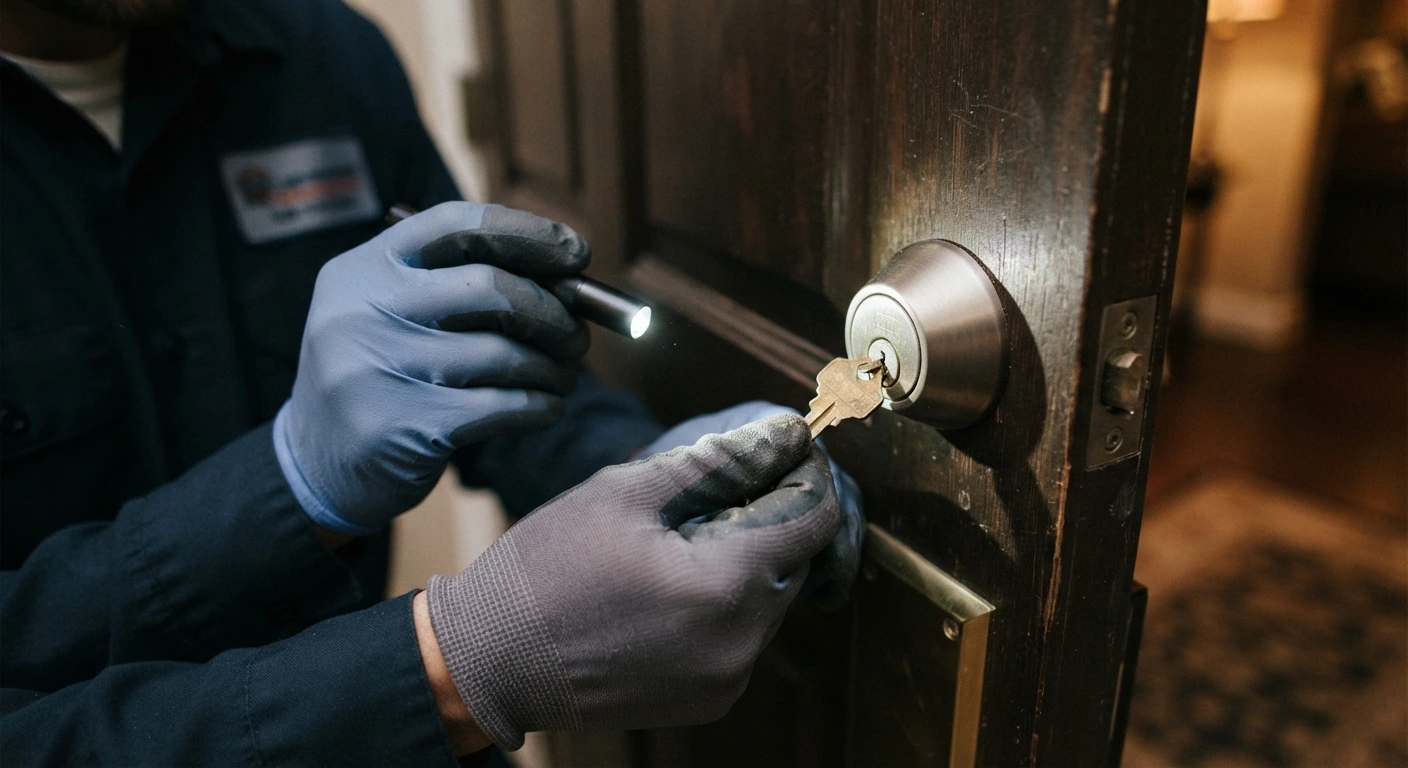
Lock rekeying keeps your existing lock body on the door and resets the pins inside the cylinder, so every old key stops working, and a new key takes over. The security level of the hardware stays the same, and the keys floating around the city become useless metal.
This fits most move-ins where the door hardware works properly. The bolt throws smoothly, the key turns without force, and the lock is a recognized brand. A technician finishes one cylinder in well under an hour, and a residential locksmith in NYC can rekey several openings to a single key so you carry one key instead of three.
When replacing the lock is the better spend
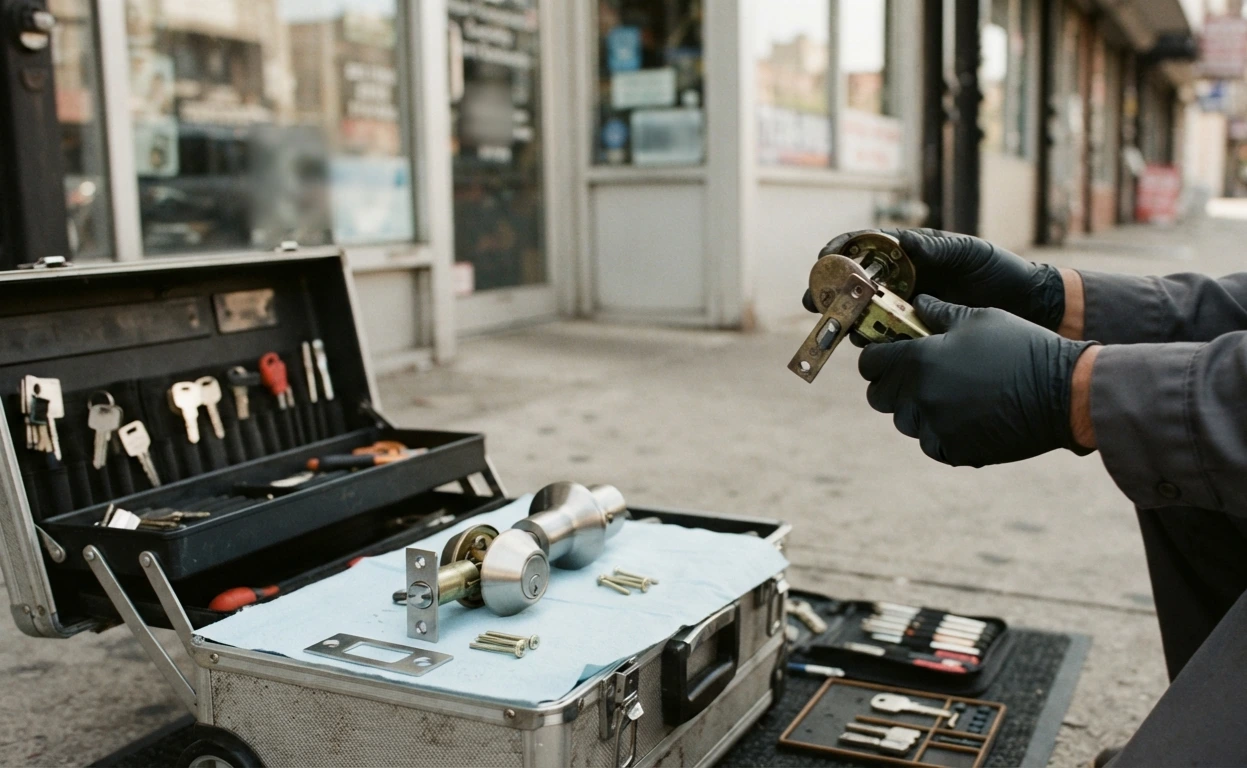
Replacement means fitting new hardware, and it earns its cost in specific situations. A bolt that drags or needs lifting on the door to turn points to wear inside the lock body. A cylinder that feels gritty has debris or worn pins. A knob lock with no deadbolt beside it falls short of what an apartment entrance door should carry.
Ground-floor units, apartments beside a fire escape, and doors facing a public stairwell also make a case for stronger hardware. High-security cylinders from brands with restricted keyways stop the corner hardware shop from cutting a copy for anyone who walks in with your key, which matters in shared or sublet situations.
How Your Building Type Changes the Lock Work
New York hardware varies more than most cities, and the building you moved into decides what a technician can fit.
Pre-war walk-ups and older buildings
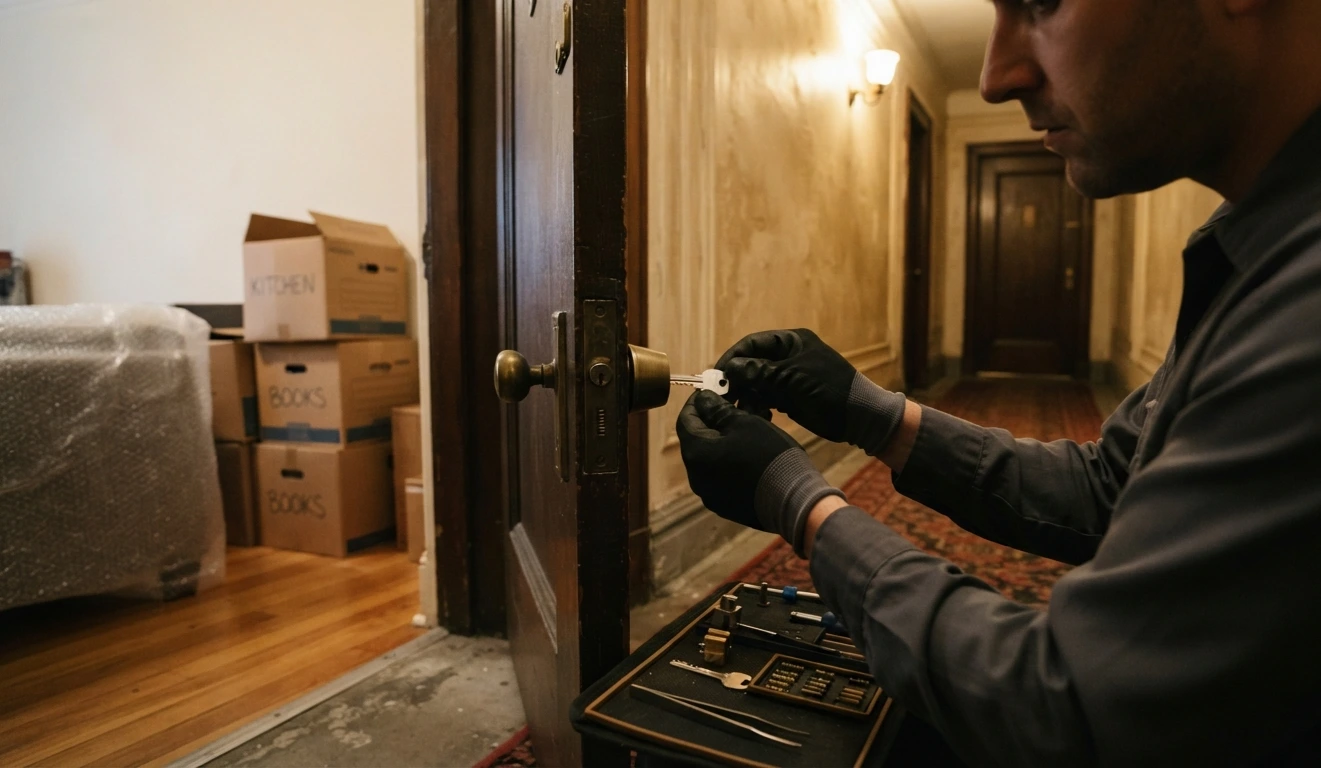
Many buildings from the early 1900s through the 1940s use mortise locksets, where the lock body sits inside a pocket cut into the door edge. These are solid pieces of hardware, and replacing the whole assembly means matching the pocket dimensions and the faceplate. In most cases, a technician swaps only the cylinder, which resets your keys and costs a fraction of a full replacement. Anyone quoting you a complete lockset change on a working mortise door is quoting more work than the door needs.
Post-war and newer condo doors
These usually carry cylindrical deadbolts with standard bore holes, which makes replacement simple and gives you more hardware options. Fire-rated apartment doors in newer buildings carry restrictions on drilling, so any new hardware has to fit existing preparations rather than create new ones.
Co-ops, condos, and public housing
Co-op and condo boards often set rules on entrance door hardware through building bylaws, so a quick check with management before booking saves a reversal later. NYCHA residents follow a different path entirely and submit a request through the management office rather than hiring a locksmith directly.
Renters also carry one clear obligation under city rules around providing the landlord a duplicate key, along with limits on what kind of extra lock you may add. Our guide on what NYC renters need to know about changing apartment locks walks through those rules in detail, and reading it before your appointment keeps you clear with management.
The First Week: An Order That Actually Works
Sequence matters more than speed, because doing this in the wrong order means paying twice.
Before the movers arrive, confirm with management which keys you received and which openings they cover. Ask whether the previous tenant’s fob was deactivated. Take a photo of your apartment lock, including the faceplate and any brand name, and keep it on your phone.
On moving day, leave the lock alone. Movers prop doors open for hours, and a fresh cylinder installed that morning gets exposed to the same crowd anyway.
Within 48 hours after the movers leave, book the lock work. This is the window where a good apartment locksmith in NYC can handle the entry door and the mailbox together in one visit while your schedule is still open.
Before the end of week one, cut your spares, hand a duplicate to management if your lease or the law calls for it, and store a spare somewhere outside the apartment. Leaving a spare inside the apartment helps nobody at two in the morning.
During the first month, check the door itself. A strike plate held by short screws pulls out of the frame under a kick regardless of how strong the lock is. Longer screws reaching the stud behind the jamb cost almost nothing and add more resistance than most hardware upgrades.
What Lock Work Costs in New York and What Moves the Price
Prices across the city fall into predictable ranges, and knowing them protects you from a bait quote.
- Rekeying runs roughly 50 to 150 dollars per lock, with the lower end applying when several cylinders are rekeyed during the same visit.
- Standard lock replacement costs more than a rekey because hardware is included, and the figure depends on the grade of lock you choose.
- High-security and restricted-key cylinders start around 150 dollars per lock and climb with the brand and keyway.
- Cylinder-only swaps on mortise locks sit near the low end, since the lock body stays in the door.
- Mailbox cylinders are among the cheapest items on the invoice when combined with other work.
Four things push a quote up: the number of openings, the grade of hardware you select, whether the door needs any repair before new hardware seats correctly, and how many keys you want cut. A company holding one rate around the clock removes the fifth variable, since night and weekend surcharges catch many new tenants who book after work.
How to Tell a Licensed Locksmith From a Bait Price
Move-in season brings out operators who advertise a very low callout figure and then raise the price at your door once the old cylinder is already out. The checks below take two minutes on the phone.
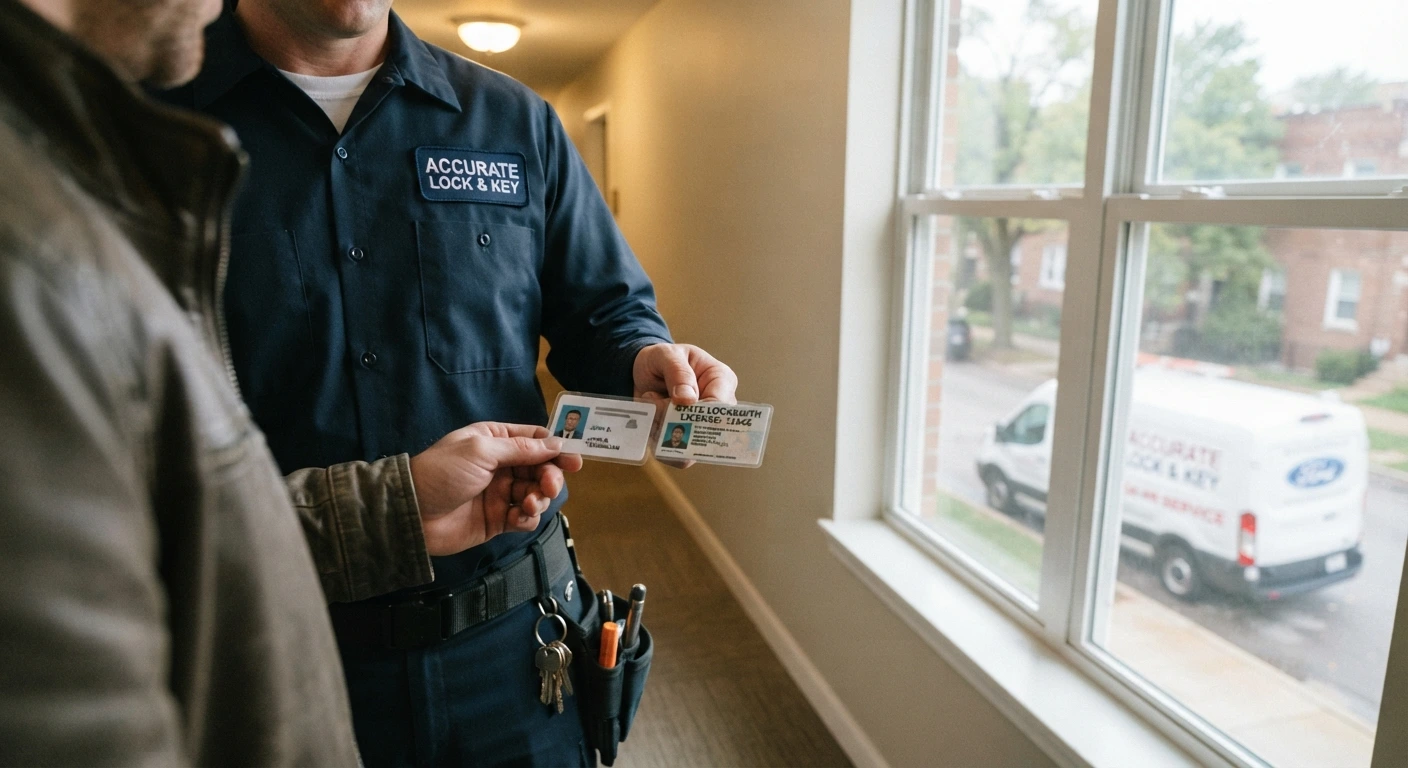
Locksmiths working in the city fall under the licensing rules of the NYC Department of Consumer and Worker Protection, which involve a background check and proof of skill. Ask for the license before booking, and ask for the technician’s name.
Beyond the license, listen for four things: a full price quoted on the phone before anyone is dispatched, not a callout fee with the work priced later; a commitment to non-destructive methods first, since drilling a working lock destroys hardware that could have been picked or decoded; a written receipt listing parts and labor; and a company name that matches the vehicle and the invoice rather than a generic dispatch label.
The security case for handling this properly is straightforward. NYPD CompStat figures for the city show 6,359 burglary complaints year to date through early August 2026, down from 7,514 over the same stretch of 2025, and the department publishes those citywide crime statistics every week. The trend keeps improving, and the absolute number stays high enough that an unknown key in circulation is worth removing.
Renters and Buyers Face Different Versions of This Decision
The move-in lock question changes shape depending on how you took the apartment.
Renters work inside a lease and within city rules on providing a duplicate key. Rekeying usually makes the most sense because the hardware belongs to the building, and you may be leaving in a year or two. Notifying management first avoids a needless dispute at renewal time.
Condo and co-op buyers hold full control over their own entrance hardware, and the key count at closing tends to be even worse than a rental turnover. Sellers hand over the keys they can find. Contractors, stagers, listing photographers, and open house visitors all passed through, and a seller who lived there twelve years has no memory of every copy cut in that time. Buyers also gain the option of high-security cylinders with restricted keys, which suits an apartment nobody else should ever access.
Sublets and roommate changes sit between the two. A departing roommate who left on good terms still holds a working key, and a sublet arrangement passes keys through a chain nobody documented. Resetting the cylinder when a name comes off the lease keeps the arrangement clean without making it personal.
Change the Locks Before Someone Else Uses a Key You Never Knew Existed
Every night you sleep behind a lock you inherited is a night spent trusting a list of strangers you never met. The previous tenant’s ex, a cleaner from two years ago, a contractor who kept a copy after the job. Nothing about that changes on its own, and the cost of fixing it is smaller than one month of a NYC utility bill.
Alto Locksmith & Security is a licensed and insured team serving renters and owners across Manhattan, Brooklyn, Queens, the Bronx, and Staten Island, on call 24 hours a day with one rate that holds through nights, weekends, and holidays. We quote the full price before a tool comes out, open and reset locks without damaging your door, and cut your spares on site.
Book your move-in lock work while the boxes are still in the hallway. Contact us for a licensed apartment locksmith in NYC, and make tonight the first night you are the only person who can open your door.