When you move into a new place, an apartment lock change in NYC is one of the first things to sort out, because the last tenant, the broker, the super, and a cleaner or two may still hold a working key. As a renter, you have the right to change or add a lock on your door, with one clear catch under city law: you must give your landlord a copy of the key. This guide walks you through your rights, your options, and the safe way to lock down your new home.
Who Still Has a Key to Your New Apartment?
Think about how many keys existed before you signed the lease. The previous tenant held a set, and often gave copies to friends, partners, or a dog walker. The broker showed the unit with a key. The building super keeps one. None of those keys stop working the day you move in, because your landlord is not legally required to change the locks between tenants. Many good landlords do it anyway, but plenty do not, and you have no way to know how many copies are out there.
That gap is the reason an apartment lock change in NYC belongs at the top of your move-in list, not somewhere down it. You are sleeping in a home that other people may still open. A quick change during your first week closes that door for good, and it costs far less than the worry of not knowing who holds a key to where you live.
What NYC Law Says About Renters Changing Their Locks
New York gives renters clear ground here, so you are not asking a favor. Under Multiple Dwelling Law Section 51-c, tenants in a multiple dwelling, which covers almost every apartment building in the city, may install and maintain their own lock on the apartment entrance door, in addition to the landlord’s lock. The rules that come with that right are short and worth knowing:
- The extra lock must not be more than three inches in circumference.
- You must give the landlord a duplicate key when they ask for it, since they need lawful access for emergencies like a leak or a gas smell.
- Any lease clause that charges you extra rent or a fee for adding a lock is void, because it goes against public policy.
- A landlord changing your locks without giving you a key can violate the city’s Unlawful Eviction Law.
The city’s own guidance backs this up. According to the NYC Department of Housing Preservation and Development, if you change your locks, the law requires that you provide a copy of the key to the landlord. Check your lease as well, since some standard NYC leases ask you to notify management first, and a quick heads-up avoids a needless dispute.
Should You Rekey or Replace Your Apartment Locks?
An apartment lock change in NYC does not always mean buying new hardware. There are two paths, and the right one depends on the condition of your existing lock.
When rekeying is enough
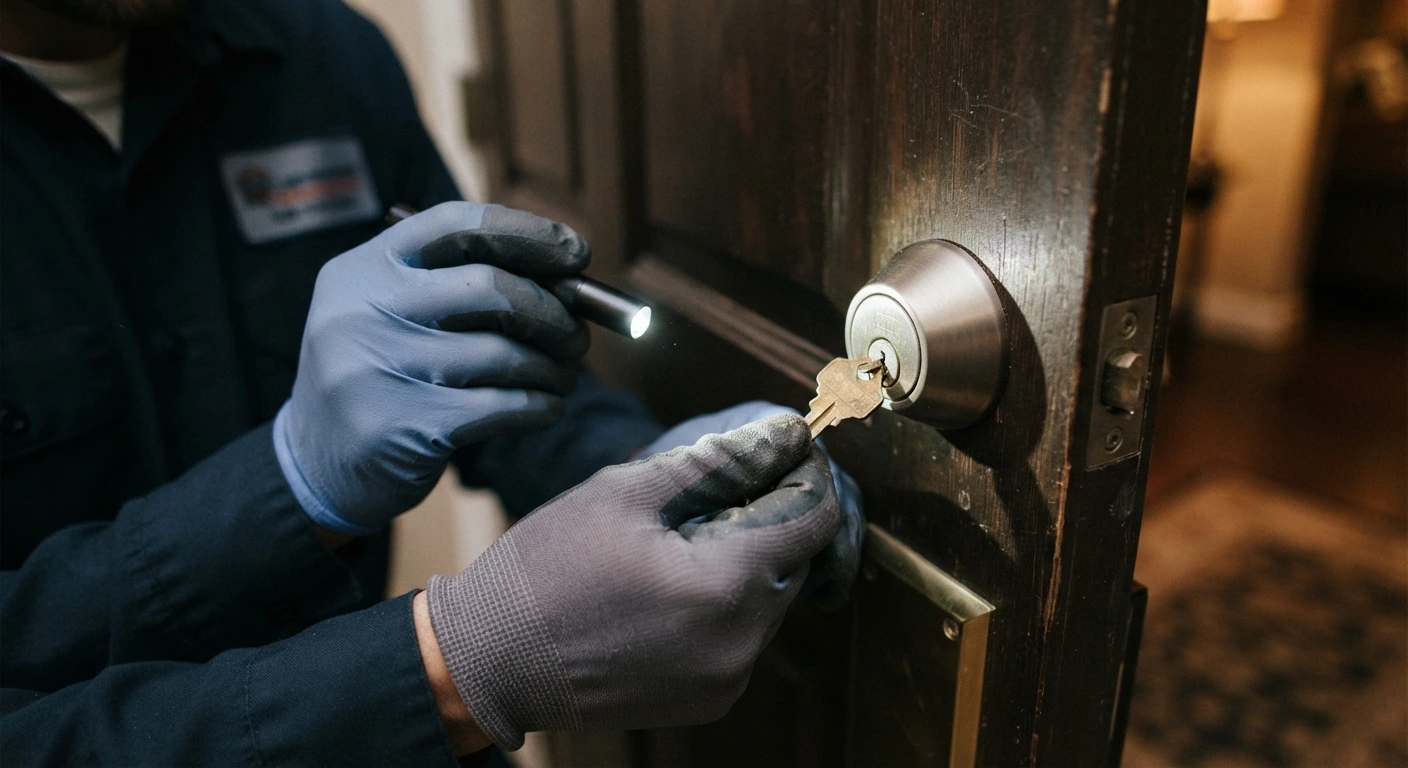
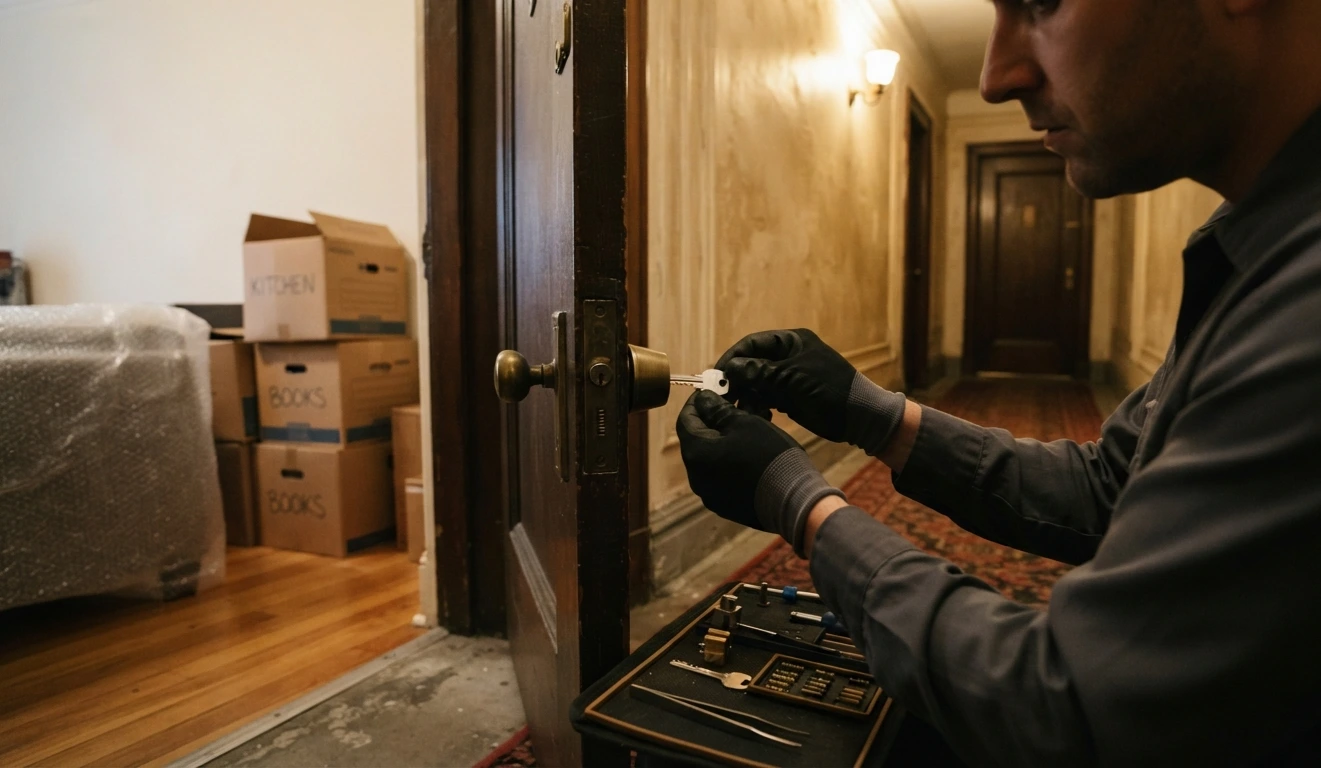
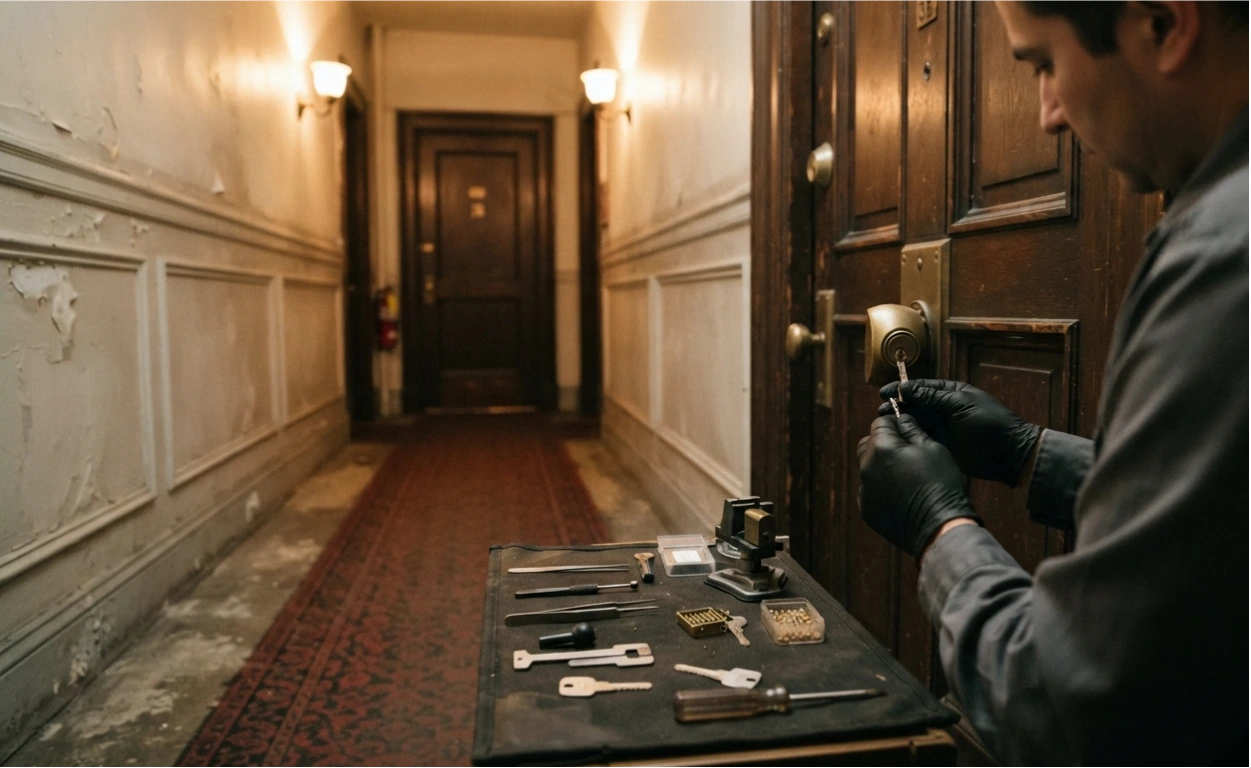
Rekeying keeps your current lock and resets the pins inside so the old keys stop working and a new key takes over. It suits most move-ins, because the hardware on the door is often fine and the only problem is the keys floating around out there. A lock rekeying takes under an hour per lock and costs less than a full replacement, usually in the range of 75 to 150 dollars per lock. For a renter who just wants old keys dead, this is the quick and affordable choice.
When a full replacement makes sense
Replacement means fitting a new lockset, and it is the better path when the existing lock is worn, sticky, or low quality. If the deadbolt drags, the cylinder feels gritty, or the hardware looks like a builder-grade knob lock with no real strength, a new lock protects you better than resetting an old one. Replacement also lets you upgrade to a stronger deadbolt on a ground-floor or street-facing apartment where security matters more.
The Deadbolt Rule Every NYC Renter Should Check
Many renters do not know that the law sets a hardware standard for your door. Under the NYC Housing Maintenance Code, every apartment entrance door in a multiple dwelling must have a deadbolt that works with a key from the outside and a thumbturn from the inside, and the landlord must provide and maintain that working lock. A plain knob lock on its own does not meet the rule.
One safety point matters when you add or change a deadbolt. Avoid a double-cylinder deadbolt that needs a key to open from the inside, because fire code requires you to get out without hunting for a key during an emergency. A licensed locksmith handling your lock installation in NYC will fit a thumbturn deadbolt that keeps you both secure and code-compliant, so you are protected without trapping yourself inside.
Who Pays for an Apartment Lock Change, You or the Landlord?
This is where renters get unsure, so here is the plain version. Since the landlord is not required to change the locks between tenants, the move-in lock change is usually on you, and the cost is small next to the safety it buys. There is one flip side. If the lock on your door is broken or does not work with the key you were given, that is a maintenance problem, and the landlord must repair or replace it under the Housing Maintenance Code.
Watch for one trick in a lease. A clause that tries to charge you extra rent or a fee for adding your own lock carries no weight, because the law treats it as void. You pay for the locksmith visit if you choose to change the lock, but you never owe your landlord a surcharge for exercising a right the law already gives you.
Co-ops, NYCHA, and Shared Apartments Follow Different Rules
Your building type can change the steps, so match your situation before you call anyone.
NYCHA apartments
If you live in public housing, the rules are stricter. NYCHA tenants generally cannot change or rekey their own locks. You submit a maintenance request through your management office, and NYCHA handles lock changes between tenants.
Co-op and condo buildings
Co-ops and condos often set their own rules on exterior door hardware through building bylaws. Your right to add a secondary lock still stands, but check with building management before you change the main entrance lock, since the board may have requirements on hardware or on holding a key.
Roommates, sublets, and shared leases
When a roommate moves out, or a sublet ends, change or rekey the lock even if the person left on good terms, because their key still opens your door. Talk it through, provide a key where the lease or arrangement calls for it, and make sure the old keys no longer work.
A Simple Move-In Lock Checklist for NYC Renters
Keep the first-week plan simple, and you will cover every base without stress:
- Read your lease for any clause about lock changes or landlord notice.
- Tell your landlord or super what you plan to do before you do it.
- Decide between a rekey and a full replacement based on the lock’s condition.
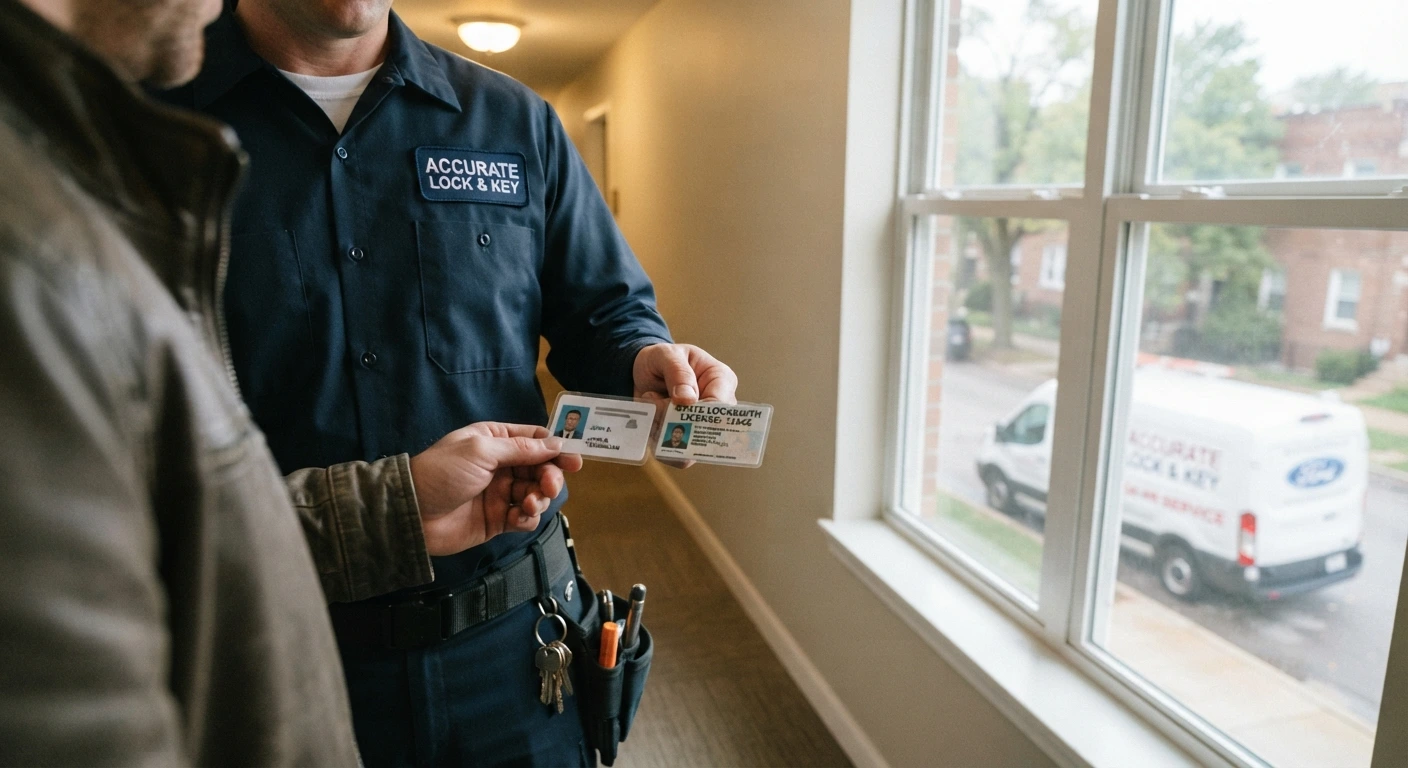
- Book a licensed apartment locksmith in NYC rather than an unlicensed van.
- Cut a spare and hand a copy to the landlord if they request it.
- Keep proof of your lease and residency in a safe spot in case of any dispute.
FAQs
Can I change my apartment locks in NYC without landlord permission? Under Multiple Dwelling Law Section 51-c, you may install and maintain your own lock on the apartment door in addition to the landlord’s lock. You must give the landlord a duplicate key on request, and some leases ask you to notify management first, so check yours before you start.
Does my NYC landlord have to change the locks between tenants? No. Landlords are not legally required to change or rekey locks when one tenant leaves and another moves in. That is why doing an apartment lock change in NYC yourself during the first week is the safest move.
Is it cheaper to rekey or replace an apartment lock? Rekeying is cheaper and usually enough for a move-in, since it resets the pins so old keys fail while keeping your current lock. Replacement costs more and makes sense when the lock is worn, sticky, or low quality.
Can my landlord charge me extra rent for adding a lock? No. A lease clause that charges extra rent or a fee for adding your own lock is void as against public policy. You pay the locksmith for the work, but you owe your landlord no surcharge.
What if my landlord changed my locks and did not give me a key? A landlord who changes your locks without providing a key, and without a court order, can be violating the city’s Unlawful Eviction Law. Keep proof of residency such as your lease and utility bills, and you can seek help through Housing Court.
Lock Down Your New Apartment Before Someone Else Uses Their Key
A new home should feel safe from the first night, yet an old key in the wrong hands quietly undoes that, and every day you wait is another day a stranger may open your door. The smart move is a fast apartment lock change in NYC during your first week, done by a licensed hand who knows the city’s tenant rules. Alto Locksmith & Security is a licensed team serving renters across Manhattan and the wider city, on call 24 hours a day, ready to rekey or replace your locks and keep you code-compliant. Before you unpack the last box, reach out to Alto Locksmith & Security and make sure you are the only one who can get in.