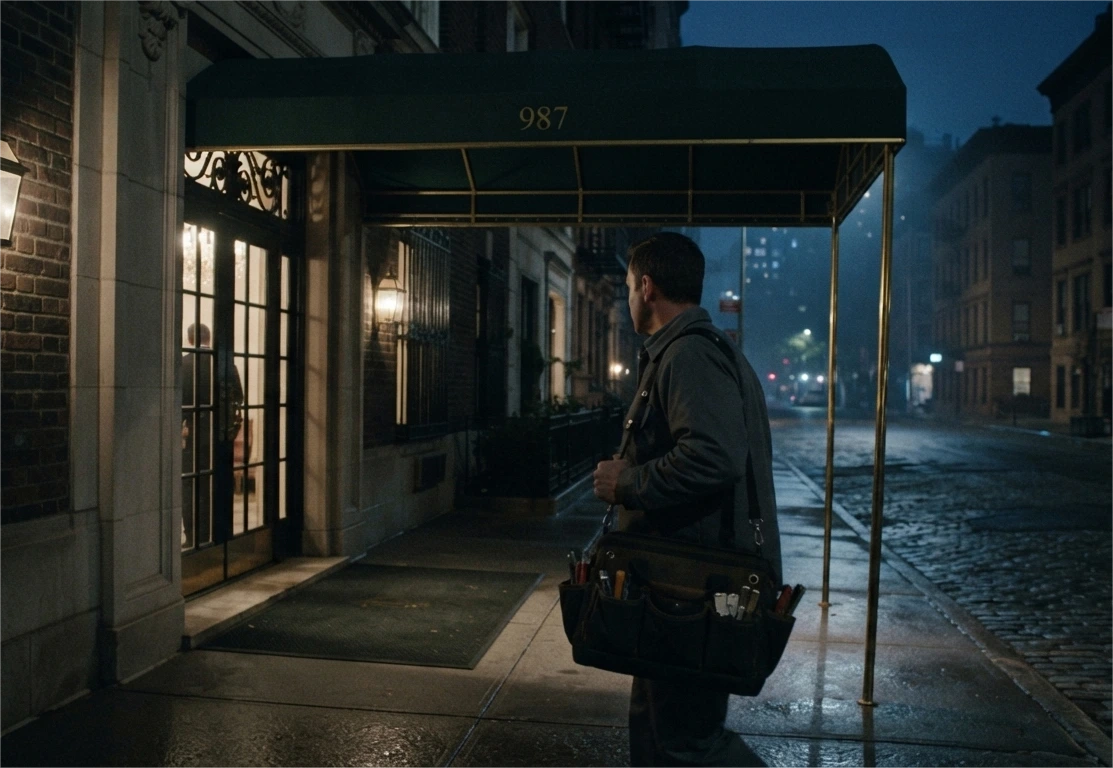
An emergency locksmith in NYC provides 24/7 on-site service for lockouts, broken keys, damaged locks, and urgent security situations. In New York City, a licensed emergency locksmith typically arrives within 15 to 30 minutes (traffic conditions apply) and charges approximately between $75 and $200 for most lockout calls. This guide covers exactly what to do when you face a lock emergency in NYC, how to choose a trusted locksmith in NYC, what every service costs, and the red flags that signal a scam.
New York City runs 24 hours a day. Your lock problems will, too.
It doesn’t matter if it’s a Tuesday night at 11 PM in Crown Heights or a Sunday morning in Hell’s Kitchen the moment you realize you’re locked out, or that your key snapped clean off in the deadbolt, or that your ignition won’t turn, time stops mattering. What matters is getting help fast from someone you can actually trust.
That’s a harder thing to find in NYC than it should be. The city’s locksmith industry is riddled with scammers who advertise bargain prices online, dispatch unqualified technicians, and then hold your door hostage for a $400 cash payment. It happens every single day across all five boroughs.
This guide is your protection against that. We’re going to walk you through everything: what a real emergency locksmith service looks like, exactly what to do the moment a lock emergency happens, what you should pay, and how to spot the scammers before they show up at your door.
What Counts as a Locksmith Emergency in NYC?
An emergency locksmith situation is any lock or key problem that requires immediate professional help meaning it’s unsafe, extremely inconvenient, or time-sensitive. The most common emergency calls in New York City include:
Residential lockouts — You’re locked out of your apartment or house. Maybe you left your keys inside, they broke off in the lock, or the lock itself stopped working. This is the single most common locksmith emergency in NYC, happening thousands of times a day across the city.
Car lockouts — Keys locked inside the car, key fob dead or broken, key snapped in the door lock or ignition. NYC drivers deal with this constantly, especially in garages and during rush hour.
Office and business lockouts — Getting locked out of your storefront, office building, or commercial space costs real money by the minute. Legitimate 24/7 locksmith service is critical for any NYC business.
Post-break-in lock repair — If your property was burglarized or someone tried to force a lock, you need immediate security restoration. Damaged locks must be replaced the same night, not the next business day.
Broken or jammed locks — A lock that won’t turn, a deadbolt that won’t retract, or a lock that’s visibly damaged doesn’t always mean you’re locked out yet but it will. Getting it addressed immediately prevents a worse emergency later.
Landlord-related lockouts — In New York City, it is illegal for a landlord to change or remove a tenant’s locks without a court order. If it happens to you, that’s a locksmith emergency and also a legal matter.
What to Do the Moment You’re Locked Out in NYC
step-by-step response plan that works for any lockout scenario in the city:
Step 1: Stay Calm and Stay Safe
Panic leads to bad decisions — like trying to force your door, break a window, or call the first number that appears in a Google ad. Before doing anything else, take 60 seconds to assess your situation. Are you safe where you are? If it’s late at night or you’re in an unfamiliar area, move to a public, well-lit place nearby while you figure out your next step.
Step 2: Try the Obvious First (Free Options)
Before calling a locksmith, run through these quick checks any one of them could solve the problem instantly at no cost:
- Call your building superintendent. NYC’s Multiple Dwelling Law requires all residential buildings with nine or more units to have a superintendent available 24 hours a day. Their contact information must be posted in the lobby. For a simple lockout, your super can often let you back in at no charge.
- Call your landlord’s emergency line. Most property management companies maintain 24/7 emergency contact numbers. Check your lease.
- Check for a spare key. Do you have a neighbor, friend, family member, or partner who holds a spare? A single text message could save you $100.
- Check other entry points. If you’re locked out of a house (not an apartment), is there an unlocked window or back door? Only consider this at your own property in daylight — attempting to climb through a window at night in NYC will likely result in a police call from concerned neighbors.
Step 3: Call a Licensed Emergency Locksmith
If the free options don’t pan out, it’s time to call a professional. When you do, here’s what you need to do immediately:
- Ask for an upfront flat-rate quote. A legitimate locksmith will give you a firm price over the phone before dispatching. If they won’t quote you until they arrive, hang up and call someone else. That is the #1 setup for a scam.
- Ask for their NYC DCWP license number. In New York City, all locksmiths must be licensed by the Department of Consumer and Worker Protection. A licensed locksmith will give you their number without hesitation.
- Confirm the business name and phone number. Scammers operate call center networks where the same number routes to whoever is available — often with no verified credentials. Confirm you’re speaking with a local, established company.
- Get an ETA. A local mobile locksmith in NYC should be able to reach most locations within 15–30 minutes.
Step 4: Prepare Your Identification
When the locksmith arrives, they are legally and ethically required to verify that you have rightful access to the property before opening any lock. This protects you — and everyone else in the building.
For an apartment lockout, have ready:
- Government-issued photo ID (driver’s license, state ID, passport)
- Lease agreement or recent utility bill with your name and the address
- If neither is available: mail, a package with your name, or contact info for your landlord or super who can verify you
For a car lockout, have ready:
- Government-issued photo ID
- Vehicle registration or insurance card showing the vehicle and your name
Step 5: Don’t Let Urgency Override Your Judgment
The pressure of being locked out especially at night, in bad weather, or when you’re already late for something makes people vulnerable to bad decisions. Take 90 seconds to verify who you’re calling. The extra two minutes this takes is worth far more than the $200–$400 a scammer will bill you.
How Fast Will an Emergency Locksmith Arrive in NYC?
Response time is one of the most important factors in choosing an emergency locksmith. Here’s what realistic response times (approx.) look like for a well-staffed, genuinely local locksmith service across NYC:
| Location | Typical Response Time |
|---|---|
| Midtown Manhattan | 10–20 minutes |
| Upper Manhattan / Harlem | 15–25 minutes |
| Lower Manhattan / FiDi | 10–20 minutes |
| Brooklyn (major neighborhoods) | 15–30 minutes |
| Queens (major neighborhoods) | 20–35 minutes |
| The Bronx | 15–30 minutes |
| Staten Island | 25–45 minutes |
Any locksmith claiming they can reach you in “5 minutes” from anywhere in NYC is either very close by coincidence or lying. Traffic, time of day, and dispatch location all affect arrival time. A trustworthy company gives you an honest estimate and updates you if anything changes.
What Does an Emergency Locksmith Cost in NYC?
Pricing is where confusion and scams hit hardest. Here is an honest, realistic breakdown of what emergency locksmith services cost in New York City in 2026:
| Service | Typical NYC Cost |
|---|---|
| Apartment / house lockout | $75 – $150 |
| Car lockout | $85 – $175 |
| Office / commercial lockout | $100 – $200 |
| Lock rekeying (per lock) | $50 – $100 |
| Lock replacement (deadbolt, labor + hardware) | $100 – $275 |
| Broken key extraction | $75 – $150 |
| Car key programming | $125 – $275 |
| Safe opening | $150 – $400 |
| After-hours surcharge (approx. 10 PM – 8 AM) | +$25 – $75 |
How to Verify a Locksmith is Licensed in NYC
New York City requires all locksmiths to be licensed by the NYC Department of Consumer and Worker Protection (DCWP). Here’s how to protect yourself:
Ask directly: “Can I have your DCWP locksmith license number?” A licensed professional will give it to you immediately. If they deflect, make excuses, or become aggressive — hang up.
Check the DCWP license portal: You can verify any NYC locksmith license at nyc.gov/consumers. Enter the business name or license number to confirm active status.
Check Google reviews carefully: Look at review history, photos, and response patterns. A legitimate local business will have reviews spanning months or years with specific, detailed feedback. Fake review profiles tend to be sparse, generic, or suspiciously clustered.
Look for a physical address: A real locksmith business in NYC will have a verifiable business address. If their website only lists a phone number with no address, that’s a significant red flag.
Confirm the vehicle: When the technician arrives, they should be in a clearly marked vehicle with the company name. An unmarked van with a technician who can’t produce credentials should make you pause.
What Happens During an Emergency Lockout Service Call
If you’ve never needed a locksmith before, knowing what to expect makes the whole experience less stressful. Here’s how a professional emergency lockout call unfolds:
1. Arrival and introduction. The technician arrives in a marked vehicle, introduces themselves, and shows credentials or licensing documentation if asked.
2. Identity verification. The technician asks for your ID and confirms your right to access the property. This is standard practice at every legitimate locksmith company.
3. Assessment. They examine the lock, door, and situation. This determines which entry technique is appropriate and confirms the quote they gave you over the phone is accurate for the actual situation.
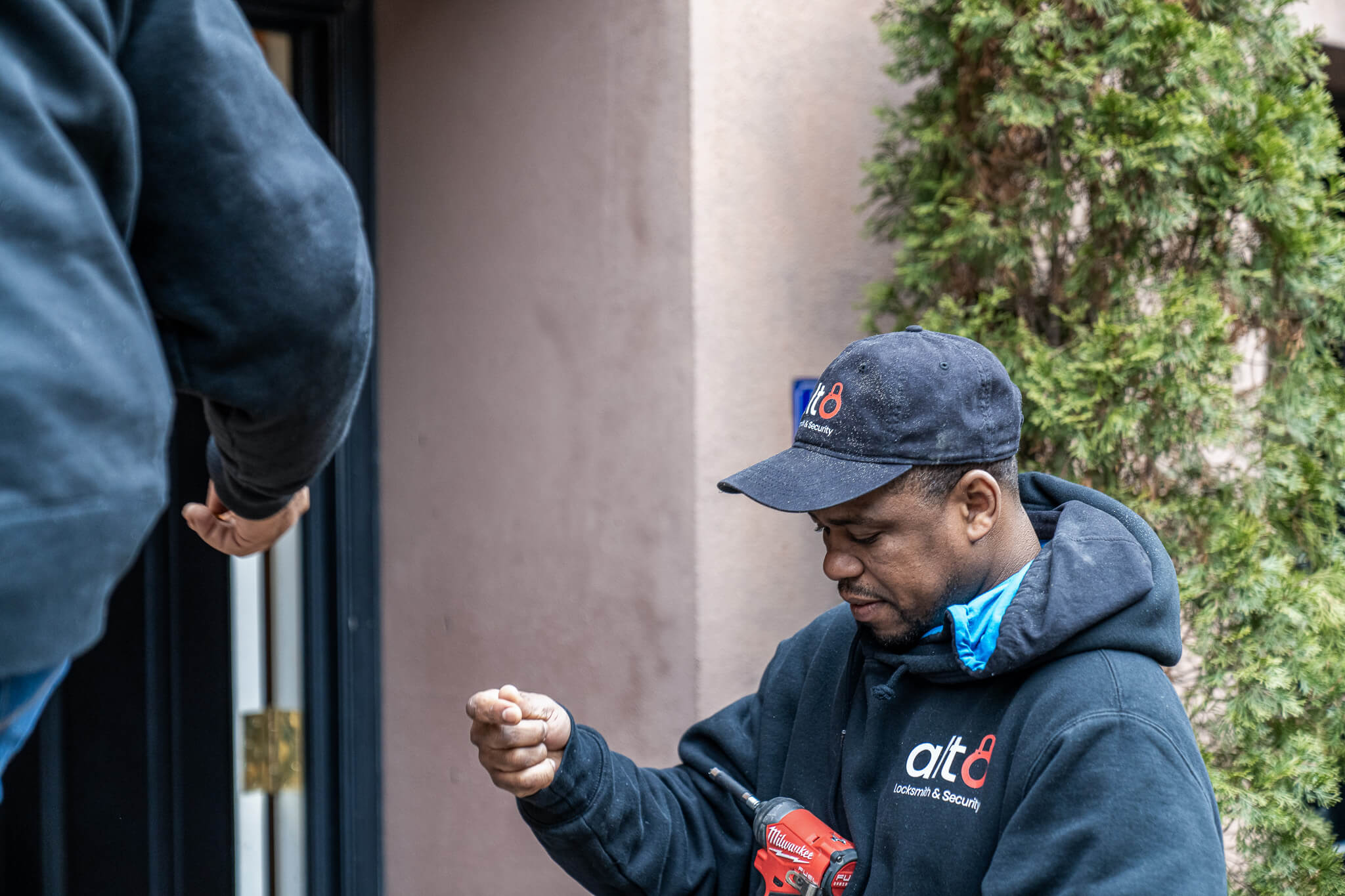
4. Entry. In the majority of NYC lockouts, a skilled locksmith uses non-destructive methods — lock picking with professional tools, bypass techniques, or manipulation of the locking mechanism — to open the door without any damage to the lock or door frame. Drilling is a last resort reserved for severely damaged or certain high-security locks.
5. Lock check. After you’re back inside, a good technician briefly inspects the lock to confirm it’s working properly and explain what caused the lockout.
6. Additional services (optional). If you’d like, the technician can rekey the lock on the spot — particularly useful if the lockout was caused by lost keys. They can also replace a damaged lock or provide a security recommendation.
7. Payment. Payment is collected after the job at the price quoted upfront. A professional company accepts cards, not just cash.
The Difference Between a Good Emergency Locksmith and a Bad One
It comes down to six things:
| Factor | Legitimate Locksmith | Scammer |
|---|---|---|
| Pricing | Flat-rate quote upfront, over the phone | Vague until arrival, then inflated |
| Licensing | Provides DCWP license number | Deflects or gets angry |
| Vehicle | Marked van with company name | Unmarked vehicle |
| ID verification | Always asks for yours | Often skips it |
| Techniques | Non-destructive in most cases | Claims drilling is “required” immediately |
| Payment | Accepts cards, provides receipt | Cash only, no receipt |
How to Prevent Future Lockout Emergencies in NYC
Once you’ve been through a lockout once, most people immediately look for ways to make sure it never happens again. Here are the most effective options for NYC residents:
Get a spare key made and leave it with someone trustworthy. A neighbor you trust, a family member nearby, or a close friend. This is still the single most effective lockout prevention strategy. A duplicate key costs $5–$25, and a professional locksmith can make a copy on the spot after your lockout call.
Install a key lockbox. A combination lockbox mounted near your door allows you to store a spare key securely. Popular with Airbnb hosts and NYC apartment dwellers alike.
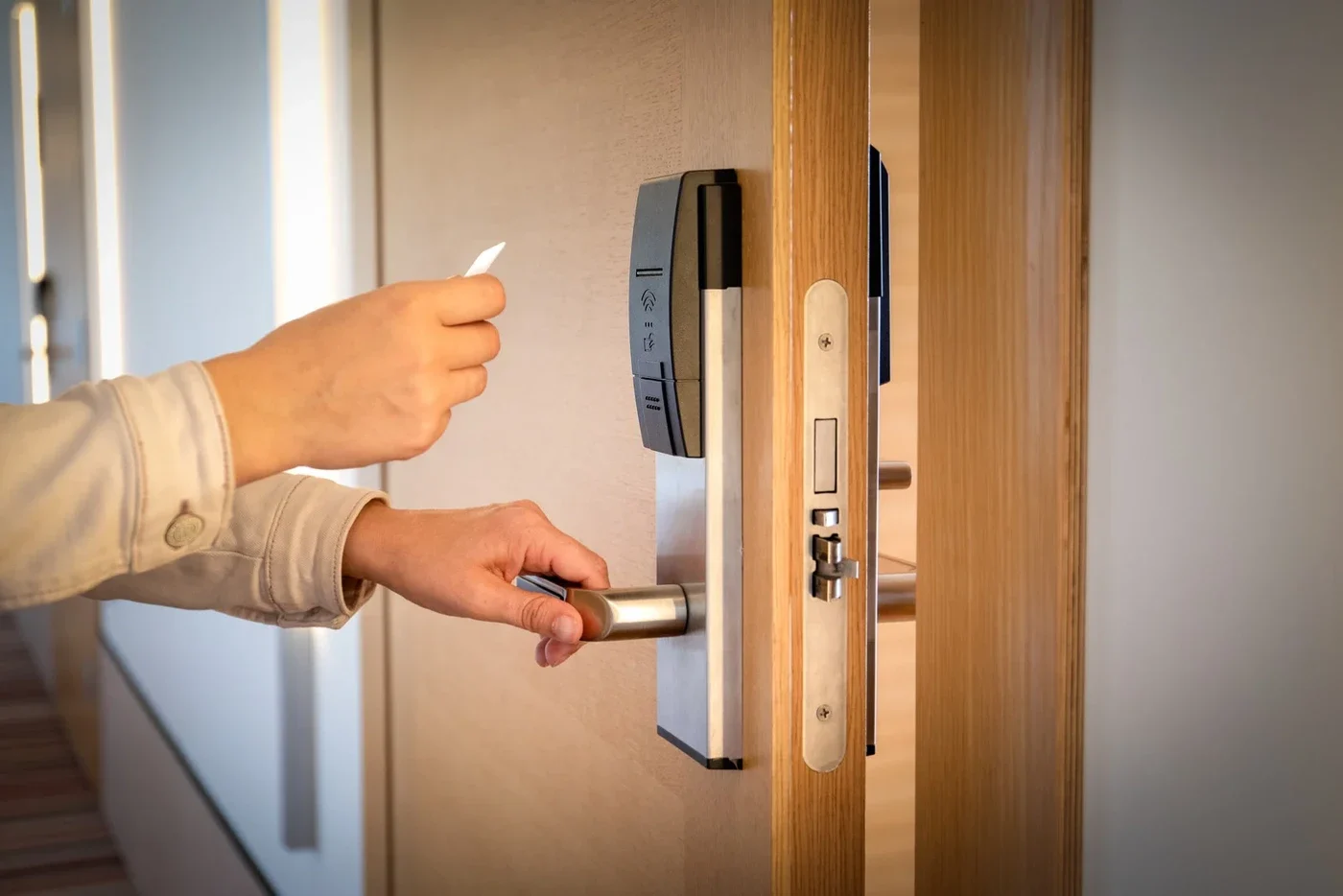
Upgrade to a smart lock. Smart locks allow keyless entry via a PIN code, smartphone app, or fingerprint. If you leave your keys inside or lose them, you simply use the app or code to unlock the door. Modern smart locks for NYC apartments range from $100 to $350 installed, and Alto Locksmith can install one same-day.
Create a “key habit.” Put a hook directly inside your front door, at eye level, specifically for your keys. The habit of hanging keys the moment you walk in eliminates the vast majority of accidental lockouts. It sounds simple because it is — and it works.
Locks that stick, jiggle excessively, or feel stiff are heading toward failure. A locksmith can service a lock cylinder with lubricant and minor adjustments for a nominal cost, preventing the kind of malfunction that traps you outside unexpectedly.
FAQs — Emergency Locksmith NYC
Should I call 911 if I’m locked out of my apartment in NYC?
No. The NYPD does not respond to standard lockouts. 911 is reserved for emergencies involving injury, imminent danger, or active crimes. Call your building superintendent first, then a licensed locksmith. The only lockout scenario where 911 may be appropriate is if someone is in immediate danger inside the locked property.
Can a locksmith open my door without damaging the lock?
In most cases, yes. Professional locksmiths are trained in non-destructive entry techniques — lock picking, bypass methods, and manipulation tools that open locks without drilling, breaking, or leaving marks. Drilling is a last resort. If a technician immediately insists on drilling, that’s a red flag.
What if I don’t have ID when I’m locked out?
If you don’t have photo ID with you, a lease agreement, utility bill, or mail addressed to you can serve as verification. A locksmith cannot open a lock without identity verification — it’s a legal and safety requirement.
Is emergency locksmith service more expensive at night?
Many companies charge an after-hours surcharge (typically $25–$75) for calls between 10 PM and 8 AM. A reputable locksmith always discloses this upfront before dispatching.
How do I know if a locksmith is a scammer before they arrive?
Warning signs include no flat-rate quote, refusal to provide a license number, extremely low advertised prices, or no real business address. If you see any of these, avoid them.
What are my rights if my landlord illegally changed my locks in NYC?
A landlord cannot legally change locks without a court order. You can call a locksmith, file a complaint with Housing Court Emergency Part, and report via 311 for harassment.
Can Alto Locksmith open any type of lock?
Yes — including residential, commercial, automotive, smart locks, high-security cylinders, and more used across NYC.
Why Alto Locksmith & Security for Your NYC Emergency
Alto Locksmith & Security provides 24/7 emergency locksmith service across all five boroughs of New York City — Manhattan, Brooklyn, Queens, the Bronx, and Staten Island. When you call us:
- A real person answers, around the clock
- You receive an honest, upfront flat-rate quote before we dispatch
- A licensed, insured technician arrives in 15–30 minutes in most areas
- We use non-destructive entry methods in the vast majority of cases
- We never charge hidden fees or demand cash-only payment
Whether you’re locked out of your Harlem apartment at midnight, your keys are stuck in the ignition in Long Island City, or you need emergency lock replacement after a break-in in Bay Ridge. we’re the call that solves the problem.