When your key turns but the door won’t open, the lock is doing half its job, but the part that pulls the latch or bolt back has failed or jammed. Most of the time it comes down to a worn cylinder, a broken cam, or a door that has shifted out of line with its frame. Stay calm and avoid forcing anything, and read the checks below before you call an emergency locksmith in NYC.
Why Your Key Turns But the Door Won’t Open
The key turning is a good sign in a strange way. It means the pins inside the cylinder line up and the plug is spinning as it should. The problem sits past that point, in the piece that carries the motion to the latch or the deadbolt. When that link breaks or binds, you get the same result every time. The key moves, and the door stays shut.
Here are the common reasons a key turns but the door won’t open:
- A worn or broken cam or tailpiece inside the cylinder, so the turning motion never reaches the bolt.
- A tired latch or deadbolt spring, which leaves the bolt stuck in the extended position.
- A misaligned strike plate, caused by a door that swelled, sagged, or settled over time.
- Loose set screws or a cylinder that has spun inside its housing.
- Grit, rust, or winter ice packed into the mechanism, common on street-facing doors.
Once you know it is a mechanical fault and not you doing something wrong, the next steps get easier.
What to Do the Moment Your Door Won’t Open
The worst move is to crank the key harder, since that is how keys snap off inside the lock and turn a small repair into a bigger one. Work through these calm steps first:
- Stop applying force and let the key rest in the neutral position for a moment.
- Push, pull, and lift the door slightly while you turn the key, which takes pressure off a binding latch.
- Notice whether the door sticks at the top or the bottom, since that points to alignment rather than the lock itself.
- Try the key gently in both directions, and feel for the point where it stops moving the bolt.
- On a storefront or an office door, check the panic bar or exit device, because the fault can sit there instead of in the cylinder.
If none of that frees the bolt, the hardware needs a technician rather than more muscle.
The Mistakes That Turn a Small Fix Into a Bigger One
Most doors that end up with a snapped key or a drilled cylinder started with a fault that was simple to repair. The damage came from the panic that followed. When a key turns but the door won’t open, avoid these moves that make matters worse:
- Forcing the key with pliers for extra grip, which bends or breaks it inside the plug.
- Spraying oil-based lubricant into the keyway, since oil holds dust and gums up the pins over time.
- Slamming your shoulder into the door, which cracks the frame and knocks the strike further out of line.
- Prying the door edge with a screwdriver, which scars the jamb and rarely moves a seated bolt.
- Yanking a key you have already felt start to twist, since a key on the edge of failure will finish breaking under load.
Each of these adds a second problem on top of the first, and a broken key inside the cylinder often means the whole lock has to come apart.
Why Business and Home Door Locks Need Different Solutions
The fix changes with the type of door, and this is where many people call the wrong help.
Business and storefront doors
Commercial doors take far more use than a home door, often hundreds of cycles a day, so their hardware wears out faster and fails harder. Storefronts and offices run on mortise locks, panic bars, and heavier deadbolts, and a single stuck door can shut down sales or lock staff out of a shift. When a key turns but the door won’t open on a business, the cost is measured in downtime, not just inconvenience. Faulty commercial door locks also tie into code, since exit devices must open on one push during an emergency, so a jammed commercial door is a safety matter as well as a lock problem.
Homes and apartments
Home doors fail in quieter ways. Older apartments and brownstones across the city carry mortise locks and deadbolts fitted decades ago, and the wood frames around them move with the seasons. A door that opened fine in winter can bind in humid summer once the frame swells. For a home, the risk is being stuck outside late at night or locked in during a fault, which is why a spinning key that does nothing should be looked at without delay.
Why Old NYC Buildings Make This Problem Worse
New York adds its own twist to this fault. A large share of the housing and commercial stock here predates modern hardware, so worn cylinders and settled frames are common. Wood doors swell in summer humidity and shrink in winter, which throws the latch out of line with the strike. Street-level doors and storefront gates face rain, road salt, and freezing nights, and that grit works its way into the mechanism. Heavy foot traffic on commercial entrances grinds down cams and springs that were never built for that many cycles. All of this means a key turns but the door won’t open far more often in an aging building than in new construction.
When DIY Lock Repair Can Cause More Damage
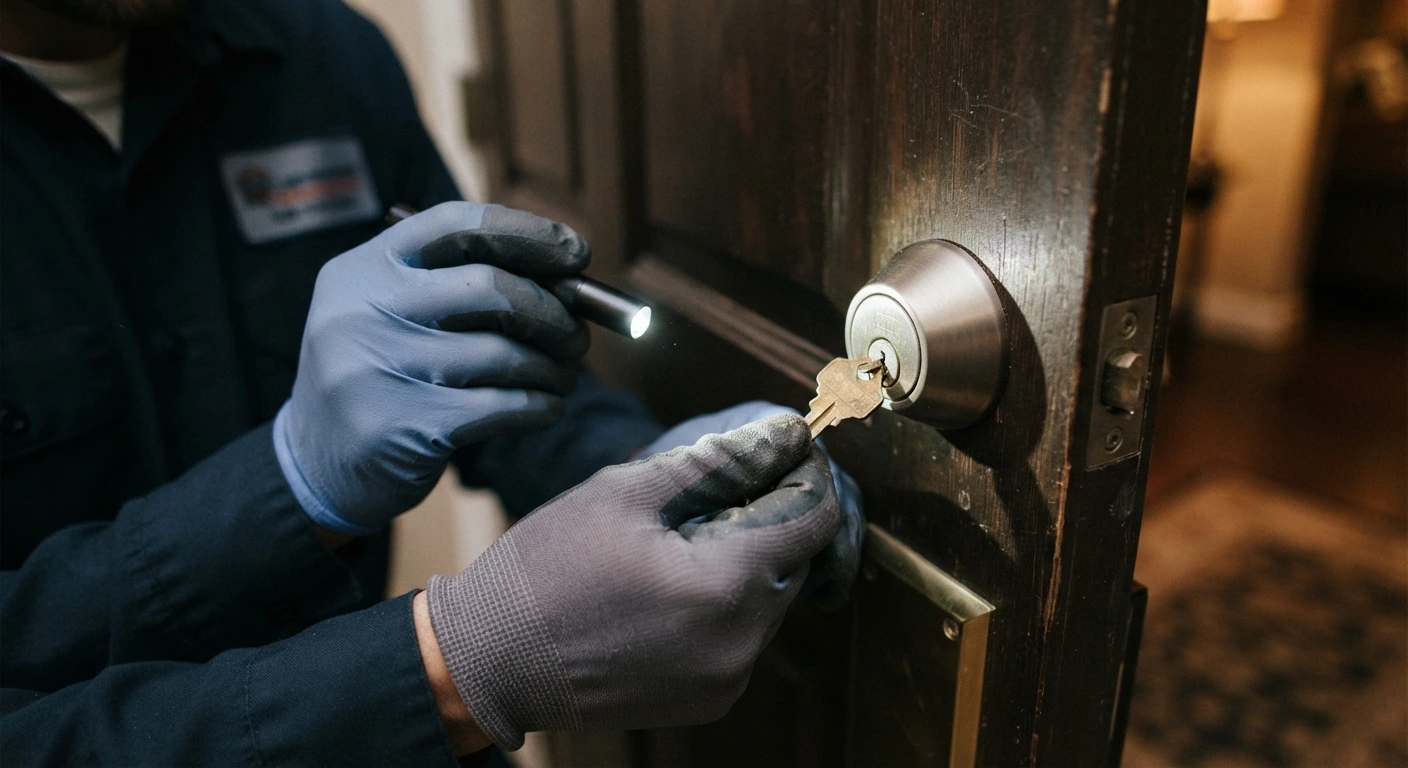
There is a point where more effort causes damage instead of progress. Stop and make the call when the key feels like it is about to bend or snap, when the bolt will not shift no matter how you angle the door, when the stuck door belongs to a business and is holding up your day, or when you are locked inside and cannot get out. That last one is a safety issue, not a repair to test on your own. In these moments, an emergency locksmith in NYC opens the door without wrecking it, then finds whether the cylinder, the latch, or the alignment caused the fault.
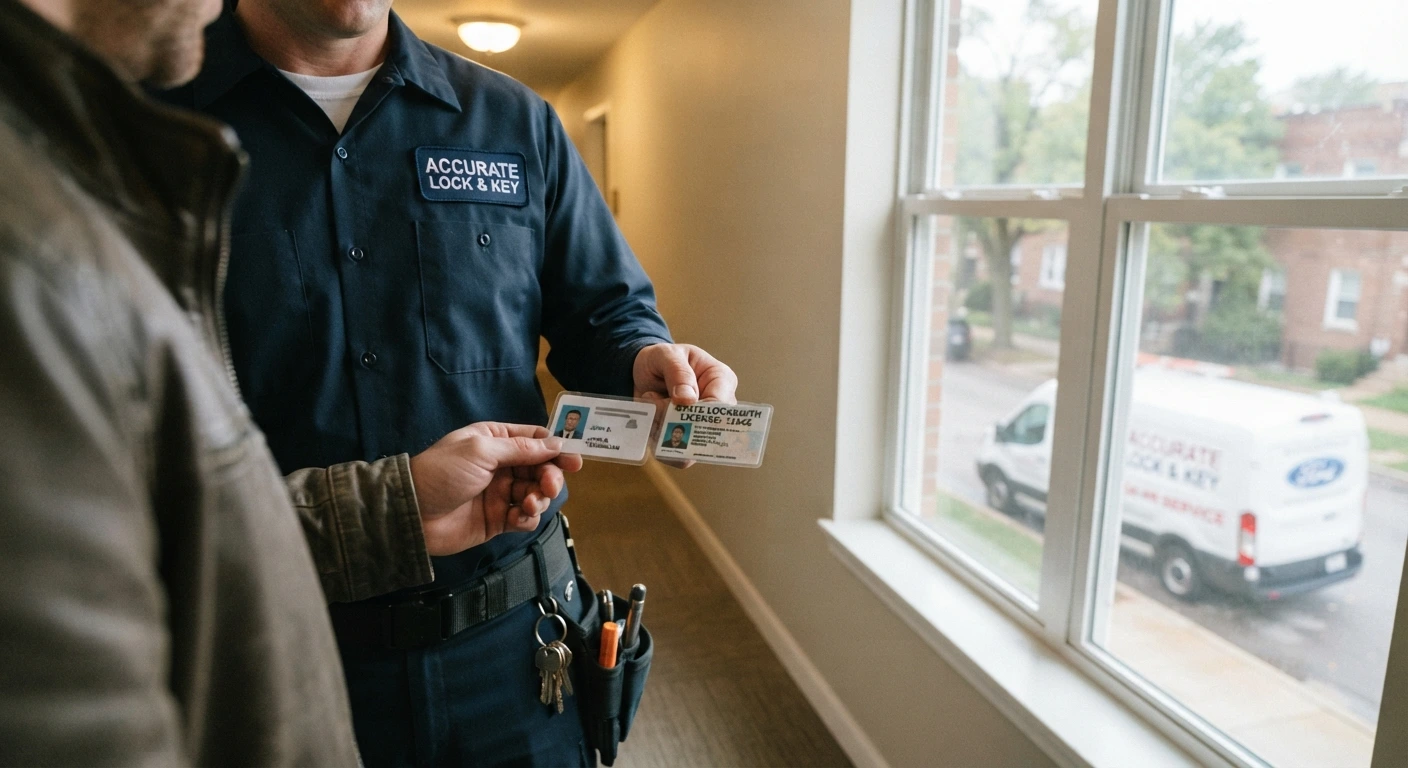
Licensing matters here too. New York City requires locksmiths to hold a license from the Department of Consumer and Worker Protection, so you can confirm the person you call is qualified before they touch your door. When a failed cylinder cannot be saved, a professional handles the lock installation in NYC on the spot, so you are not left with an open door once it is finally freed.
How a Locksmith Fixes a Key That Spins Without Opening
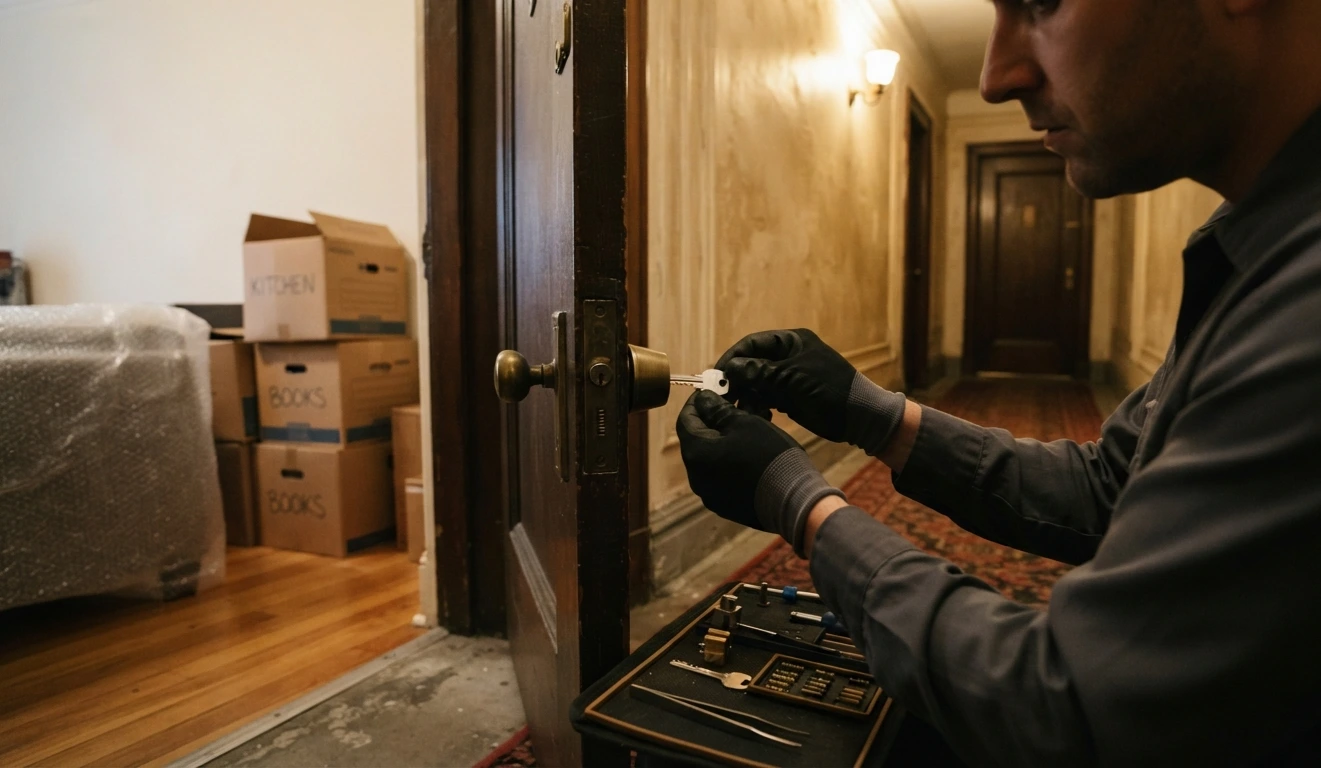
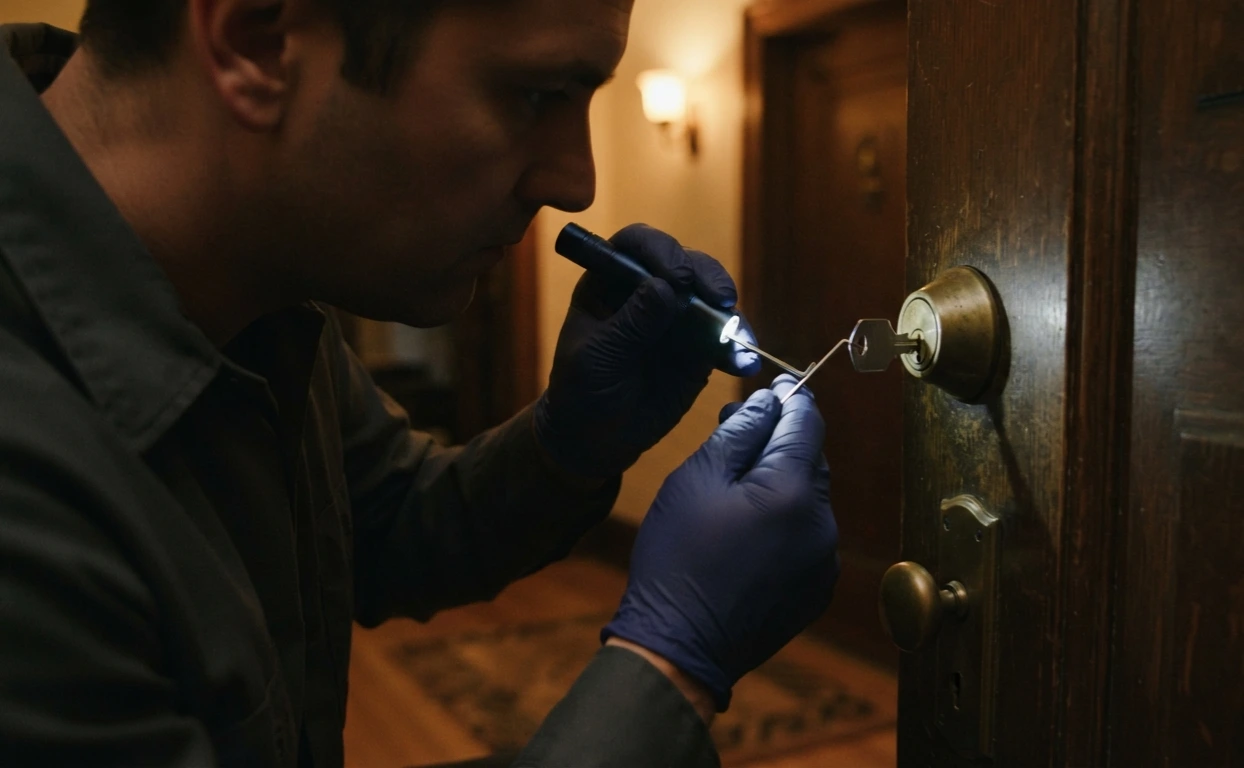
A trained locksmith works the problem in order rather than guessing. First comes the diagnosis, telling apart a broken cam, a dead latch spring, and a door that has drifted out of alignment. If a key has snapped inside, the technician extracts it without harming the cylinder. From there, the fix depends on the cause. A worn cylinder gets re-pinned or replaced, a failed deadbolt gets swapped for a fresh one, and a misaligned door gets the strike plate adjusted so the bolt seats cleanly again. The goal is a door that opens on the first turn and keeps doing so, whether it guards a family apartment or a busy storefront.
Keeping High-Use Doors From Jamming Again
Prevention costs far less than an emergency callout, and it matters most on the doors that get the heaviest use. A little upkeep keeps a key-turns-but-the-door-won’t-open moment from repeating on your busiest entrance:
- Clean and dry-lubricate the keyway twice a year with a graphite or PTFE product, not oil.
- Check the strike plate alignment each season, since frames shift with heat and cold.
- Replace a cylinder at the first sign of a sticky or gritty turn, before it fails outright.
- On commercial entrances, put high-cycle exit devices and deadbolts on a service schedule.
- Fit a heavier grade of hardware on storefront and office doors that see hundreds of daily cycles.
For a business, this small routine protects against the lost hours that come with a locked entrance during trading time.
What the Repair Costs in Time and Money
People often stall on a stuck door because they fear a large bill, yet the early fix is the cheap one. A jammed latch or a misaligned strike is a short visit. A snapped key that has been forced deeper, or a cylinder drilled out after hours of prying, turns into a longer and pricier job. A licensed emergency locksmith in NYC gives a clear price before the work starts, so the choice is yours with the numbers in front of you. The pattern holds across homes and businesses. The sooner the door is looked at, the smaller the repair.
People Also Ask About a Key That Turns But Won’t Open
Why does my key turn but the door still will not open? The turning key shows the cylinder pins are lining up, so the fault sits past the cylinder. A broken cam, a stuck latch or deadbolt spring, or a strike plate knocked out of line is usually the cause, and each stops the turning motion from pulling the bolt back.
Can I fix a key that spins without opening the door myself? You can try gentle steps like lifting the door while you turn the key, or checking whether it sticks at the top or bottom. When the bolt still will not move, stop before the key snaps and call an emergency locksmith in NYC, since forcing it usually turns a small repair into a full lock replacement.
Is a stuck door a lock problem or a door problem? It can be either. If the key turns freely but the bolt will not budge, the lock is the likely cause. If the door drags at the top or bottom and the bolt catches the strike, the door has shifted in its frame, and the alignment needs correcting.
How fast can a locksmith open a jammed door in NYC? A mobile locksmith with a stocked van can often reach you within the hour across Manhattan, then open the door without damage and repair or replace the failed part on the same visit.
Will forcing the key damage the lock? Forcing it is the main reason a small fault becomes an expensive one. A key under strain snaps inside the plug, and removing a broken key plus a ruined cylinder costs far more than the original repair.
Get That Door Open Before It Locks You Out for Good
A key turns but the door won’t open rarely fixes itself, and every hard turn brings a snapped key or a damaged lock closer. The safe move is to reach a licensed team fast, before a stuck bolt traps you outside your home or shuts the doors on your business. Alto Locksmith & Security is a licensed team serving homes and businesses across Manhattan and the wider city, on call 24 hours a day, and trained to open a jammed door without breaking it. When your door will not budge, reach out to Alto Locksmith & Security and get it open the right way.