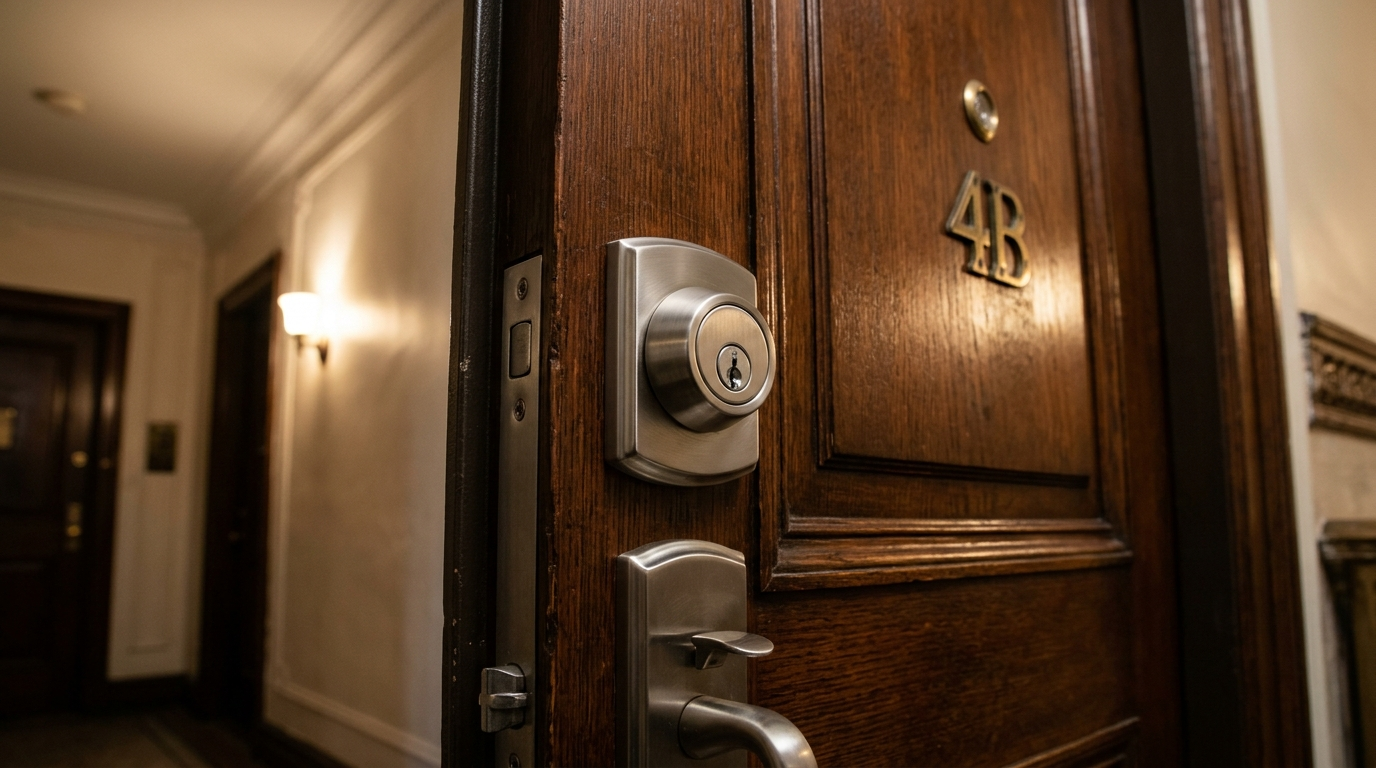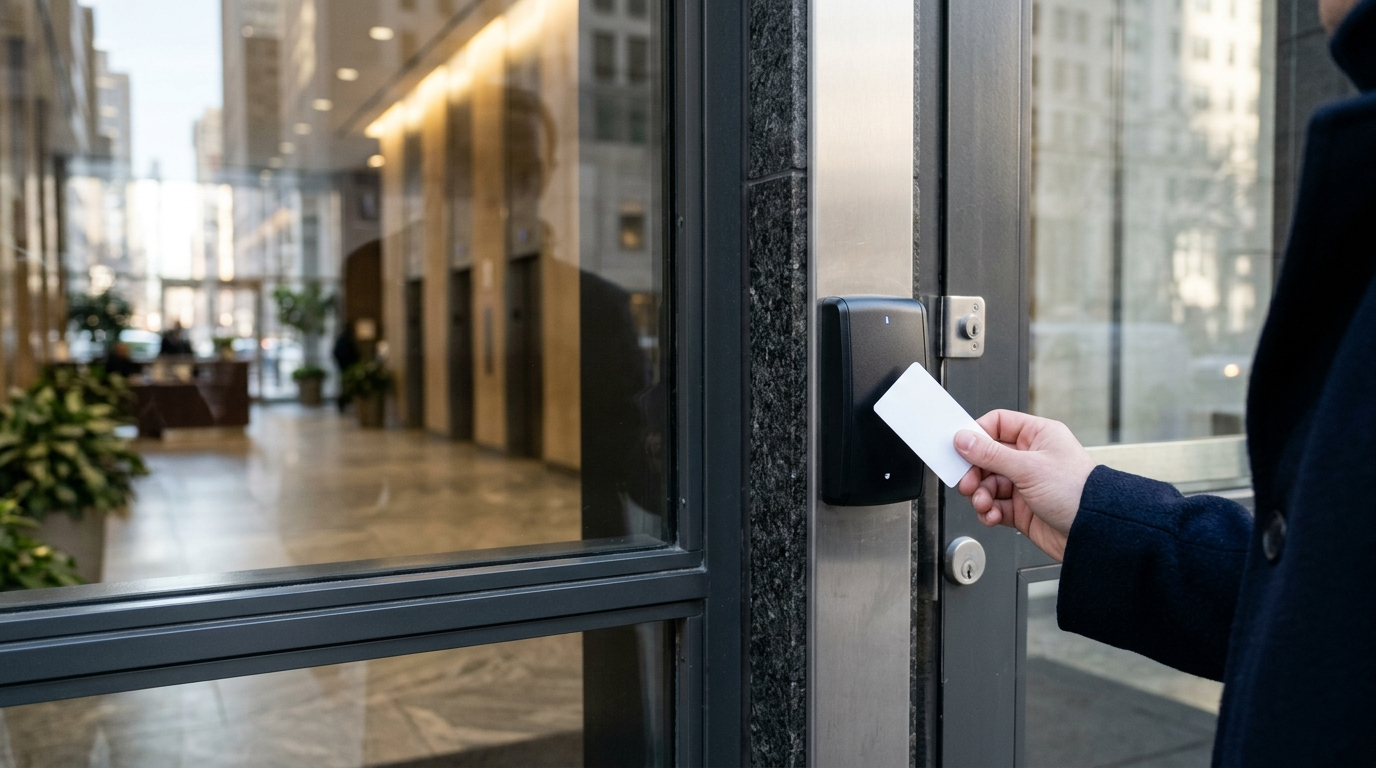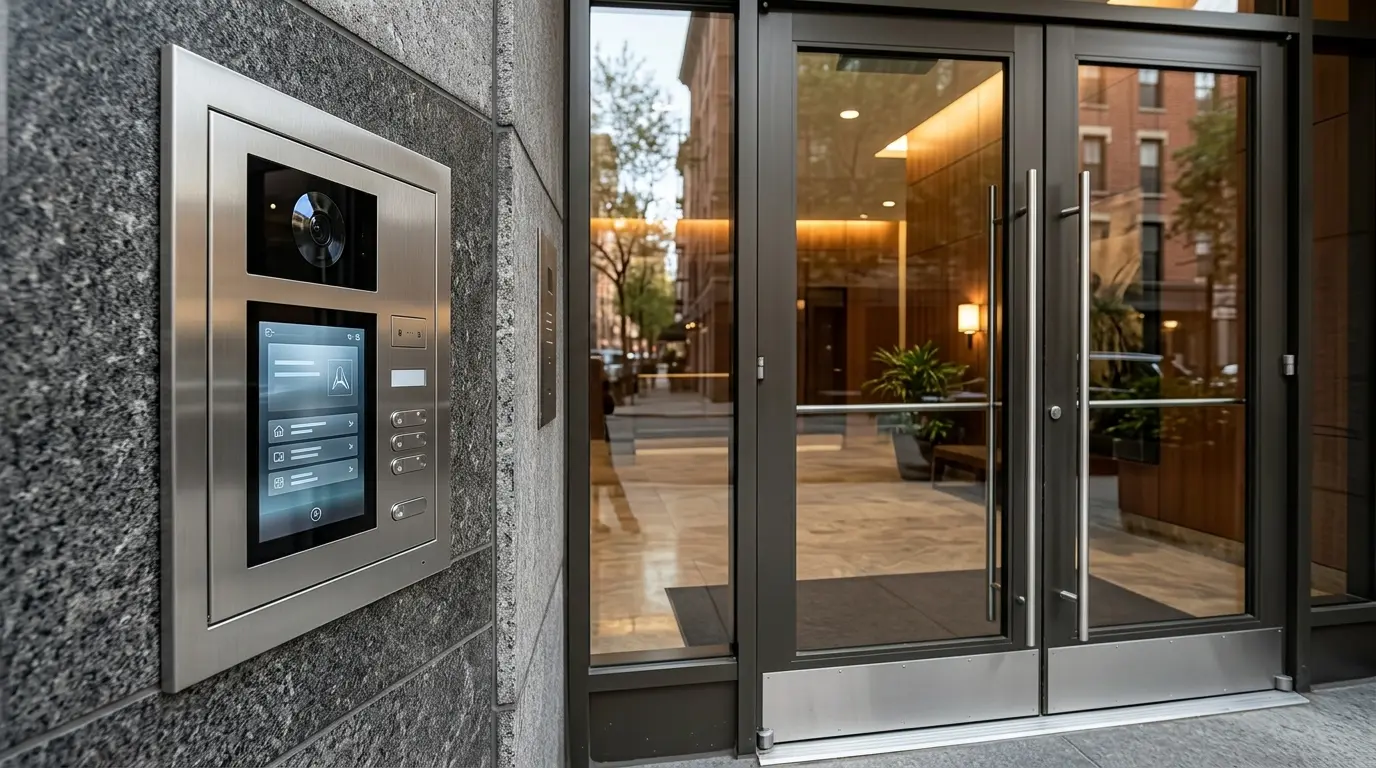

Most New Yorkers rarely ask to see a locksmith’s license until the door is open, and the bill is in their hand. The city treats lock work as a licensed trade because locksmiths can open locked doors, cut master keys, and control who gets into a home or shop. Licensing gives customers a clear way to confirm that the person at the door is trained, accountable, and legally allowed to do the job.
Right now, any NYC locksmith must carry a personal license from the Department of Consumer and Worker Protection (DCWP). The personal license system ends on May 31, 2027. Local Law 183 of 2025 then moves the license to the locksmith business and adds new rules for the technician at your door. The update affects locksmith owners, technicians, and apprentices across all five boroughs. Customers will also see new proof of licensing at the door, from license numbers on work vans to signed authorization forms.
NYC Locksmith License Rules Today
Current rules stay in force until DCWP stops licensing individual locksmiths on May 31, 2027. Until that date, technicians and apprentices need a valid personal license to work anywhere in the city.
Who Needs the Current License
DCWP requires a license for anyone paid to install, repair, or open locks by mechanical means. Servicing, inspecting, and closing locks fall under the same rule. Trainees hold a separate Locksmith Apprentice License and must work for a DCWP-licensed locksmith while they learn. The apprentice license lasts up to 36 months, and the trainee must then apply for a full locksmith license to keep working.
Qualifications DCWP Accepts
Applicants must prove their locksmith skills before DCWP approves a license. Any one of these proofs is accepted:
- Two recommendation certificates signed by DCWP-licensed locksmiths
- Local 74 SEIU letter confirming a finished locksmithing course, plus one certificate
- School certificate for a completed locksmithing course
- Associated Locksmiths of America (ALOA) professional certification
The application package also needs a photo ID and a current passport-size photo. Most applications go through DCWP’s online portal, and in-person appointments are kept for hardship cases.
Fees and the Odd-Year Renewal Cycle
All locksmith licenses expire on May 31 of odd-numbered years, regardless of the issue date. DCWP prorates the fee to match the time left in the cycle. Full 24-month terms cost $100, and licenses filed late in the cycle cost as little as $25. Renewals cost $100 and must reach DCWP at least 15 days before the license expires.
The 2027 change replaces this entire personal license system with a new business license.
Local Law 183 and Locksmith License Change in 2027
Local Law 183 of 2025 became law on December 12, 2025, as part of a citywide push to simplify licensing and lower costs for small businesses. DCWP licenses more than 45,000 businesses in over 45 industries, and the new law rewrites the locksmith rules in full.
Licenses Move From the Person to the Business
Starting May 31, 2027, the license belongs to the locksmith business instead of the individual technician. The law defines a locksmith business as a sole proprietorship, partnership, or company that offers locksmith services. Technicians can only do lock work as owners, employees, or contractors of a licensed business.
The new structure also cuts costs for larger shops. Today, a team of 10 locksmiths pays $1,000 per two-year cycle because all 10 need a $100 personal license. After the change, the same team pays one biennial fee of $100 for the business license.
Fingerprinting Ends for Locksmiths
Locksmith applicants go through fingerprinting today for a criminal history check. Local Law 183 removes that step for three license types:
- Locksmiths
- Process servers
- Secondhand dealers
City officials told the Council that fingerprinting slowed new small businesses without adding real consumer protection. The agency now relies on penalties, suspensions, and revocations to enforce its rules. Criminal history still matters after the change, and DCWP can refuse a business license over a related conviction.
Lock Manufacturers Leave the License System
Before May 31, 2027: Companies that manufacture locks need a DCWP license.
From May 31, 2027: Lock manufacturers no longer need a city license.
The change applies to manufacturing only. Anyone who opens, repairs, or installs locks for pay still needs to work under a licensed locksmith business.
Smart and Electronic Locks Join the Definition
The current license covers lock work done by mechanical means. The new law widens the definition of locksmith work to three lock groups:
- Mechanical Locks: Deadbolts, mortise locks, and cylinders stay covered as before.
- Electrical Locks: Magnetic locks and electric strikes now fall inside the licensed trade.
- Electromechanical Locks: Keypads, card readers, and app-based smart locks are now covered as well.
This update matches the electronic hardware many New York homes and offices now use. Anyone offering smart lock installation for pay will need to operate under a licensed locksmith business from May 2027.
Apprentice Licenses End with the Old Rules
The new law repeals the old locksmith subchapter, and the Locksmith Apprentice License ends along with that subchapter. From May 31, 2027, trainees learn the trade as employees of a licensed locksmith business. DCWP may also require individual staff to register with the agency. Businesses must keep employee records in the format of DCWP sets.
Key Dates for the NYC Locksmith License Switch
The switch happens in stages over about 18 months. These four dates mark the full transition:
- December 12, 2025: Local Law 183 becomes law after the City Council approves the bill in November.
- September 8, 2026: Other parts of the law take effect. Locksmith rules stay the same for now.
- February 2027: DCWP posts the Locksmith Business license checklist and opens applications.
- May 31, 2027: Current locksmith licenses reach their regular odd-year expiry on this date and will not renew. Individual locksmith and lock manufacturer licenses end, and the business license rules take effect.
Customers will start seeing business license numbers on websites, vans, and tool kits from June 2027. Before that date, technicians continue to show personal DCWP licenses.
Locksmith Business License Rules After May 2027
The license moves to the business, but the duties at the door stay with the technician. These rules apply to both the company and the NYC locksmith doing the work.
Duties of the Licensed Business
Licensed locksmith businesses take on five clear responsibilities under the new law:
- Make sure all technicians follow city locksmith rules
- Keep employee records in the format DCWP requires
- Display the license where customers can see it at the business premises
- Post the license number on the company website
- Show the license number on work vans and tool kits
The website rule gives customers a quick way to confirm a business before they call. Matching numbers on the van and tool kit then confirm the technician belongs to that company.
Duties of the Technician at the Door
Before opening a lock away from the shop, the technician must show you a copy of the locksmith business license. The technician must also make a good faith effort to check your ID and confirm you own the property or have permission to open the lock. You then sign a DCWP form stating that you are authorized to have the item opened.
Ask for the license before your next locksmith opens the door and expect an ID check right after. Our technicians at Alto Locksmith & Security already follow both steps on all lockout calls, ahead of the 2027 deadline.
Locksmiths also keep a record book of lockout openings and master key orders. The book lists the customer’s name and address, date and time, and the method used to verify identity. DCWP inspectors and police can review these records with proper notice.
Key Stamping and Master Key Rules
All keys cut by a locksmith must carry the business name and address, or license number. Master keys follow stricter rules under the new law:
- Stamped with the word “master”
- Made only by a licensed locksmith business
- Duplicated only with a signed order from the lock owner or an authorized agent
Property managers who run a master key system should plan for that signed approval when ordering extra keys. Keeping the owner’s written authorization on file makes future key orders faster to process.
Grounds for Refusal or Revocation
DCWP can refuse, suspend, or revoke a locksmith business license after notice and a chance to be heard in two situations:
- Related criminal convictions of owners, staff, or anyone with over 10% ownership
- More than 3 violations of the locksmith rules or consumer protection law in 2 years
Conviction reviews follow Article 23-A of New York’s Correction Law. That law requires the agency to weigh the link between the offense and the duties of the license.
Licensed Locksmith Checks for NYC Customers After 2027
Customers keep the same protections after the change, but the proof you see at the door will look different. Use these checks when any NYC locksmith arrives for a job.
| Check | What You Should See After May 31, 2027 |
| License | Copy of the company’s DCWP locksmith business license, shown before work starts |
| License number | Listed on the company website, work van, and tool kit |
| Authorization | ID check, proof of ownership, and a signed DCWP form |
| Keys | Stamped with the business name and address or license number |
Any missing item on this list is a reason to pause before the work begins. Licensed businesses expect these questions and answer them without hesitation.
Ways to Verify a Locksmith Business License
- Find the license number on the company website before you call.
- Search that number in the city’s public DCWP license records or confirm it through 311.
- Compare the number on the van and tool kit with the one online.
- Ask to see the business license copy before any work starts.
- Confirm the license number on the copy matches the one on the company website.
Fake listings and bait pricing still cause problems for New Yorkers, and our guide to locksmith scams in NYC covers the warning signs in detail. Running these five checks takes only a few minutes and protects your home, your property, and your money.
Next Steps for NYC Locksmiths Before May 2027
Locksmiths who prepare now can move into the new system without a gap in service. These steps follow the order of the transition, from planning to the day the license arrives.
Before Applications Open
Start by choosing the business structure you will license. Sole proprietorships, partnerships, and companies all qualify as locksmith businesses. Solo locksmiths need the business license too because the personal license disappears for all locksmiths. Staff names and contact details are worth gathering now in case DCWP requires employee registration.
Once Applications Open in February 2027
DCWP plans to post the Locksmith Business checklist and start accepting applications in February 2027. The agency lists these licensing changes on its New Laws and Rules page and advises businesses to check back for updates. Filing early leaves room to fix missing documents before the May 31 deadline. Locksmiths who file in the final weeks risk a stretch without legal authorization to work.
After the License Is Issued
Once the license arrives, these updates bring your business in line with the new rules:
- License number added to the website
- License number on all vans and tool kits
- License displayed at the business premises
- Record book and authorization forms ready for lockouts
- Key stamping set up with the business details
Shops that finish these updates early can show customers proof of compliance from the first day. Any NYC locksmith working without a business license after May 31, 2027, risks penalties and the loss of customer trust.
FAQs
Do locksmiths need a license in NYC?
Locksmiths in New York City need a DCWP license to install, repair, or open locks for pay. Personal licenses cover technicians until May 31, 2027. From that date, all locksmiths must work under a licensed locksmith business.
What is changing for NYC locksmith licenses in 2027?
Local Law 183 replaces individual locksmith licenses with a $100 business license that lasts two years. Fingerprinting ends, lock manufacturers no longer need licenses, and the definition of locksmith work expands to cover electronic and smart locks.
Does New York State require a locksmith license?
New York has no statewide locksmith license. Local governments handle licensing instead, and New York City runs its own program through DCWP. Nassau County also issues a separate locksmith license for work within its borders.
What happens to current NYC locksmith licenses in 2027?
Current personal locksmith licenses reach their regular odd-year expiry on May 31, 2027. DCWP will not renew them after that date. Technicians must then work under a licensed locksmith business, and applications for that license open in February 2027.
Can an out-of-state locksmith work in NYC?
Out-of-state locksmiths can use a license from another US jurisdiction as proof of skill when applying for a DCWP license today. After May 31, 2027, any NYC locksmith must own or work for a locksmith business licensed by DCWP.
The Bottom Line
New York City still requires licensed locksmiths, and that rule continues after 2027 in a new form. The license moves from the person to the business on May 31, 2027. Duties at the door also become clearer and easier for customers to confirm. Before any NYC locksmith starts work, ask for the business license, check the number online, and expect a signed form for any lockout.
Alto Locksmith & Security handles all lock work licensed and insured under New York City rules. Our background-checked technicians quote one price before any tool comes out. We start with non-destructive entry to keep your lock and door intact, and we never add a charge for nights, weekends, or holidays.
Call us for your next lockout, rekey, or business lock job, and get service that meets the 2027 standard today.