A renovation brings new life to your apartment, but it also means handing access to people you may have only just met. Strong key control in NYC comes down to a few simple habits, including limiting who receives a key, using keys that cannot be copied or temporary access codes, and tracking every key from the first day of work. Once the project ends, rekeying your locks makes sure no old key can open your door again.
Renovations rarely involve just one person. A single kitchen or bathroom project can bring in a general contractor, subcontractors, electricians, plumbers, and delivery crews over several weeks or months. Each new face is another person who may ask for a key, and every key that leaves your hands is a key you need to account for.
New York City apartments add another layer to the process. Doormen, supers, shared entrances, and co-op or condo rules all affect how contractors get in and out of your building. Planning access early keeps the project moving and keeps your home secure from start to finish.
Why Contractor Key Control Matters During a Renovation
A key gives someone full access to your home, often while you are at work or away. During a renovation, that access can spread further than most homeowners expect.
These are the most common key risks during an apartment renovation:
- Multiple trades and subcontractors
- Keys copied without your knowledge
- Long project timelines
- Shared building entrances
- Lost or misplaced keys
Burglary is down in the city, but it has not gone away. NYPD data shows New York City still recorded 12,777 burglaries in 2025, which is why every key that leaves your hands during a renovation deserves careful tracking.
How to Control Contractor Keys Before Work Begins
The best time to plan key control in NYC is before the first crew arrives. These steps set clear rules for access so you stay in control throughout the project.
Decide Who Actually Needs Access
Start by listing everyone who will work in your apartment and when. Many trades only need access on certain days, and some can work entirely while you or building staff are present. The fewer people who hold a key, the easier it is to keep track of them.
Most renovations bring more people through your door than you might expect. 91% of renovating homeowners hire professionals, and nearly half also bring in specialty providers like electricians and plumbers, so the number of people who need access can grow quickly.
Review Your Building’s Alteration Agreement and Access Rules
Most co-ops and condos require an alteration agreement before renovation work begins. This document often covers contractor access along with work hours, insurance, and other building rules. Before handing out any keys, check these points with your management office:
- Approved work hours
- Contractor sign-in rules
- Key holding policies
- Service elevator access
- Rules for changing apartment locks
Following these rules from the start prevents delays and keeps your building’s staff on your side. It also tells you which access options your building will and will not allow.
Limit the Number of Keys You Hand Out
Give one key to the general contractor instead of separate keys to every worker. The contractor then becomes responsible for letting subcontractors in and for returning the key when the job is finished.
Avoid handing out your own everyday key or a spare from your home set. A dedicated contractor key makes it clear which key is out, who has it, and when it should come back. Marking it with a simple tag or number also makes it easy to match against your key log throughout the project.
Use Restricted Keys That Cannot Be Copied
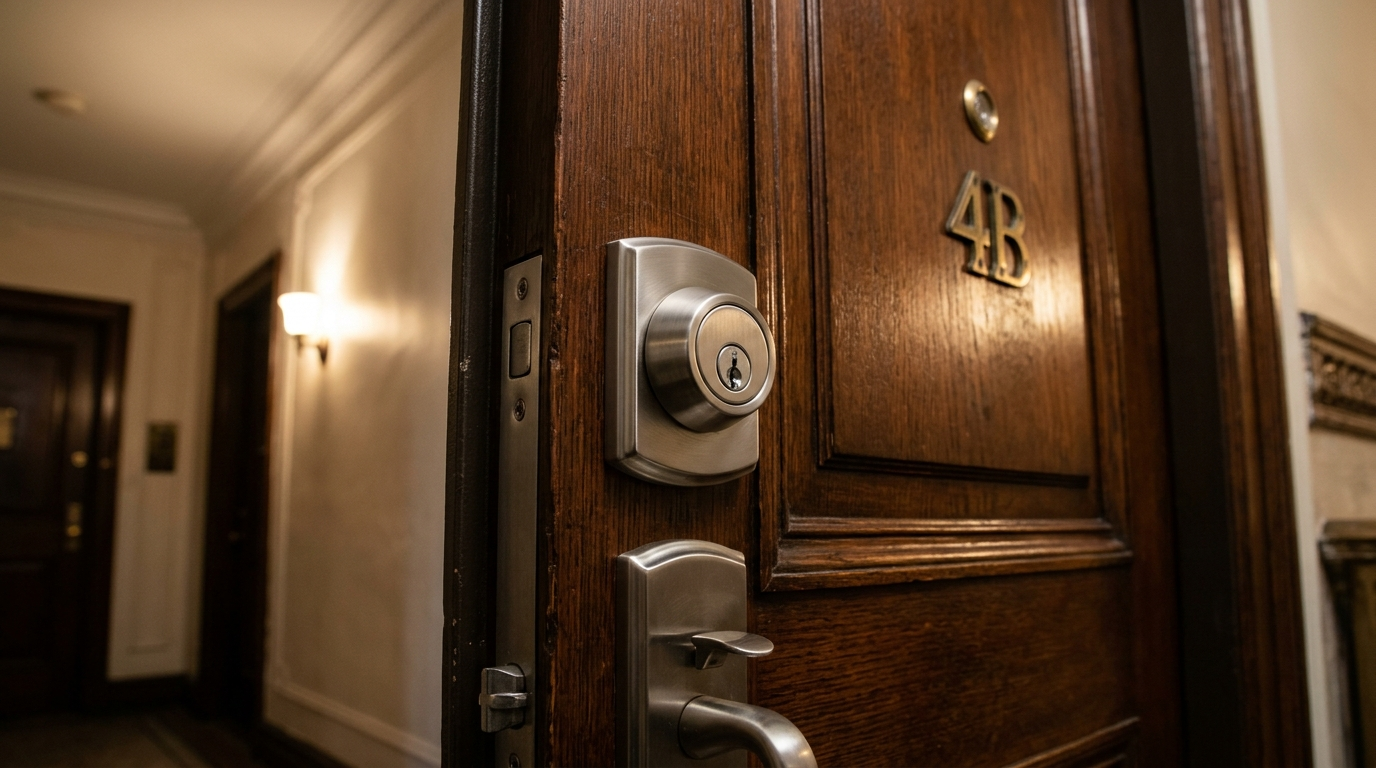
Standard keys can be duplicated at almost any hardware store in a few minutes. Restricted keys use a protected keyway that ordinary key machines cannot cut, which keeps unauthorized copies out of circulation. These locks protect your home in several ways:
- Copies are made only through authorized locksmiths
- Duplicates usually require owner approval
- High-security cylinders resist picking and bumping
Brands like Medeco and Mul-T-Lock offer restricted key systems that suit NYC apartment doors. Installing one before your renovation gives you confidence that the keys you hand out are the only ones that exist.
Consider Temporary Access Options
Temporary access lets contractors in without giving them a permanent key. Smart locks allow you to create a separate code for each contractor, limit it to work hours, and delete it the moment the job is done. Check your building’s rules first, since some co-ops and condos require approval before you change an apartment lock.
Temporary codes only protect your home when they are set up correctly. A 2025 survey of smart lock owners found that among people who planned to share an access code, only 36% change it right after use, and just 8% use temporary codes that expire automatically. During a renovation, that means scheduling each contractor’s code to end with their work, rather than relying on yourself to remember to delete it later.
Our team at Alto Locksmith & Security can set up both options before your project starts, from restricted keys to smart locks with codes you control from your phone. If you’re planning a renovation soon, get in touch with us and have secure access ready before the first crew arrives.
Key Control Options for Contractor Access
Each access method offers a different balance of convenience and security. The table below compares the most common options for NYC apartment renovations.
| Option | How It Works | Best For | Level of Control |
| Standard Keys | Physical copies handed to the contractor | Short jobs with one trusted contractor | Low, since copies are easy to make |
| Restricted High-Security Keys | Keys that only an authorized locksmith can duplicate | Longer projects with several trades | High |
| Smart Lock Codes | Unique codes you create, schedule, and delete | Projects with changing crews and schedules | High, with entry records on many models |
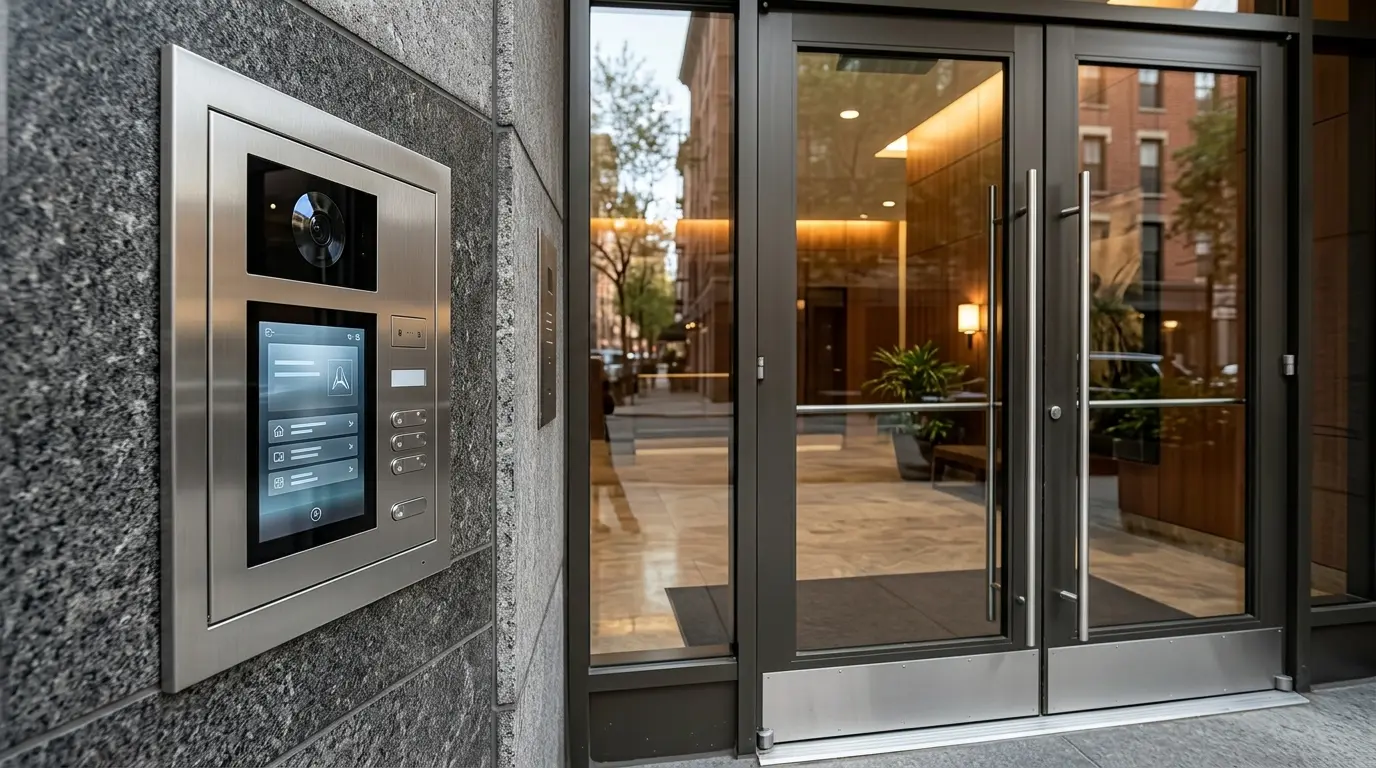
| Doorman or Front Desk Key Holding | Building staff hold the key and let workers in | Doorman buildings | Moderate to high, depending on building policy |
| Lockbox | Key stored in a coded box near the door | Brief access in buildings without staff | Low to moderate |
Restricted keys and smart lock codes offer the strongest control for most renovation projects. Combining one of them with your building’s front desk policy gives you a reliable record of who enters and when.
Best Practices for Managing Keys During the Renovation
Key control does not end once the work begins. A few steady habits keep access organized as crews come and go:
- Keep a Key Log: Record who has each key or code, the date it was issued, and when it should be returned.
- Coordinate With Your Doorman or Super: Share your approved contractor list so building staff know exactly who should be entering.
- Secure Valuables and Unused Rooms: Lock away jewelry, documents, and electronics, and close off rooms the crew does not need.
- Review Access as Trades Change: Remove codes or collect keys as soon as a trade finishes its part of the job.
- Collect Keys When Each Trade Finishes: Ask for keys back in person instead of leaving them with the next crew.
These habits take only a few minutes each week but prevent most access problems. They also make the final handover much simpler once the project is complete.
What to Do After the Renovation Ends
The last step of any project is closing every access point you opened. Good key control in NYC means treating the end of a renovation as seriously as the start.
Use this checklist once the final crew leaves:
- Collect every contractor key
- Rekey or replace your locks
- Delete all smart lock codes
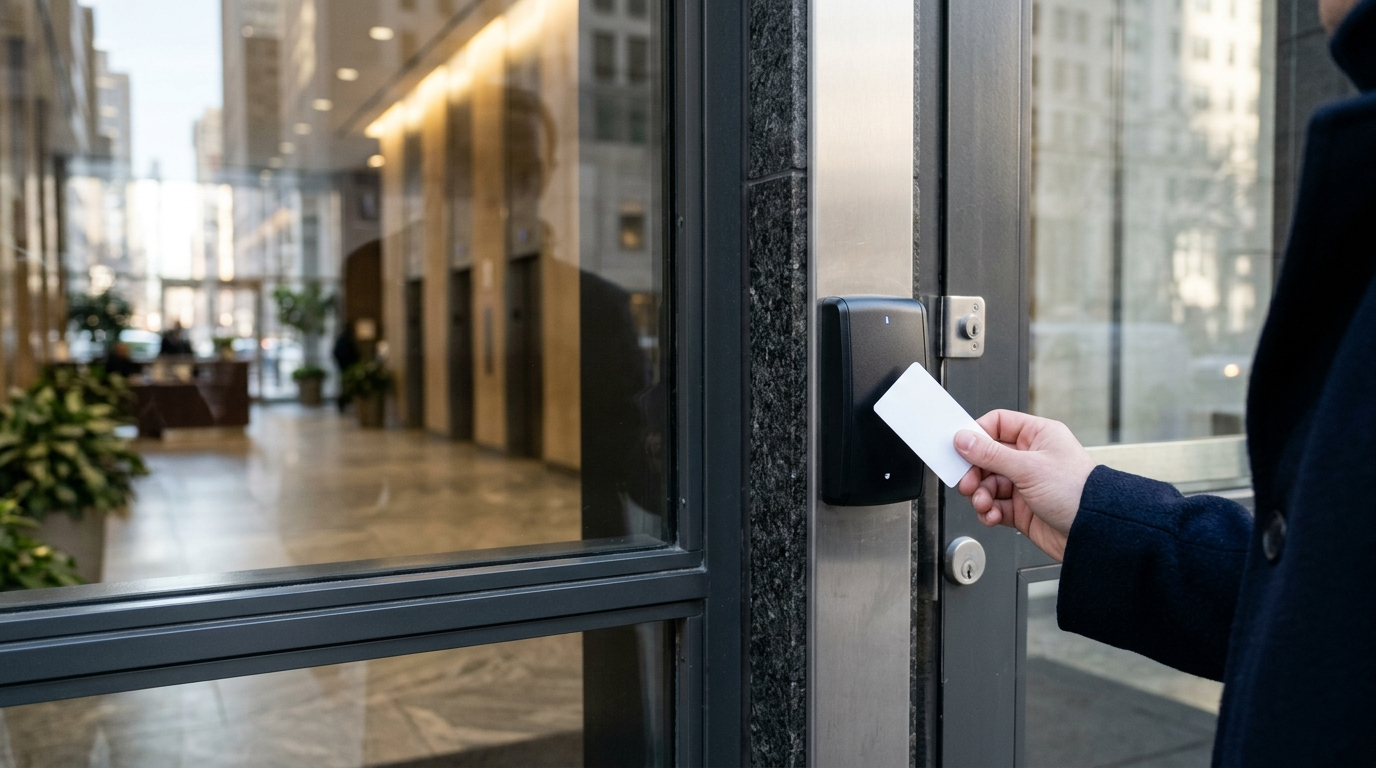
- Update building access lists and fobs
- Inspect door hardware for damage
Rekeying is the simplest way to make sure no old key can open your door, even one that was copied without your knowledge. A licensed locksmith can usually rekey your locks in a single visit, so your apartment is fully secure the same day the project wraps up.
FAQs
Should I give my contractor a key to my apartment?
Only give a key when you cannot be present, and building staff cannot provide access. Use a restricted key or temporary smart lock code when possible, record who receives it, and collect it when that contractor’s work is complete.
Is rekeying enough after a renovation, or should I replace the locks?
Rekeying is usually enough, since it makes every old key stop working while keeping your existing hardware. Replace the locks instead if they were damaged during the project or if you want to upgrade to high-security cylinders.
What is a restricted key, and why does it matter?
A restricted key uses a protected keyway that ordinary hardware stores cannot copy. Duplicates are made only through an authorized locksmith, usually with the owner’s approval, so contractors cannot create extra keys without your knowledge.
Can my doorman hold keys for contractors?
Many NYC doorman buildings will hold keys and let approved workers in during permitted hours. Ask your management office about its key policy, sign-in rules, and how staff record who enters your apartment each day.
Are smart locks a good option for contractor access?
Smart locks work well for renovations because you can create a unique code for each contractor, limit it to work hours, and delete it instantly. Many models also keep entry records, so you can see exactly who came and went.
The Bottom Line
Strong key control in NYC protects your apartment through every stage of a renovation. Limit who receives access, check your building’s rules, and use restricted keys or temporary codes that keep copies out of circulation. Track every key while the work is underway, then rekey your locks and delete codes once the final crew leaves. With a clear plan from the start, your new space stays secure the moment the project is finished.
A renovated apartment should feel like a fresh start, with no unknown keys still floating around. Alto Locksmith & Security helps New Yorkers stay in control of their homes with same-day rekeying, restricted high-security keys from Medeco, Mul-T-Lock, and Abloy, and smart lock installation built for apartment living. Our licensed, insured, and background-checked technicians serve all five boroughs 24/7, with upfront pricing and no extra charge for nights, weekends, or holidays.
Make sure your new space opens only for you. Call Alto Locksmith & Security at (917) 525-3926 to rekey your locks the day your contractor hands back the keys.