New keys to a New York City apartment rarely come with a clear history. A previous tenant, a contractor, a dog walker, or an old roommate may still hold a copy, and the same worry comes up after a lost key, or a staff change at a business. The fix is usually one of two jobs: rekeying the lock you already have or replacing it with a new one.
So, should you rekey or replace your locks in NYC?
Rekey when the lock works well and you only need old keys to stop working. Replace when the lock is worn, damaged, low-grade, or when you want an upgrade such as a high-security or smart lock. Comparing both options on cost, security, convenience, and building rules makes the right choice for rekey vs. replace locks in NYC much easier to see.
Rekey vs. Replace Locks at a Glance
Both jobs stop old keys from working, but they change different parts of the lock. This comparison shows how they differ at a glance:
| Factor | Rekey | Replace |
|---|---|---|
| What changes | Pins inside the existing cylinder | The entire lock, or the cylinder and hardware |
| Old keys | Stop working | Stop working |
| Security level | Stays the same | Can go up with better hardware |
| Typical NYC cost | $60 to $150 per lock | $115 to $340 installation plus hardware |
| Time on site | About 10 to 20 minutes per lock | About 15 to 30 minutes for a standard lock |
| Best for | Move-ins, lost keys, roommate or staff changes | Worn locks, break-ins, upgrades, smart locks |
What Each Option Means
Both jobs end with new keys in your hand, but the work behind them is different, and that difference explains most of the gap in cost and security.
Rekeying
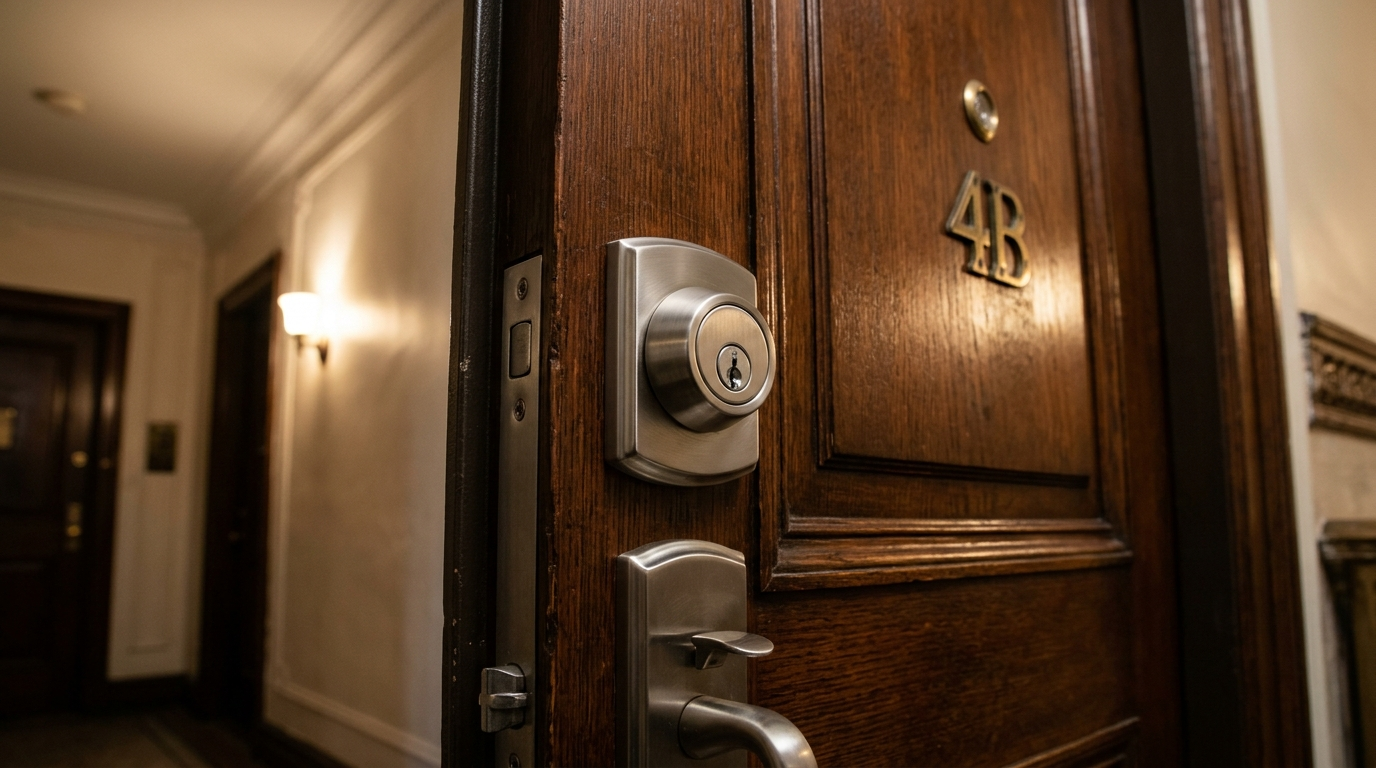
Rekeying resets the small pins inside a lock cylinder to match a new key. The lock body, handle, and deadbolt stay on the door, and every key cut for the old pin setup stops working. This makes a rekey the fix for a key problem, while the lock’s strength stays exactly where it was.
Replacing
Replacing removes the old lock and installs new hardware, often with a new deadbolt, cylinder, and strike plate. Along with new keys, it can raise the door’s security when you choose a better grade of hardware.
Replacing Only the Cylinder
Between these two sits a third path, where the cylinder that takes the key is swapped while the lock body stays in place, giving you new keys and a possible security upgrade for less than a full replacement.
Rekey vs. Replace Locks Compared (Factor by Factor)
Each factor below weighs both options side by side and names the one with the edge, and while some factors clearly favor rekeying, others favor replacement only in certain situations.
Is It Cheaper to Rekey or Replace Locks?
Rekeying is almost always cheaper because you pay for labor and new keys while keeping your existing hardware. National 2026 figures put rekeying at $50 to $100 on average, compared with an average of about $315 to replace a lock. In New York, rekeying runs $60 to $150 per lock, while replacement adds the cost of the lock itself. Hardware makes up most of that difference, and New York prices vary widely by type:
| Lock Type | NYC Hardware Cost |
|---|---|
| Standard deadbolt | $35 to $80 |
| High-security lock | $115 to $455 |
| Mortise lock | $145 to $340 |
| Smart lock | $170 to $565 |
The gap stays wide when you handle a whole home in one visit, as national 2026 figures for a home with three to four exterior doors show:
| Job | Estimated Total Cost |
|---|---|
| Rekey all locks | $150 to $400 |
| Replace all locks with standard hardware | $200 to $600 |
| Upgrade all locks to smart locks | $400 to $1,200 or more |
Time and Convenience
Rekeying is the quicker job, taking a locksmith about 10 to 20 minutes per lock compared with about 15 to 30 minutes to replace a standard lock, and longer for mortise or smart locks. It also avoids hardware shopping because the parts are already on the door, while replacement can stretch out when a specific lock has to be ordered, which happens more often with older doors and high-security brands.
Security Level
Security is where the two options differ the most, because a rekey keeps the lock exactly as strong as it was, while replacement can raise it by a wide margin. ANSI/BHMA lock grades show the size of that gap: in the cylinder impact test, a Grade 1 lock must survive 10 blows, compared with 5 for Grade 2 and 2 for Grade 3. Rekeying a Grade 3 lock simply leaves you with a Grade 3 lock and a new set of keys.
Key Control
Key control decides who can make copies of your key, and standard keys from both a rekey and a basic replacement can be copied at most hardware counters. High-security locks work differently, with restricted keys that follow strict rules. Medeco, for example, requires a valid authorization card and proper identification before an authorized dealer will duplicate keys. That level of control comes only with new high-security hardware.
Keying Several Doors Alike
Both options can get you down to a single key, though rekeying only works for this when the locks share the same brand or keyway. Replacement removes that limit, since you can buy matching locks for every door.
Hardware Condition and Lifespan
A rekey assumes the lock is healthy, and keys that catch even after lubrication, along with rust spots or broken or chipped parts, are signs that it is not. Rekeying a worn lock gives you new keys for a lock that may soon jam, while replacement resets the lock’s working life.
Smart and Keyless Options
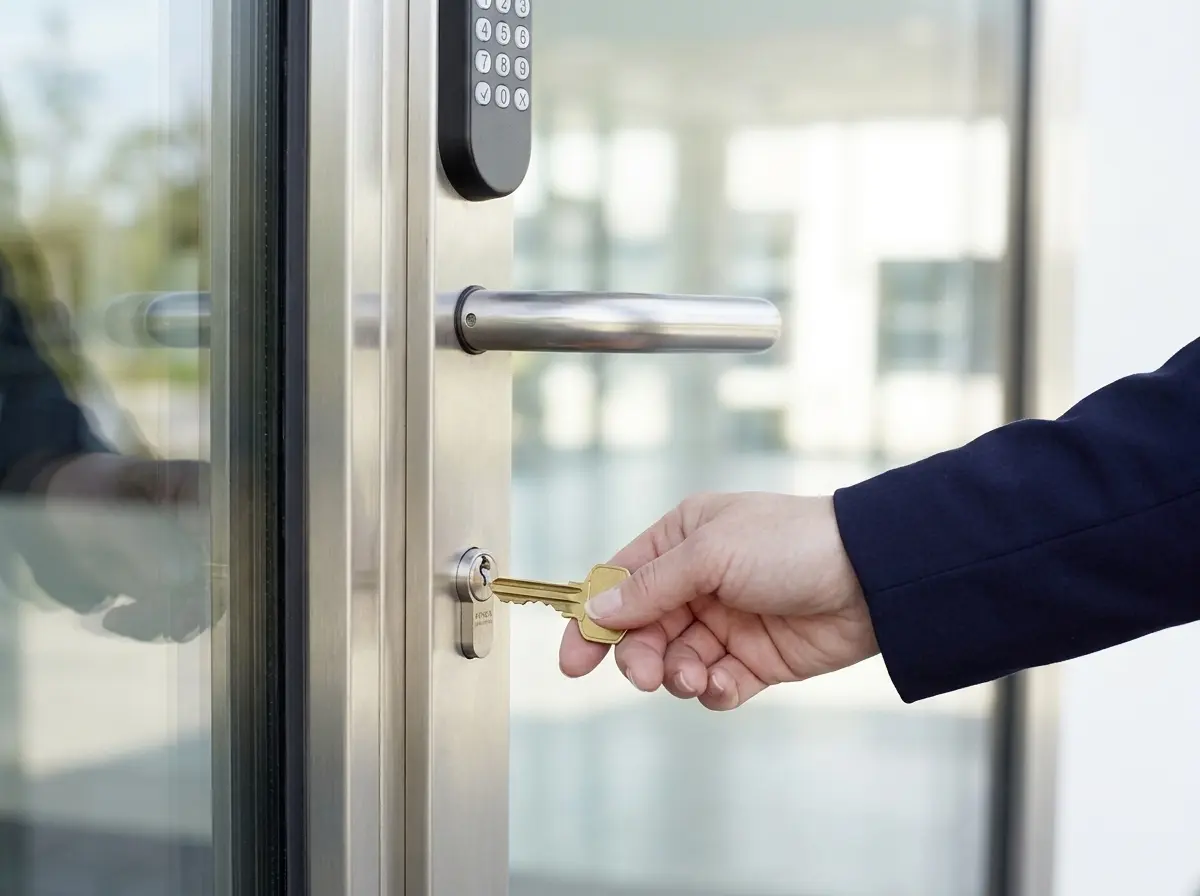
Going keyless always means replacement, because a standard cylinder cannot be converted to a keypad or app, and a smart lock installation needs new hardware. Many smart locks do keep a backup keyed cylinder, which can be rekeyed if old physical keys are still in circulation.
DIY Friendliness
Both jobs can be done at home in some cases, though the risk differs. Rekeying kits for common brands cost $10 to $25 each, but each kit fits only its own brand, and a wrong pin setup can leave you with a lock that does not open. Kwikset SmartKey locks are the easiest DIY rekey, since the process requires only the current working key and the SmartKey tool and can be repeated an unlimited number of times. Replacing a standard deadbolt on a modern door takes a screwdriver and the maker’s instructions, while mortise and high-security locks need a locksmith.
NYC Building Rules
Apartment rules affect both options in similar ways, and a few New York laws shape what tenants can do and who pays:
- The Landlord Supplies the Lock: NYC’s Housing Maintenance Code requires the owner to provide a key lock on each apartment door and at least one key. If that lock is broken or worn, report it to management before paying for a replacement yourself.
- You Can Add Your Own Lock: New York’s Multiple Dwelling Law gives tenants in most apartment buildings the right to install their own lock in addition to the landlord’s lock, as long as the landlord gets a duplicate key on request.
- You Must Share a Copy: HPD notes that a tenant who changes the locks must provide a copy of the key to the landlord.
- Your Lease May Limit Changes: Rekeying or replacing the landlord’s own lock usually depends on your lease terms, and a short email to management before the work avoids disputes later.
- The Super’s Master Key Stops Working: Once your cylinder is rekeyed or replaced, a building master key no longer opens your door, which is one reason buildings ask for a copy.
- Co-op and Condo Boards Set Their Own Rules: Many boards limit lock hardware and ask contractors for proof of insurance. Alto Locksmith & Security can provide a Certificate of Insurance for your board or management.
Rekey vs. Replace Scorecard
Putting every factor side by side shows why rekeying wins most everyday cases while replacement wins every upgrade case:
| Factor | Rekey | Replace | Edge |
|---|---|---|---|
| Cost | $60 to $150 per lock in NYC | Installation plus $35 to $565 in hardware | Rekey |
| Time on site | 10 to 20 minutes per lock | 15 to 30 minutes or more per lock | Rekey |
| Security level | Unchanged | Can rise with better grade hardware | Replace |
| Key control | Standard copying | Restricted keys with high-security locks | Replace |
| One key for all doors | Same brand or keyway only | Any door with matching new locks | Depends |
| Worn or damaged locks | Does not fix wear | Resets the lock’s life | Replace |
| Keyless upgrade | Not possible | Required | Replace |
| DIY | Easy with SmartKey | Easy with standard deadbolts | Even |
| Building approval | Usually simpler | May need landlord or board sign-off | Rekey |
Rekey or Replace Locks: Which Fits Your Situation?
The scorecard points to a simple pattern: rekey when the problem is the keys, and replace when the problem is the lock or the level of security.
When Rekeying Is the Right Call
Rekeying fits when the lock is in good shape, and the only concern is who holds a key. These situations fit that description:
- You Lost a Key: A found key tied to your address is a real risk, and rekeying cancels it without buying new hardware.
- Roommate or Partner Moved Out: Every copy they made, or gave to someone else, stops working after a lock rekeying.
- Dog Walker, Cleaner, or Contractor No Longer Needs Access: Rekeying resets access without asking for keys back.
- Your Locks Match and Work Smoothly: Matching, healthy locks can be rekeyed to one key for the lowest cost.
When Should You Replace Locks Instead of Rekeying?
Replacement fits when the hardware is the weak point or when you want more than new keys, and these are the clearest signs:
- Lock Is Worn or Sticking: Hardware that catches, rusts, or wobbles needs replacing.
- Lock Was Damaged in a Break-In: A forced cylinder, bent bolt, or cracked strike cannot be rekeyed back to full strength.
- Lock Is Grade 3 or Unknown: Upgrading to Grade 1 or Grade 2 hardware adds real resistance to force.
- You Want Copy-Proof Keys: Restricted high-security keys require new hardware.
- You Are Going Keyless: Keypad and smart locks need a full replacement.
- Your Locks Do Not Match: Mismatched brands or keyways cannot share one key without new locks.
Should You Rekey or Replace Locks After Moving In?
For most NYC move-ins, rekeying is enough, since you have no way of knowing how many copies of the old key exist, and a rekey cancels all of them for the lowest cost. Replace instead when the lock you inherited is worn, low-grade, or already failing, and check your lease before touching the landlord’s lock. Homeowners have fewer limits, and rekeying every exterior lock the week you move in is the simplest way to cancel copies held by previous owners and their contacts.
The Middle Option: Replace Only the Cylinder
Many NYC doors, especially in pre-war buildings, use mortise locks. The lock body sits inside the door and rarely wears out, while the cylinder that takes the key is a separate part. Swapping just the cylinder gives you new keys and, if you choose, better security without replacing the whole lock body.
This option works well for a high-security lock upgrade. Brands like Medeco make their top cylinders in retrofit formats that fit most popular door hardware, which means an old brass mortise lock can keep its body and gain a pick-resistant cylinder with restricted keys. Alto Locksmith & Security carries the mortise hardware that pre-war doors need, which helps avoid a multi-day wait for parts.
Rekey vs Replace for NYC Businesses
The same factors apply to offices and stores, but key turnover changes the balance. Businesses hand keys to more people, and it is suggested that businesses must rekey their locks every six months to a year, and sooner after any key goes missing.
Each option fits a different kind of business need:
- Rekeying After Staff Changes: The fastest way to cancel a former employee’s key, and the most affordable when the hardware is commercial grade and working well.
- Replacing for Code or Wear: Storefront cylinders, exit hardware, and high-traffic doors wear faster, and failing hardware needs replacement.
- Master Key Systems: A master key system gives managers one key while staff hold keys for their own areas, which makes future rekeys more organized.
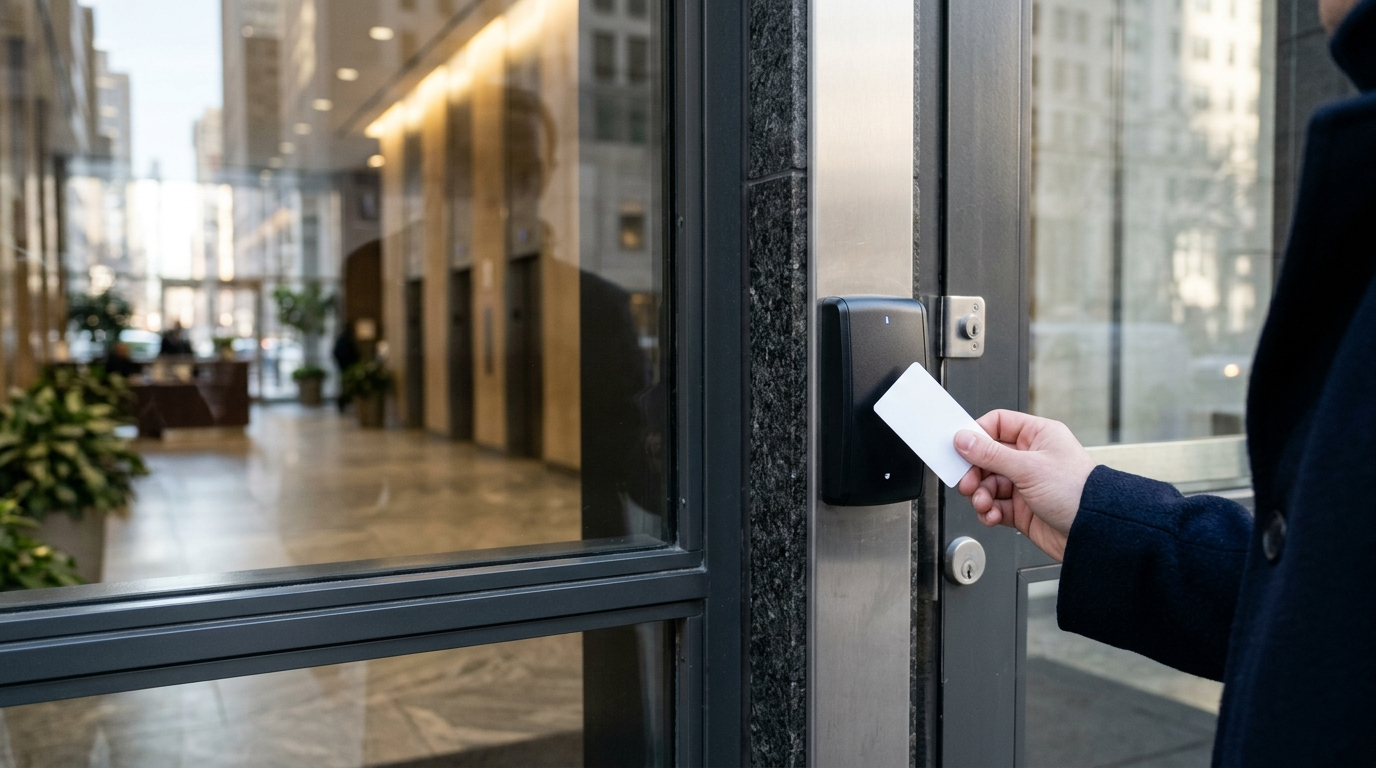
- Moving Past Keys Entirely: Offices with frequent turnover often switch to access control, where a lost card or fob can be shut off without touching the lock.
Get the Right Fix for Your Lock in NYC
Rekeying or replacing locks comes down to one question: is the problem the keys or the lock? Rekeying handles key problems quickly and at low cost, while replacing covers worn hardware, damage, and upgrades that a rekey cannot deliver.
Alto Locksmith & Security helps New Yorkers make that call on site before any work begins. The team rekeys apartment, house, and office locks the same day, often without the original key, and keys matching locks to one key where the hardware allows. When a lock needs to go, its licensed and insured technicians install new deadbolts, mortise cylinders, high-security locks from Medeco and Mul-T-Lock, and smart locks sized to your door and building rules. Business owners can book rekeys between hires, master key systems, and access control from the same team.
Need Help Choosing Between Rekeying and Replacing?
Call Alto Locksmith & Security to find out which option is right for your lock.
Call: (917) 525-3926
Frequently Asked Questions
Is it cheaper to rekey or replace locks in NYC?
Rekeying is cheaper in most cases, at $60 to $150 per lock in New York, while replacement adds hardware that ranges from $35 to $80 for a standard deadbolt to $170 to $565 for a smart lock.
How long does rekeying a lock take?
Rekeying usually takes about 10 to 20 minutes per lock. Replacing a standard lock takes about 15 to 30 minutes, and mortise or smart locks take longer.
Can a lock be rekeyed without the original key?
Yes, a locksmith can pick or decode the lock first and then rekey it, though this usually costs extra. Kwikset SmartKey locks are the exception for DIY, since the owner rekey process needs the current working key.
Can all my locks work with one key?
Yes, if the locks share the same brand or keyway. Locks with different keyways cannot be rekeyed to one key, and the mismatched locks would need replacing.
Does rekeying make a lock more secure?
Rekeying cancels old keys without changing the lock’s strength, which means a lock that was easy to pick or force before the rekey stays just as easy afterward.
How often should you rekey your locks?
It is recommended to rekey a home every 3 years and right away after a lost key, a break-in, or a change in who holds keys.
Can my landlord stop me from changing my apartment lock?
Your lease may limit changes to the landlord’s own lock. New York law still allows most tenants to add a separate lock of their own, as long as the landlord receives a duplicate key on request.