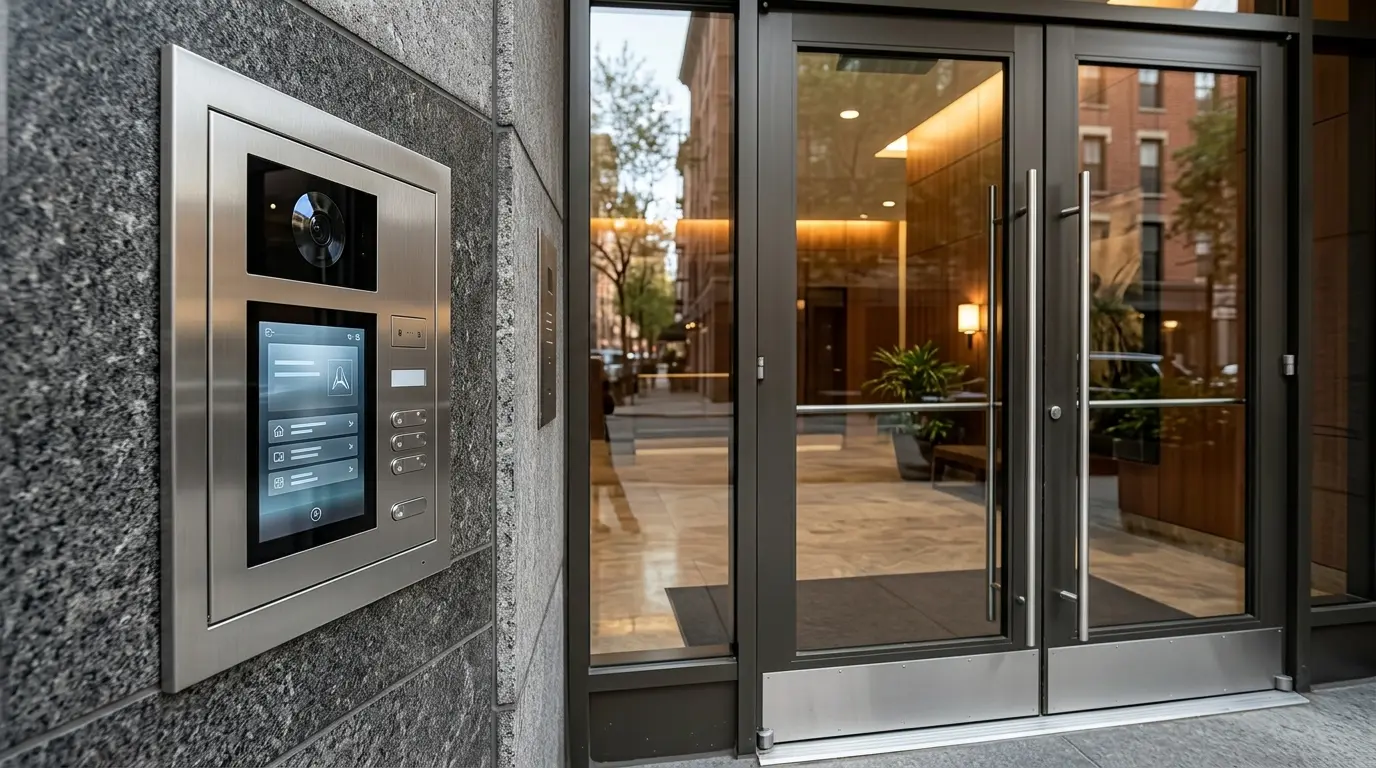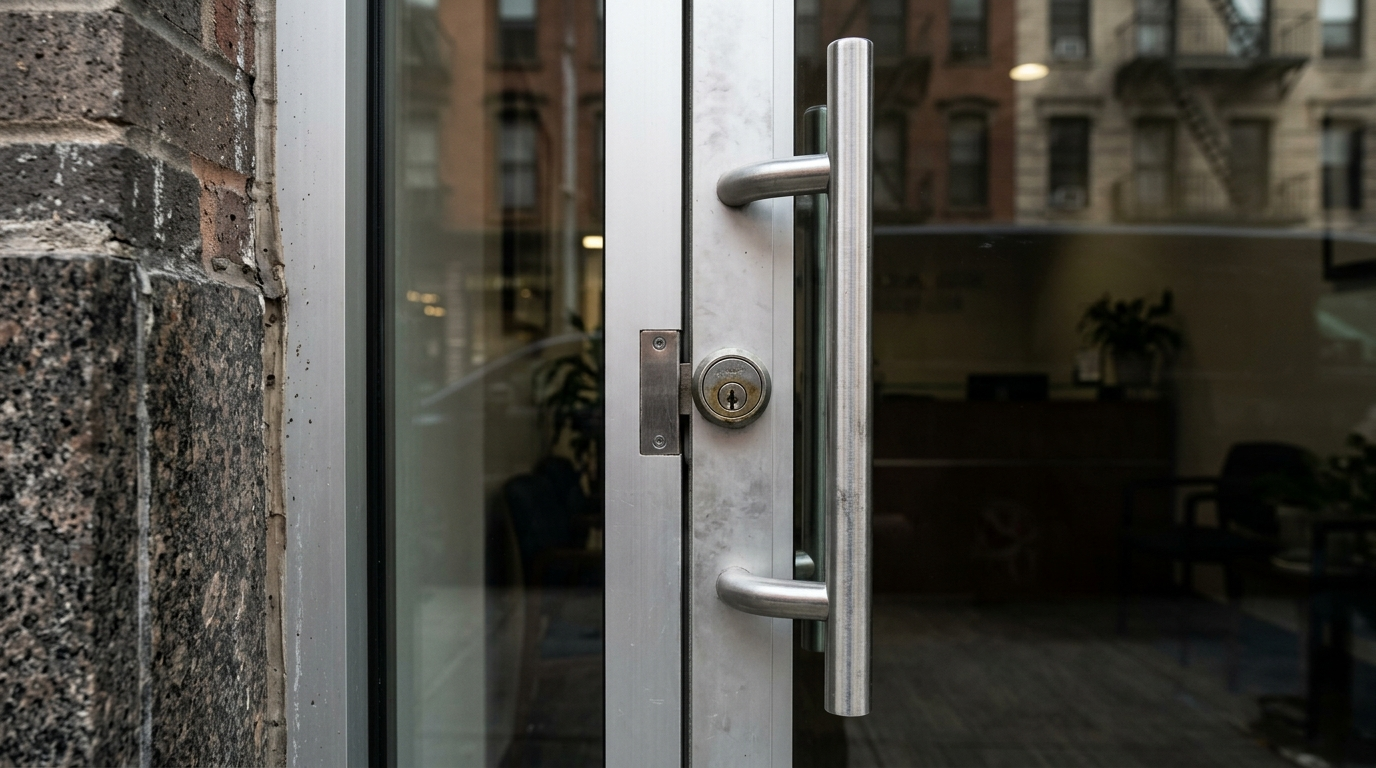
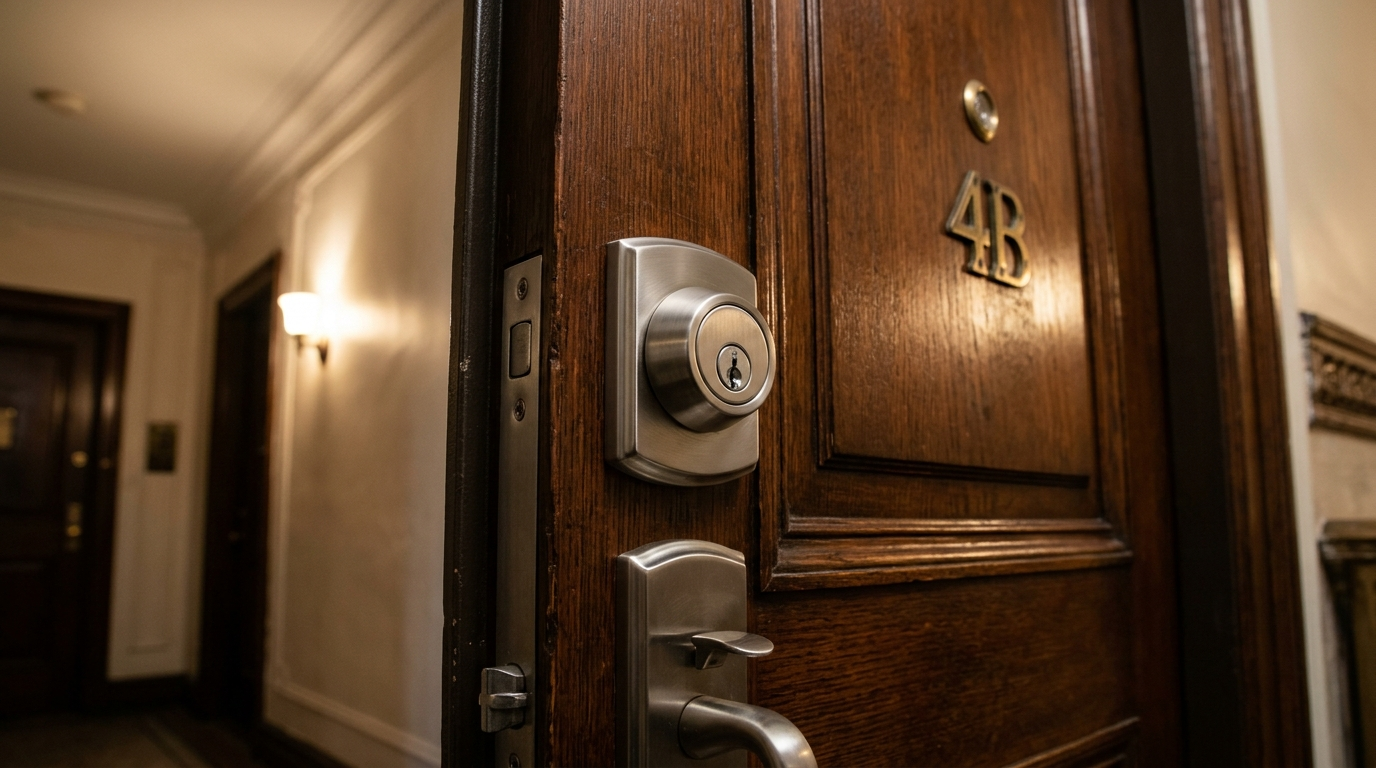
Worried your apartment door would not hold if someone tried to force it? That concern is common among New Yorkers every time they turn a thin builder-grade key. Landlords fit the cheapest lock that works, and a previous tenant or an old roommate may still have a copy. In a NYC city, a weak door is the kind most likely to be targeted so, the question is:
What are the best locks for an apartment in NYC?
Your most secure choice for most apartments is a high-security deadbolt with a restricted keyway. Next comes the standard Grade 1 deadbolt for strong everyday protection. Smart deadbolts add keyless access without reducing strength. For renters who cannot modify the door, the jimmy-proof deadbolt provides a reliable second layer. Which one fits depends on your door, your building’s rules, and whether you own or rent.
Renter’s Note:
Check your lease before changing any lock. Many NYC buildings require landlord approval and a spare key for the super, which makes an add-on lock that needs no permanent change the safer option for keeping your deposit.
1. High-Security Deadbolt With a Restricted Keyway
Top of any serious ranking is the high-security deadbolt. Unsure how many copies of your key exist, held by a former tenant, an old roommate, or a contractor who once had access? This lock resolves that concern. Its design pairs the highest residential strength with a restricted keyway, so your key cannot be duplicated at a corner hardware store. Only an authorized dealer cuts a copy, which means you control exactly who can enter.
The Features That Set It Apart
- Restricted or patented keyway: Copies only through an authorized dealer
- Pick-resistant cylinder: Security pins that defeat picking
- Drill-resistant plates: Hardened guards over the cylinder
- Bump-resistant design: Resists the lock-bumping method
- UL 437 listing: Independently tested against physical attack
Why It Leads the Ranking
No other residential lock combines this level of physical resistance with genuine key control. Standard ANSI grades rate a lock’s strength, but pick and drill resistance is measured separately under the UL 437 standard, which these high-security cylinders carry. For ground-floor units and anyone who has lost a key, no alternative matches it.
| Specification | What to look for |
|---|---|
| Key control | Restricted or patented keyway |
| Certification | UL 437 or equivalent |
| Cylinder | Pick, drill, and bump resistant |
| Grade | ANSI Grade 1 body |
| Keyless option | No |
Best for: Higher-risk ground-floor units, anyone who has lost keys, and those who want to control exactly who holds a working key.
Best building fit: Residential and commercial alike, from condos and brownstones to offices and retail back doors where key control is critical.
Keys that cannot be copied without your approval are worth installing properly. Alto Locksmith & Security fits restricted-keyway deadbolts across all five boroughs and can set up a key system only you control.
2. Grade 1 Deadbolt
Where the high-security option is more than you need, the Grade 1 deadbolt is the strongest standard choice and the lock most locksmiths recommend first. Grade 1 comes from ANSI/BHMA, the body that rates locks on how much force they withstand, and it is the highest grade in the ANSI/BHMA A156 standard. Against kicking, drilling, and prying, this lock withstands the common forced-entry methods.
What Makes a Grade 1 Bolt Hold
Every Grade 1 deadbolt earns its rating through the hardware behind the faceplate. Its one-inch throw bolt reaches deep into the frame to resist forced entry, and a hardened steel insert inside withstands a saw blade. A reinforced strike plate held by three-inch screws anchors into the stud rather than the trim, and an anti-drill cylinder stops a drill. Every part is metal, with no plastic inside the mechanism.
The Weak Point It Protects
Most break-ins start at the frame, where a weak strike plate gives way. Deep bolts anchored into the stud prevent that, which is why this lock belongs on every door opening to a shared hallway.
| Specification | What to look for |
|---|---|
| ANSI grade | Grade 1 (highest residential) |
| Bolt throw | One inch minimum |
| Strike plate | Reinforced, three-inch screws |
| Drill resistance | Hardened cylinder |
| Keyless option | No |
Best for: Anyone wanting the strongest standard protection on a main door, especially ground-floor and walk-up units.
Best building fit: Residential first, from walk-ups to co-ops and condos, and a sound choice for small commercial doors that need dependable strength.
3. Smart Deadbolt
Ranked just below the pure-security picks, the smart deadbolt earns its place on everyday convenience. Finding it awkward to manage keys with your hands full on an upper floor? This lock addresses that. Its strongest models are a motorized deadbolt at the core, not a surface attachment, and they open by code, phone, or key. Losing your keys no longer locks you out. Letting a visitor or a dog walker in while you are at work is possible from your phone.
Look Past the App
- Certified deadbolt body: An ANSI Grade 1 or Grade 2 bolt beneath the electronics
- Physical key override: A working key for a dead battery or app fault
- Auto-lock function: Secures itself so the door is never left unlocked by mistake
- Tamper and entry alerts: Notice of forced attempts or unknown codes
- Encrypted connection: Secure pairing that resists remote interference
- Long battery life: Clear warning before the power runs out
Where a Weak Model Falls Short
Convenience is real here, though the ranking depends on the deadbolt underneath. Models with plastic internals reduce the door’s strength, so the mechanical grade decides whether a smart lock ranks this high.
Best for: Renters who want keyless entry and shared access, and anyone managing guests or a busy household.
Best building fit: Residential apartments and short-term rentals, plus small offices and shared workspaces that need to grant and revoke access without cutting keys.
4. Mortise Lock
Live in a pre-war walk-up? Your door may already rank here. Mortise locks sit in a pocket cut inside the door rather than bolted to the surface, combining a latch and a deadbolt in one solid unit. This design has lasted in New York buildings for a century, and the right cylinder brings an older door up to modern standards.
Bringing an Old Door Up to Standard
Strength depends on the cylinder and body fitted into the pocket. A high-security cylinder with a restricted keyway adds key control, and a hardened deadbolt provides saw and drill resistance. Anti-pick pins defend against picking, and a reinforced strike in the frame gives the bolt a solid keeper. Built in solid brass or steel, a quality mortise lock lasts for decades.
Why Professional Fitting Is Essential
Built-in strength keeps the mortise lock competitive with modern deadbolts, though the upgrade is not a do-it-yourself swap. A locksmith fits a high-security cylinder without altering the appearance of a classic door.
| Specification | What to look for |
|---|---|
| Body | Solid brass or steel |
| Cylinder | High-security, restricted keyway |
| Resistance | Pick, drill, and saw |
| Fitting | Professional installation |
| Keyless option | No |
Best for: Residents of pre-war and older walk-up buildings with a mortise pocket already in the door.
Best building fit: Older residential buildings and pre-war walk-ups, and commercial storefronts and offices where mortise hardware is already standard.
Unsure what sits inside your pre-war door? Alto Locksmith & Security repairs and upgrades mortise locks throughout NYC and can match the right high-security cylinder to an older apartment door.
5. Keypad Lock
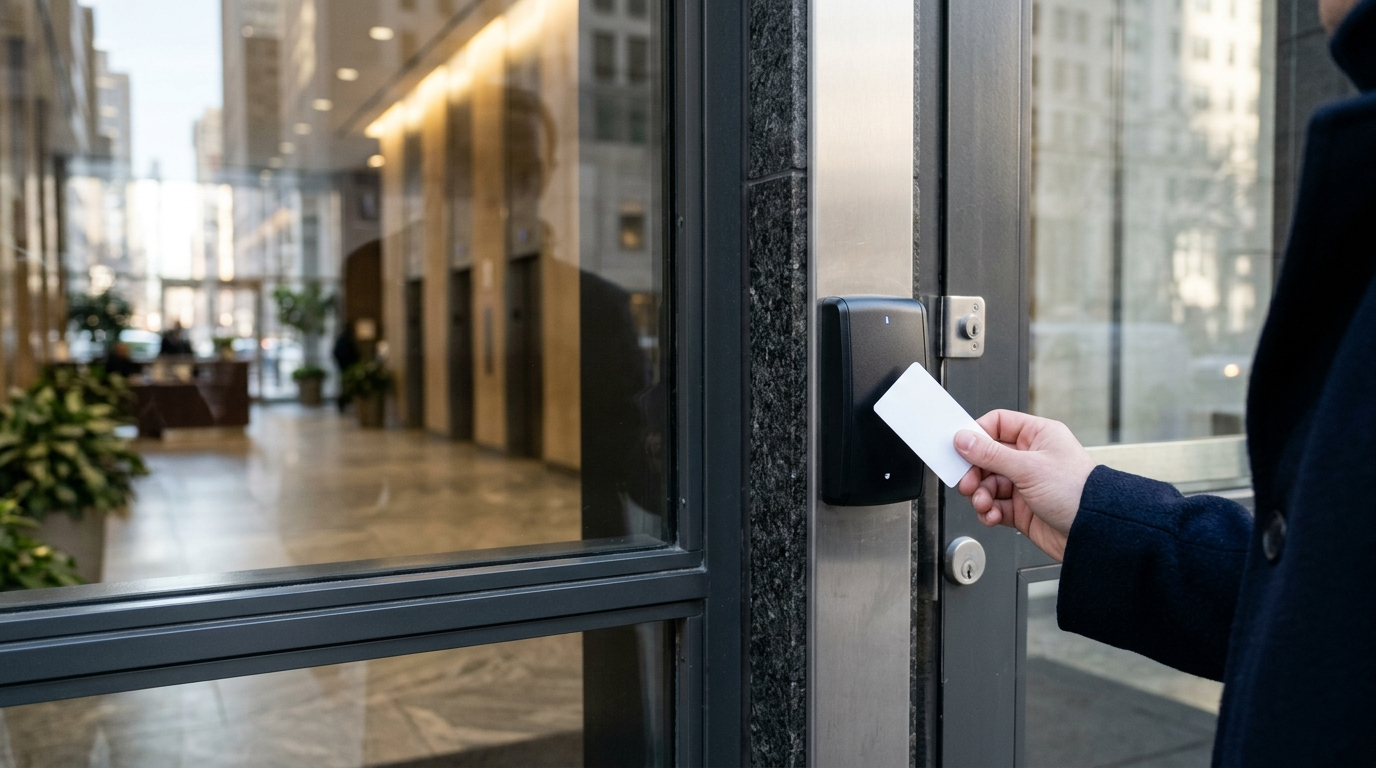
Keypad locks rank as the practical keyless choice for anyone who wants simplicity over an app. Enter a code and the door opens, with no key to lose and none to search for in a bag. When a roommate moves out or a guest leaves, you change the code in seconds rather than re-keying the lock.
What Separates a Quality Keypad Lock
Dependable keypad locks keep the convenience without reducing security. Their mechanism should be deadbolt grade rather than a spring latch, with a physical key as backup for a dead battery. Multiple user codes let roommates and guests each have their own, and a wear-resistant or scramble keypad prevents worn buttons revealing the code. An auto-lock timer re-secures the door on its own.
Strongest With a Deadbolt Behind It
Easy access keeps the keypad lock popular, though a standalone pad serves convenience first. Paired with a strong deadbolt, it provides both easy access and real security.
Best for: Shared households, anyone who prefers not to carry keys, and those who want keyless entry without a smartphone.
Best building fit: Residential share-houses and family apartments, and commercial spaces such as offices, gyms, and storerooms where staff codes change often.
6. Jimmy-Proof Deadbolt
Renting, with no permission to drill into the door? This long-standing New York lock suits that situation, which is why it still earns a place on the list. Jimmy-proof deadbolts mount onto the surface, with interlocking rings that grip the frame and resist being pried apart. Their vertical bolt is difficult to force with a tool wedged between door and jamb, the specific attack it was designed to stop.
What Makes It Pry-Resistant
- Interlocking vertical bolt: Links door and jamb against prying
- Hardened strike: A rugged keeper fixed to the frame
- Angled cylinder guard: Shields the lock face
- Solid metal housing: No plastic in the mount or body
- Reversible fit: Works on in-swinging and narrow apartment doors
Strongest as a Second Layer
Used alone, the jimmy-proof deadbolt resists drilling less than a Grade 1 deadbolt, which places it lower in the ranking. Used as a second layer that needs no door modification, few locks serve a renter as well.
| Specification | What to look for |
|---|---|
| Mount type | Surface, no door cut-out |
| Bolt style | Interlocking vertical |
| Strike | Hardened, frame-mounted |
| Housing | Solid metal |
| Keyless option | No |
Best for: Renters who want a strong second lock without modifying the door, and in-swinging or narrow apartment doors.
Best building fit: Residential rentals above all, from apartments to sublets, where a surface-mounted second lock suits a door that cannot be altered.
The Best NYC Apartment Locks Ranked at a Glance
Here is how the six compare on the factors that decide which belongs on your door.
| Rank | Lock type | Security level | Keyless | Best building fit | Rating |
|---|---|---|---|---|---|
| 1 | High-security deadbolt | Very high | No | Residential and commercial | ★★★★★ |
| 2 | Grade 1 deadbolt | Very high | No | Residential, small commercial | ★★★★★ |
| 3 | Smart deadbolt | High | Yes | Apartments, rentals, small offices | ★★★★☆ |
| 4 | Mortise lock | High | No | Pre-war residential, storefronts | ★★★★☆ |
| 5 | Keypad lock | Medium-high | Yes | Share-houses, offices, gyms | ★★★★☆ |
| 6 | Jimmy-proof deadbolt | High | No | Residential rentals | ★★★★☆ |
How to Choose the Right Lock for Your Apartment
Picking the best door lock comes down to your door, your building’s rules, and the risk you are managing. Review what the door already has and what your lease allows, then fill the gap.
- For maximum security: High-security or Grade 1 deadbolt on the main door
- For key control: Restricted-keyway deadbolt so nobody copies your key freely
- For keyless convenience: Smart deadbolt or keypad lock with a physical backup
- For a rental second layer: Jimmy-proof deadbolt that needs no door modification
Most people overlook that real security comes from layers rather than one lock. Strong primary deadbolts paired with a second lock prevent more break-in methods than any single device can on its own.
Frequently Asked Questions
What is the most secure lock for a NYC apartment?
A high-security or Grade 1 deadbolt is the most secure choice. The Grade 1 ANSI rating resists forced entry better than any other residential option, and a restricted keyway adds control over who can copy your key.
Can I change the locks in my rental apartment?
Usually, but check your lease first. Many NYC buildings require landlord approval and a copy of the key for the super. A licensed locksmith can recommend options that keep you compliant while improving security.
Are smart locks safe for apartment doors?
Yes, when the smart lock is built on a certified deadbolt body with a physical key override. The security comes from the deadbolt underneath, so avoid models with plastic internals.
Do I need more than one lock on my apartment door?
Layering helps considerably. Strong primary deadbolts paired with a second lock, such as a jimmy-proof deadbolt, prevent more break-in methods than a single lock on its own.
Which locks work for both apartments and commercial doors?
A high-security deadbolt with a restricted keyway suits both, since key control matters as much in an office or shop as in a home. Keypad and smart locks also transfer well where access needs to change often.
Final Thoughts
Your best lock for a NYC apartment is the one that fits your door, satisfies your building, and prevents the break-in methods common in the city. A high-security or Grade 1 deadbolt secures the door, a smart or keypad lock adds keyless access, and a jimmy-proof deadbolt gives renters a strong second layer without modifying the door. The safest setup nearly always pairs a dependable deadbolt with a second lock rather than relying on one.
Choosing the lock is one part of the job, and fitting it correctly is the other. Alto Locksmith & Security helps New Yorkers across all five boroughs choose, install, and maintain the right locks for their apartments and commercial doors, with round-the-clock service for lockouts and emergencies. Visit altolocksmithsecuritymanhattan.com to secure your door the right way.