A lock can work normally in the morning and refuse to open that evening. Your key may stop turning, the deadbolt may become stuck, or the cylinder may spin without releasing the door. When that happens at an apartment, office, or storefront, forcing the hardware can make the problem worse.
If your lock suddenly stops working, start by checking the key and door position without forcing either one. If you are locked out, cannot secure the property, have a broken key inside the cylinder, or the hardware has failed completely, calling a locksmith in NYC may be the safer next step.
Why Does a Lock Suddenly Stop Working?
A lock can fail because of the key, cylinder, latch, deadbolt, door alignment, internal hardware, or an electronic component.
Common problems include:
- A worn or damaged key
- A key broken inside the cylinder
- A jammed deadbolt
- Door and strike misalignment
- A loose lock cylinder
- Internal lock wear
- Damage after forced entry
- A dead smart-lock battery
- A smart-lock motor struggling against a misaligned bolt
- Dirt or debris inside the keyway
Several of these conditions can feel almost identical from the outside.
That is why the first step should be identifying what still works rather than immediately replacing the entire lock.
What Should You Do When Your Key Will Not Turn?
Start with the key.
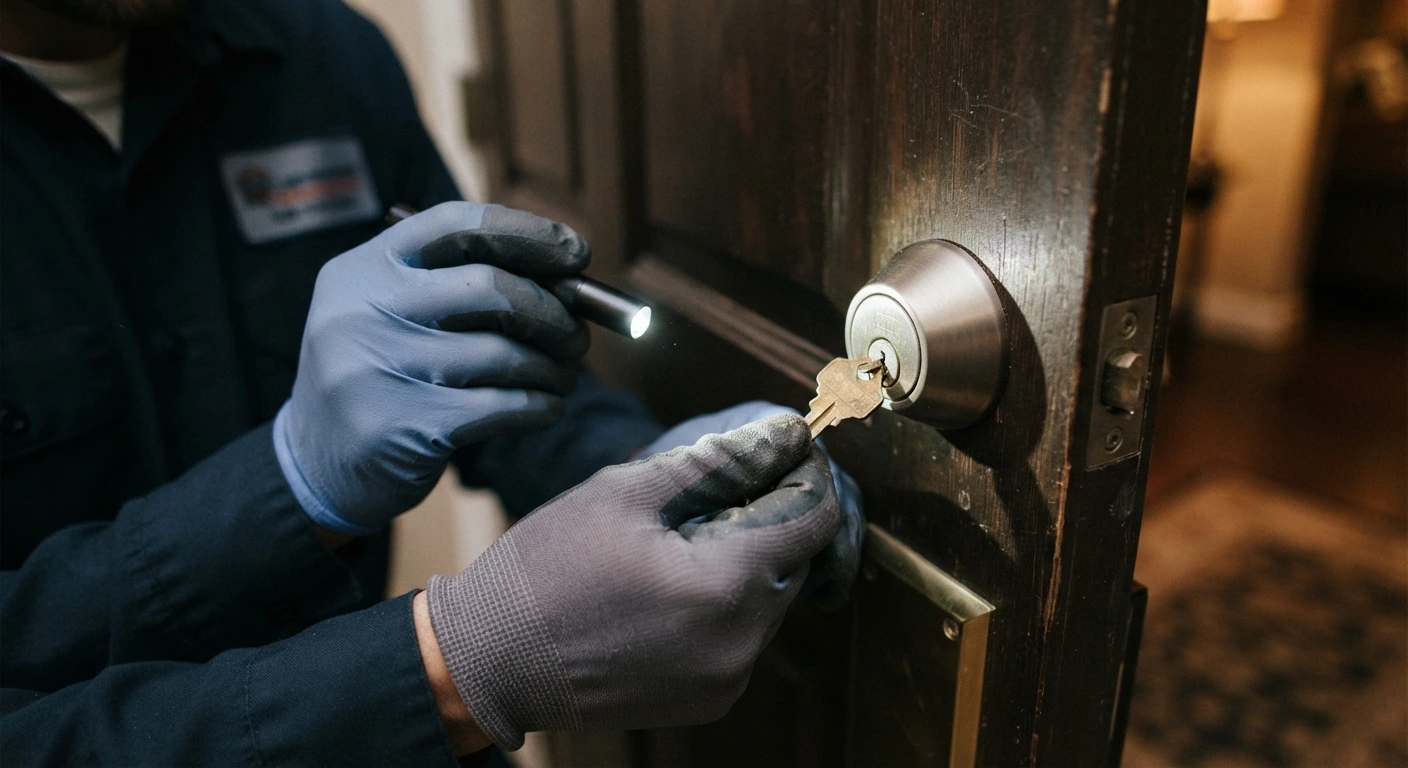
Look for bends, cracks, heavy wear, or damage around the cuts. If you have another authorized copy, try it without applying extra force.
If one key works and another does not, the worn key may be the problem.
If every key becomes difficult in the same lock, the cylinder, deadbolt, or door alignment deserves more attention.
Also notice whether the key turns when the door is open.
If the lock works with the door open but becomes difficult as soon as the door closes, the bolt may be pressing against the strike plate rather than the lock cylinder being defective.
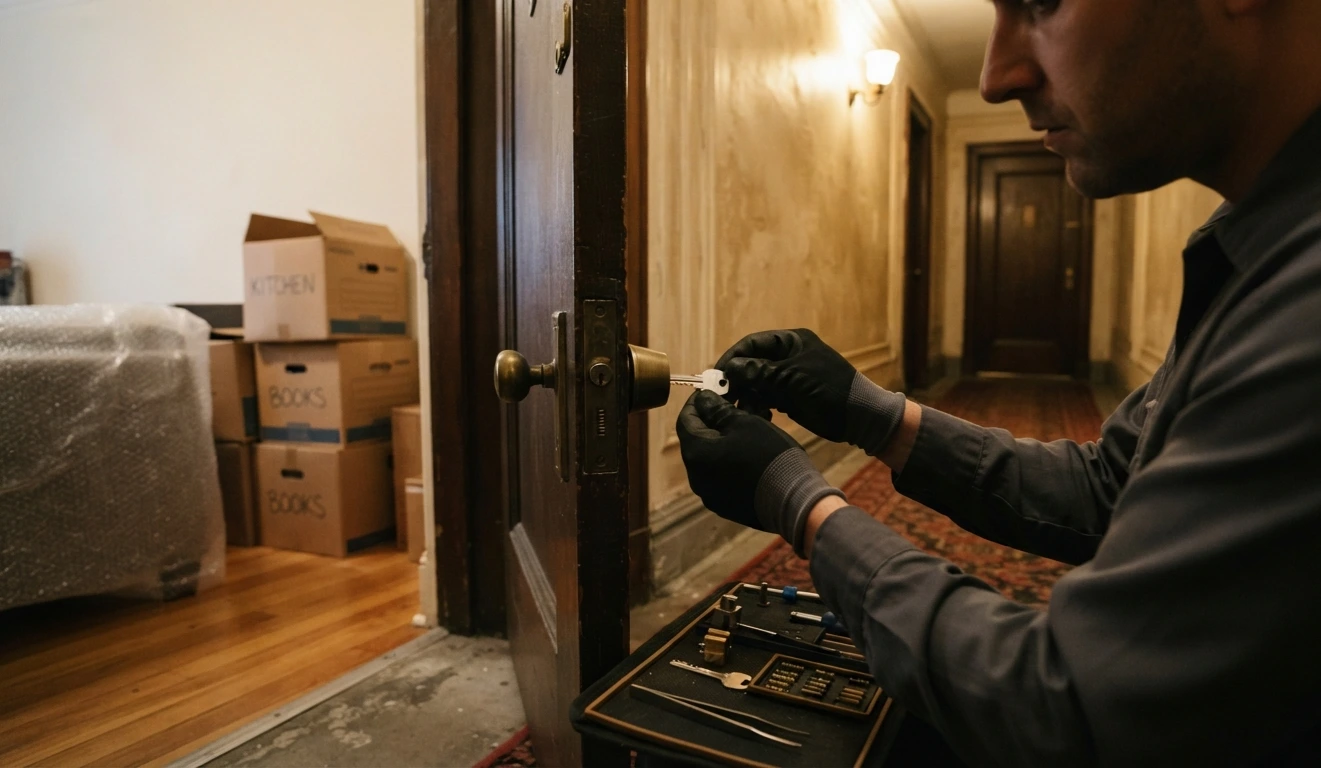
Avoid using pliers or another tool to force the key. A stiff key can become a broken key, which changes a repair into an extraction and lock problem.
What If the Deadbolt Works With the Door Open but Not Closed?
This is one of the most useful checks you can make without taking the lock apart.
Open the door and operate the deadbolt.
If it extends and retracts with little resistance, close the door and try again.
A deadbolt that becomes difficult only after the door closes often points toward alignment between the bolt and strike opening.
Doors can shift as hinges loosen, frames move, or normal use affects the opening. Even a small change can make the bolt rub against the strike.
You may notice that you need to push, pull, or lift the door while turning the key.
That workaround should not become normal.
A jammed door lock may actually require door or strike adjustment rather than replacement of the cylinder.
What Should You Do With a Broken Key Inside the Lock?
Stop trying to turn the remaining piece.
Pushing another key, screwdriver, pin, or other object into the keyway can move the broken section deeper or damage the cylinder.
A broken key also raises another question: why did it snap?
Sometimes the key itself was worn.
In other cases, the lock had already become difficult to operate, and the key broke because too much force was needed.
After the broken section is removed, the lock should still be checked to see if another key feels stiff.
Otherwise, the original problem remains.
Professional broken key extraction in NYC can address the trapped key while allowing the lock condition to be evaluated at the same visit.
What If the Lock Cylinder Spins but the Door Stays Locked?
A cylinder should operate the locking mechanism when the key turns.
If the key and cylinder rotate but the latch or deadbolt does not respond, an internal connection may have failed or loosened.
Continuing to spin the cylinder will not normally restore that connection.
This problem can occur on residential and commercial locks, including mortise-style hardware found in many older NYC buildings.
At this point, the door may require emergency lock repair because access cannot be restored through normal operation. Our prior guide covers this exact symptom in more depth.
If you are inside and the affected door is not your only exit, avoid taking the lock apart until you know how the hardware is assembled.
If you are outside and locked out, forcing the cylinder can create additional damage to the lock and door.
What Should You Do If the Lock Will Not Secure the Door?
A lock failure is more urgent when the problem prevents you from securing the property.
Maybe the key opens the door, but the deadbolt will not extend. The latch may no longer reach the strike. A storefront cylinder may turn without locking. A damaged door from an attempted break-in may no longer hold the hardware in place.
If you cannot lock the entrance, limit access to the area and move valuable items out of sight where practical.
For a business, avoid leaving the property unattended if the main entrance cannot be secured.
For a home or apartment, use another functioning entrance only if doing so does not create an egress or safety problem.
A temporary workaround should not involve adding improvised hardware that could prevent occupants from leaving during an emergency.
This is a situation where an emergency locksmith can be more appropriate than waiting for a later appointment.
How Do You Handle a Smart Lock That Suddenly Stops Working?
A smart lock can fail electronically or mechanically.
Start with the simplest possibilities.
If the keypad, app, or electronic controls have stopped responding, check the battery according to the lock manufacturer’s instructions.
A fresh battery can correct many electronic lock problems without changing the lock itself.
If the electronics appear to work but the motor struggles to move the deadbolt, test the door position.
A bolt rubbing against the strike can make an electronic motor appear weak.
If the lock operates with the door open but struggles when closed, alignment may be contributing to the problem.
Avoid repeatedly cycling a smart lock that is grinding or failing to move the bolt. The motor may be working against mechanical resistance.
Can Lubricating a Stuck Lock Fix the Problem?
Sometimes a suitable lock lubricant can help a dry or stiff cylinder, but lubrication is not a repair for every lock problem.
It will not correct:
- A broken internal component
- A bent deadbolt
- A loose cylinder
- Door misalignment
- A broken key
- Forced-entry damage
- Failed smart-lock electronics
Use only a product suitable for the particular lock and follow the hardware manufacturer’s instructions.
Avoid filling the keyway with household oils or thick products that can attract dirt and leave residue.
If the lock became difficult suddenly rather than gradually, diagnosis may be more useful than adding lubricant and continuing to force it.
Should You Repair or Replace a Lock That Stops Working?
A failed lock does not automatically need replacement.
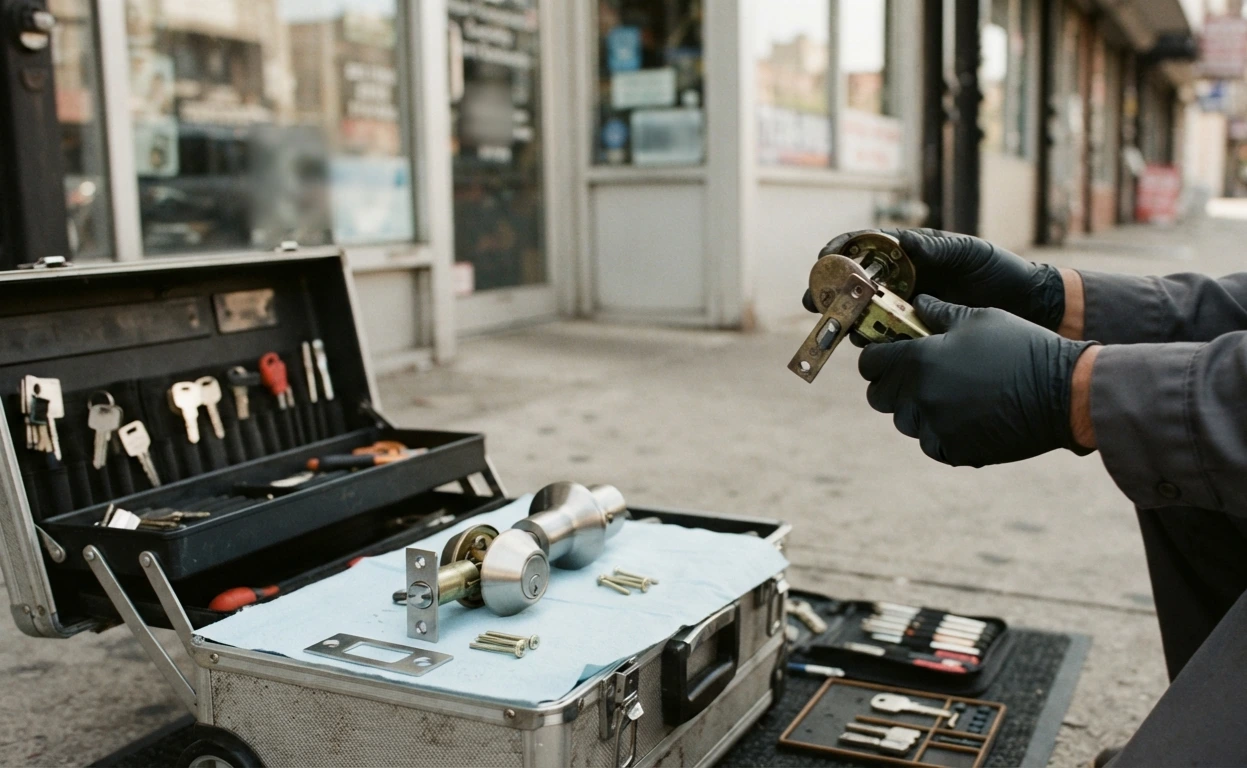
Lock repair in NYC can make sense when the hardware remains in usable condition, and the problem comes from alignment, looseness, a serviceable cylinder, latch trouble, or another correctable component.
Replacement becomes more appropriate when the lock has extensive damage, internal components are no longer practical to repair, or the hardware no longer suits the security needs of the property.
Rekeying is another option, but it solves a different problem.
Rekeying changes which key operates a functioning lock. It does not repair a broken deadbolt or damaged cylinder.
The cause should be identified before choosing between repair, replacement, and rekeying.
Does a Lock Need Replacement After a Break-In Attempt?
It depends on what was damaged.
An attempted forced entry can affect more than the lock cylinder.
The strike, frame, door material, screws, latch, deadbolt, hinges, and surrounding hardware can all receive stress.
Installing a new lock into a damaged frame does not restore the strength of the complete opening.
Inspect the full door.
Look for cracks around the strike, bent metal, loose hardware, shifted alignment, or a door that no longer closes normally.
If the lock still works after an attempted break-in, that does not prove the opening is undamaged.
A residential locksmith in NYC or commercial door-security professional can assess whether the lock can remain or whether other components need attention.
When Does a Lock Problem Become a Locksmith Emergency?
A lock problem becomes more urgent when it affects access, security, or the ability to operate an important door normally.
Consider emergency service when:
- You are locked out of your home or business.
- A broken key is trapped in the only usable entrance.
- The main entrance cannot be locked.
- The cylinder spins without operating the lock.
- The deadbolt is stuck with the door closed.
- A break-in or attempted break-in damaged the hardware.
- A commercial entrance cannot be secured before closing.
- A smart lock has failed, and there is no working backup access.
A loose interior privacy lock normally does not require the same response as an apartment entrance that will not secure.
Urgency should follow the function of the door.
Verify an Emergency Locksmith in NYC Before Work Begins
A lockout creates pressure, which can make it tempting to call the first number that appears in a search.
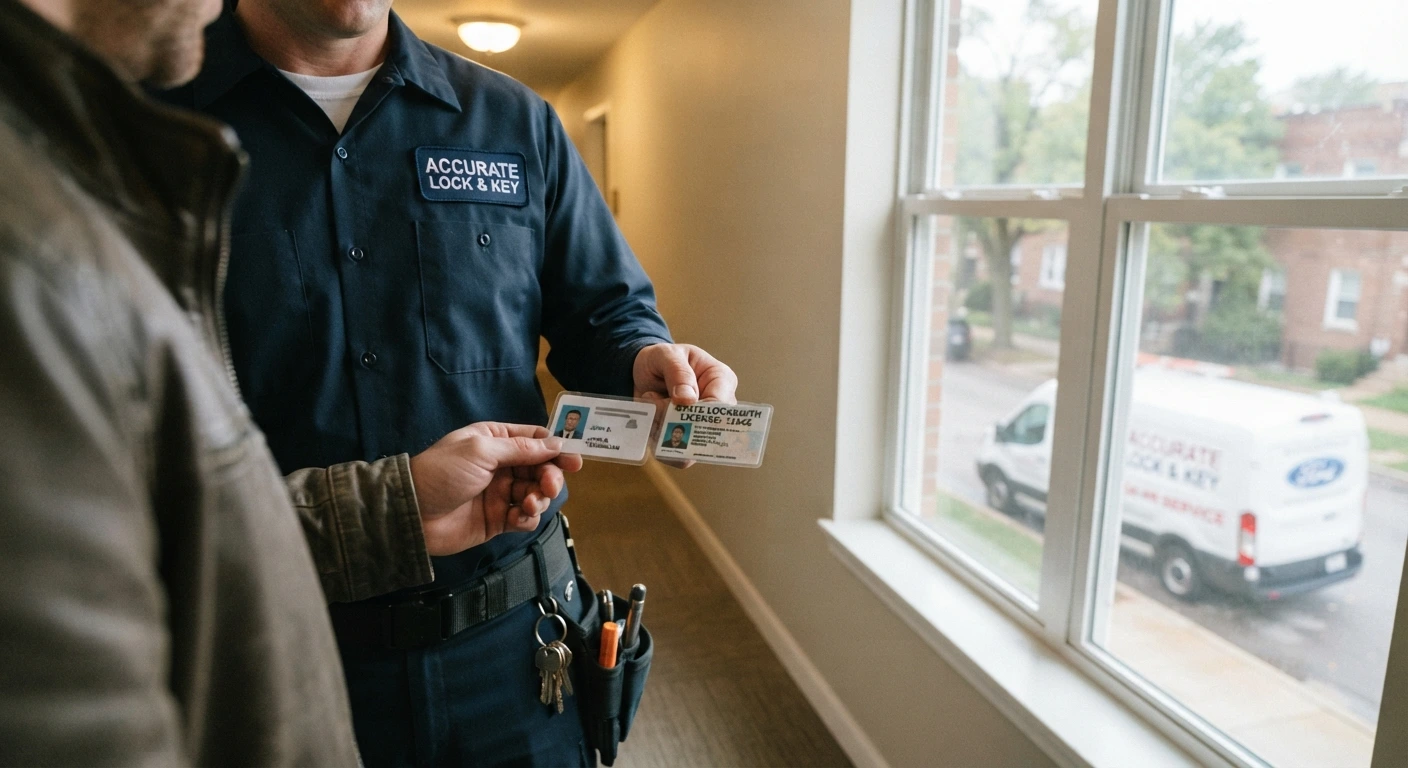
New York City regulates locksmith work through the Department of Consumer and Worker Protection. DCWP currently requires individuals performing locksmith work in NYC to hold the applicable locksmith license, and the city provides an online license-checking tool for consumers.
Before work begins, ask for the business name and the locksmith’s licensing information.
Also ask how the price will be determined.
Some locks cannot receive an exact repair quote before inspection because the internal failure is unknown. The locksmith should still be able to explain the service-call charge, expected repair range, and what conditions could change the amount.
If you have a dispute with a locksmith, NYC311 provides a process for filing complaints with DCWP.
Avoid Turning a Lock Repair Into Door Damage
When a key stops turning, or a deadbolt refuses to move, the natural response is to apply more force. That can snap the key, damage the cylinder, bend hardware, or turn a repairable alignment problem into a replacement.
Alto Locksmith & Security Manhattan provides 24/7 emergency locksmith in NYC service for residential and commercial lockouts, broken keys, jammed locks, lock repair, lock replacement, rekeying, smart-lock problems, and damaged entry hardware across the five boroughs. Its current emergency lock-repair service covers problems such as jammed deadbolts, damaged keyways, broken keys, and failed residential or commercial locks. If your lock suddenly stops working and the property cannot be opened or secured normally, contact us before forcing the hardware creates more damage.